Gatorade enters new categories — even unflavored water — as competition to hydrate consumers ramps up
Gatorade has been branching out into new categories, including unflavored water, to keep up with consumers' changing tastes and tougher competition.
Rivals like Prime Energy and Coca-Cola's Bodyarmor have put pressure on Gatorade's market share.
Year to date, Gatorade is gaining share in every hydration category it has products, according to market research firm Circana.
Trade with 70% Backtested Accuracy
Analyst Views on PEP

About PEP
About the author

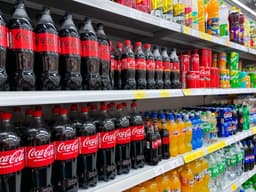
Coca-Cola Q4 2026 Earnings Preview


- Earnings Expectations: Analysts anticipate Coca-Cola's Q4 2026 revenue to reach $12.05 billion, an 8.8% increase from $11.54 billion in the same quarter last year, indicating the company's robust growth amidst ongoing market competition.
- Profitability Improvement: Expected earnings per share are projected at 56 cents, a slight increase from 55 cents year-over-year, with the company surpassing analyst estimates in nine of the last ten quarters, demonstrating consistent profitability.
- Expert Insights: Jay Woods, Chief Market Strategist at Freedom Capital Markets, notes that while Coca-Cola's stock has performed strongly at the start of 2026, its consumer staple nature may limit significant price fluctuations, urging investors to be cautious about chasing rapid gains.
- Stock Price Dynamics: Coca-Cola's stock fell 1.2% to $78.06 on Monday, remaining within its 52-week trading range, despite a 12.9% year-to-date increase, reflecting market caution regarding its future performance.
Three Major Buybacks Reflect Market Sentiment in 2026
Western Digital's Buyback Program: Western Digital has announced a $4 billion buyback program, signaling confidence in its business fundamentals despite recent stock price declines. The company has seen significant gains in its stock performance, delivering a total return of 284% in 2025.
PepsiCo's Strong Performance: PepsiCo has performed strongly in 2026, with a nearly 19% increase in its stock. The company has also announced a new $10 billion share buyback program, which represents a significant portion of its market capitalization, indicating a positive outlook for its business.
ServiceNow's Decline: ServiceNow has experienced a substantial decline in its stock price, down over 40% in recent months, making it one of the worst performers among S&P 500 stocks. Despite this, the company has shown signs of resilience with strong financials and positive earnings reports.
Market Analysts' Recommendations: Analysts are recommending five specific stocks for investors to buy now, suggesting these companies are well-positioned for growth despite broader market challenges. The recommendations come amid a general decline in stock prices for major companies, highlighting potential investment opportunities.
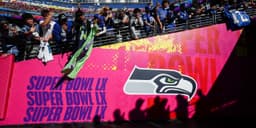
Super Bowl LX: Seahawks Defeat Patriots 29-13


- Game Outcome: On February 8, 2026, Super Bowl LX saw the Seattle Seahawks defeat the New England Patriots 29-13, with 30 of the 42 total points scored in the fourth quarter, highlighting the game's intensity and enhancing the Seahawks' brand image.
- Ad Performance: According to USA Today's Ad Meter, brands like Anheuser-Busch, Lay's, and Dunkin' resonated well with viewers again this year, indicating effective emotional and comedic messaging strategies that continue to engage audiences.
- Viewer Feedback: Some ads featuring AI tools failed to win over viewers, reflecting a limited acceptance of technology-driven advertising among consumers, suggesting that companies need to reassess their advertising strategies to improve effectiveness.
- Market Impact: The Super Bowl remains a crucial platform for brand marketing, where successful ads can significantly boost brand visibility and directly influence sales performance, prompting companies to increase their advertising budgets in future campaigns.
3 Strategies to Calm Stock Market Anxiety Ahead of Key Jobs Report

Stock Market Outlook: The Super Bowl Indicator suggests a positive year for the stock market, particularly following the Seattle Seahawks' victory.
Investor Sentiment: Even skeptics of the Super Bowl Indicator can find reasons for optimism as the market approaches a significant January jobs report.
Investor Confusion in AI Competition


- Investor Sentiment Shift: Following earnings calls from tech giants like Microsoft, Google, and Amazon, investor confusion about future directions led to Amazon losing over $300 billion in market cap, reflecting strong skepticism regarding its $200 billion AI investment plan.
- Capital Expenditure Comparison: Google announced an increase in capital expenditures to $175 billion to $185 billion, exceeding the expected $115 billion to $120 billion, indicating a proactive approach in AI despite challenges from slowing ad revenues.
- Changing Competitive Landscape: With Alphabet's ongoing investments and successes in AI, YouTube's user base has grown to 750 million, and Waymo's self-driving business is outpacing Tesla, suggesting a strengthening competitive advantage that may attract more investor interest.
- Mixed Market Reactions: Despite OpenAI and Anthropic's strong performance in AI, Microsoft's Copilot sales have been disappointing, highlighting investor concerns about its future growth and reflecting differing levels of confidence across companies.

PepsiCo Focuses on Affordable Functional Foods

- Consumer Budget Pressure: CEO Ramon Laguarta highlights that despite a strong economy, middle and lower-income consumers are still facing budget constraints, particularly in discretionary categories, prompting the company to strategically adjust product pricing to maintain consumer loyalty.
- Functional Food Innovation: PepsiCo is introducing more functional and high-density foods to meet consumer demands for health and nutrition, particularly with the launch of artificial-free products like the Naked line, aimed at attracting ingredient-sensitive consumers and expanding market share.
- Pricing Adjustment Strategy: The company has conducted a six-month price testing across multiple U.S. markets, aiming to boost sales through moderate price reductions, especially on brands like Doritos, with plans for flexible adjustments based on market feedback to ensure affordability for consumers.
- Brand Investment and Growth: PepsiCo plans to make targeted investments to help consumers afford its products at both the beginning and end of the month, expecting this strategy to drive brand growth and reflect a positive trend in its overall food business, showcasing the company's keen insight into market demands.
Coca-Cola Q4 2026 Earnings Preview
- Earnings Expectations: Analysts anticipate Coca-Cola's Q4 2026 revenue to reach $12.05 billion, an 8.8% increase from $11.54 billion in the same quarter last year, indicating the company's robust growth amidst ongoing market competition.
- Profitability Improvement: Expected earnings per share are projected at 56 cents, a slight increase from 55 cents year-over-year, with the company surpassing analyst estimates in nine of the last ten quarters, demonstrating consistent profitability.
- Expert Insights: Jay Woods, Chief Market Strategist at Freedom Capital Markets, notes that while Coca-Cola's stock has performed strongly at the start of 2026, its consumer staple nature may limit significant price fluctuations, urging investors to be cautious about chasing rapid gains.
- Stock Price Dynamics: Coca-Cola's stock fell 1.2% to $78.06 on Monday, remaining within its 52-week trading range, despite a 12.9% year-to-date increase, reflecting market caution regarding its future performance.
Three Major Buybacks Reflect Market Sentiment in 2026
Western Digital's Buyback Program: Western Digital has announced a $4 billion buyback program, signaling confidence in its business fundamentals despite recent stock price declines. The company has seen significant gains in its stock performance, delivering a total return of 284% in 2025.
PepsiCo's Strong Performance: PepsiCo has performed strongly in 2026, with a nearly 19% increase in its stock. The company has also announced a new $10 billion share buyback program, which represents a significant portion of its market capitalization, indicating a positive outlook for its business.
ServiceNow's Decline: ServiceNow has experienced a substantial decline in its stock price, down over 40% in recent months, making it one of the worst performers among S&P 500 stocks. Despite this, the company has shown signs of resilience with strong financials and positive earnings reports.
Market Analysts' Recommendations: Analysts are recommending five specific stocks for investors to buy now, suggesting these companies are well-positioned for growth despite broader market challenges. The recommendations come amid a general decline in stock prices for major companies, highlighting potential investment opportunities.
Super Bowl LX: Seahawks Defeat Patriots 29-13
- Game Outcome: On February 8, 2026, Super Bowl LX saw the Seattle Seahawks defeat the New England Patriots 29-13, with 30 of the 42 total points scored in the fourth quarter, highlighting the game's intensity and enhancing the Seahawks' brand image.
- Ad Performance: According to USA Today's Ad Meter, brands like Anheuser-Busch, Lay's, and Dunkin' resonated well with viewers again this year, indicating effective emotional and comedic messaging strategies that continue to engage audiences.
- Viewer Feedback: Some ads featuring AI tools failed to win over viewers, reflecting a limited acceptance of technology-driven advertising among consumers, suggesting that companies need to reassess their advertising strategies to improve effectiveness.
- Market Impact: The Super Bowl remains a crucial platform for brand marketing, where successful ads can significantly boost brand visibility and directly influence sales performance, prompting companies to increase their advertising budgets in future campaigns.
3 Strategies to Calm Stock Market Anxiety Ahead of Key Jobs Report
Stock Market Outlook: The Super Bowl Indicator suggests a positive year for the stock market, particularly following the Seattle Seahawks' victory.
Investor Sentiment: Even skeptics of the Super Bowl Indicator can find reasons for optimism as the market approaches a significant January jobs report.
Investor Confusion in AI Competition
- Investor Sentiment Shift: Following earnings calls from tech giants like Microsoft, Google, and Amazon, investor confusion about future directions led to Amazon losing over $300 billion in market cap, reflecting strong skepticism regarding its $200 billion AI investment plan.
- Capital Expenditure Comparison: Google announced an increase in capital expenditures to $175 billion to $185 billion, exceeding the expected $115 billion to $120 billion, indicating a proactive approach in AI despite challenges from slowing ad revenues.
- Changing Competitive Landscape: With Alphabet's ongoing investments and successes in AI, YouTube's user base has grown to 750 million, and Waymo's self-driving business is outpacing Tesla, suggesting a strengthening competitive advantage that may attract more investor interest.
- Mixed Market Reactions: Despite OpenAI and Anthropic's strong performance in AI, Microsoft's Copilot sales have been disappointing, highlighting investor concerns about its future growth and reflecting differing levels of confidence across companies.
PepsiCo Focuses on Affordable Functional Foods
- Consumer Budget Pressure: CEO Ramon Laguarta highlights that despite a strong economy, middle and lower-income consumers are still facing budget constraints, particularly in discretionary categories, prompting the company to strategically adjust product pricing to maintain consumer loyalty.
- Functional Food Innovation: PepsiCo is introducing more functional and high-density foods to meet consumer demands for health and nutrition, particularly with the launch of artificial-free products like the Naked line, aimed at attracting ingredient-sensitive consumers and expanding market share.
- Pricing Adjustment Strategy: The company has conducted a six-month price testing across multiple U.S. markets, aiming to boost sales through moderate price reductions, especially on brands like Doritos, with plans for flexible adjustments based on market feedback to ensure affordability for consumers.
- Brand Investment and Growth: PepsiCo plans to make targeted investments to help consumers afford its products at both the beginning and end of the month, expecting this strategy to drive brand growth and reflect a positive trend in its overall food business, showcasing the company's keen insight into market demands.