Emergency Care Holdings Completes Acquisition of Philips Emergency Care Business
Emergency Care Holdings announced the completion of its acquisition of the Philips Emergency Care business from Koninklijke Philips (PHG). The business will operate as Heartstream and continue to market select products under a Philips brand license. The acquisition represents the launch of ECH's global platform strategy focused on building a leading portfolio of emergency medical technology companies serving the pre-hospital care market. Headquartered in Bothell, Washington, the business operates in more than 130 countries, supported by about 480 distribution partners, and maintains an installed base exceeding three million automated external defibrillators and advanced life support devices worldwide. It employs more than 600 people globally and is widely recognized for its strong brand equity, clinical credibility and long-standing customer relationships.
Trade with 70% Backtested Accuracy
Analyst Views on PHG
About PHG
About the author


Philips Leads Research Consortium for Precision Cancer Treatment

- Funding Support: The Philips-coordinated PreciseOnco consortium has secured €23.9 million from the EU's Innovative Health Initiative, including €14.9 million in public funding, aimed at enhancing precision and safety in minimally invasive cancer treatments through advanced imaging and robotic technologies.
- Clinical Research Program: The initiative will conduct five clinical studies across various cancer types to validate the effectiveness of new technologies, setting new benchmarks for safety and efficiency in minimally invasive cancer care, which is expected to significantly improve patient outcomes.
- Innovative Technology Integration: By combining spectral imaging, AI, and robotic guidance, PreciseOnco aims to develop a suite of integrated technologies that enhance physicians' precision and confidence in tumor treatment, thereby optimizing hospital resource utilization.
- Public-Private Collaboration: This project unites experts from industry, research organizations, and medical societies, highlighting the critical role of public-private partnerships in advancing healthcare innovation, and is expected to extend access to advanced minimally invasive treatment options for a larger patient population.
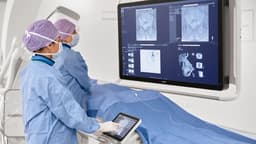
Philips Launches Precision Oncology Research Initiative
- Funding Support: The Philips-coordinated PreciseOnco consortium has secured €14.9 million in funding from the EU's Innovative Health Initiative, complemented by €9 million in industry contributions, to advance a five-year research program aimed at enhancing the safety and efficiency of minimally invasive cancer treatments.
- Clinical Research Agenda: The initiative will conduct five clinical studies across various cancer types, evaluating the application of spectral imaging and robotic guidance technologies in tumor treatment, which is expected to provide advanced minimally invasive treatment options for European cancer centers to meet the rising demand for cancer care.
- Innovative Technology Integration: By combining spectral imaging, AI, and robotic technologies, PreciseOnco aims to improve physicians' precision and confidence in minimally invasive procedures, thereby enhancing patient outcomes and optimizing hospital resource utilization, driving technological advancements in the healthcare sector.
- Public-Private Partnership Model: This project unites experts from industry, research organizations, and medical societies, highlighting the significance of public-private partnerships in advancing healthcare innovation, with Philips aiming to establish a sustainable ecosystem to address the global cancer burden challenges.

Philips Awarded Global Leadership in Digital Pathology Innovation
- Market Leadership: Philips has been awarded the 2025 Global Enabling Technology Leadership Recognition for its achievements in digital pathology and healthcare informatics, highlighting its strong influence in the global market and customer-centric innovation capabilities.
- Patent Application Leadership: Leading the global healthcare industry in patent applications, Philips demonstrates its innovative capacity in the rapidly growing field of digital pathology, further solidifying its market leadership.
- Enhanced Customer Experience: With over 3,500 pathologists across more than 40 countries utilizing Philips' digital pathology platform and over 38 million slides scanned globally, the company has established one of the largest clinically validated user bases in the industry.
- Strategic Investment and Innovation: Philips' ongoing investments in digital pathology and AI-driven informatics modernize workflows and enhance diagnostic efficiency, showcasing its adaptability and leadership in a rapidly evolving diagnostic ecosystem.
Philips Awarded for Leadership in Digital Pathology Innovation
- Industry Leadership: Philips has been awarded the 2025 Global Enabling Technology Leadership Recognition for its achievements in digital pathology and healthcare informatics, highlighting its leadership in the global market and customer-centric innovation capabilities.
- Patent Application Leader: Philips leads the global healthcare sector in patent applications, indicating its innovative capacity in the rapidly growing field of digital pathology, which further solidifies its competitive market position.
- Enhanced Customer Experience: With over 3,500 pathologists across more than 40 countries utilizing Philips' digital pathology platform and over 38 million slides scanned globally, the company has established one of the largest clinically validated bases in the industry, ensuring high system uptime and seamless scalability.
- Strategic Investment and Innovation: Through sustained investments in digital pathology and AI-driven informatics, Philips demonstrates a strong ability to adapt and lead in a rapidly evolving diagnostic ecosystem, driving transformation in modern healthcare.

Royal Philips Named a Top 100 Global Innovator for 2026, Investing €1.7 Billion in R&D

- Global Innovator Recognition: Royal Philips has been named a Clarivate Top 100 Global Innovator for the 13th consecutive year, marking it as the highest-ranking medical technology company and underscoring its leadership in healthcare innovation.
- R&D Investment Scale: The company invests over €1.7 billion annually in R&D, which is approximately 9% of its sales, reflecting an industry-leading commitment that supports its ongoing innovation and market competitiveness.
- Examples of Technological Innovation: Philips has launched the Verida spectral CT system, the world's first detector-based spectral CT that integrates AI technology to enhance imaging accuracy, aiding healthcare professionals in better diagnostics.
- Sustainable Technology Application: Since 2018, Philips' helium-free MRI magnet technology has been installed in over 2,000 units globally, saving six million liters of liquid helium, thereby helping hospitals reduce the need for helium refills and vent pipes, demonstrating its commitment to sustainability.
Heartstream Launches as First Company of Emergency Care Holdings to Enhance Cardiac Arrest Survival Rates
- Company Formation: Heartstream officially launches as the first independent company of Emergency Care Holdings, aiming to enhance cardiac arrest survival rates through innovative technologies, marking a strategic move in the emergency medical sector.
- Acquisition Completed: By acquiring the Philips Emergency Care business, Heartstream inherits over a century of cardiac monitoring history and 40 years of defibrillator solutions experience, strengthening its competitive position in the market.
- Technological Innovation: Heartstream will continue to offer emergency care products, including HeartStart AEDs and Tempus monitoring systems, focusing on enhancing accessibility to emergency services through modern digital solutions and improved customer support.
- Market Expansion Plans: The company aims to increase AED accessibility in public spaces and homes while enhancing global operations and supply chain resilience through partnerships with strategic distributors to address the urgent public health challenge of cardiac arrest.
Philips Leads Research Consortium for Precision Cancer Treatment
- Funding Support: The Philips-coordinated PreciseOnco consortium has secured €23.9 million from the EU's Innovative Health Initiative, including €14.9 million in public funding, aimed at enhancing precision and safety in minimally invasive cancer treatments through advanced imaging and robotic technologies.
- Clinical Research Program: The initiative will conduct five clinical studies across various cancer types to validate the effectiveness of new technologies, setting new benchmarks for safety and efficiency in minimally invasive cancer care, which is expected to significantly improve patient outcomes.
- Innovative Technology Integration: By combining spectral imaging, AI, and robotic guidance, PreciseOnco aims to develop a suite of integrated technologies that enhance physicians' precision and confidence in tumor treatment, thereby optimizing hospital resource utilization.
- Public-Private Collaboration: This project unites experts from industry, research organizations, and medical societies, highlighting the critical role of public-private partnerships in advancing healthcare innovation, and is expected to extend access to advanced minimally invasive treatment options for a larger patient population.
Philips Launches Precision Oncology Research Initiative
- Funding Support: The Philips-coordinated PreciseOnco consortium has secured €14.9 million in funding from the EU's Innovative Health Initiative, complemented by €9 million in industry contributions, to advance a five-year research program aimed at enhancing the safety and efficiency of minimally invasive cancer treatments.
- Clinical Research Agenda: The initiative will conduct five clinical studies across various cancer types, evaluating the application of spectral imaging and robotic guidance technologies in tumor treatment, which is expected to provide advanced minimally invasive treatment options for European cancer centers to meet the rising demand for cancer care.
- Innovative Technology Integration: By combining spectral imaging, AI, and robotic technologies, PreciseOnco aims to improve physicians' precision and confidence in minimally invasive procedures, thereby enhancing patient outcomes and optimizing hospital resource utilization, driving technological advancements in the healthcare sector.
- Public-Private Partnership Model: This project unites experts from industry, research organizations, and medical societies, highlighting the significance of public-private partnerships in advancing healthcare innovation, with Philips aiming to establish a sustainable ecosystem to address the global cancer burden challenges.
Philips Awarded Global Leadership in Digital Pathology Innovation
- Market Leadership: Philips has been awarded the 2025 Global Enabling Technology Leadership Recognition for its achievements in digital pathology and healthcare informatics, highlighting its strong influence in the global market and customer-centric innovation capabilities.
- Patent Application Leadership: Leading the global healthcare industry in patent applications, Philips demonstrates its innovative capacity in the rapidly growing field of digital pathology, further solidifying its market leadership.
- Enhanced Customer Experience: With over 3,500 pathologists across more than 40 countries utilizing Philips' digital pathology platform and over 38 million slides scanned globally, the company has established one of the largest clinically validated user bases in the industry.
- Strategic Investment and Innovation: Philips' ongoing investments in digital pathology and AI-driven informatics modernize workflows and enhance diagnostic efficiency, showcasing its adaptability and leadership in a rapidly evolving diagnostic ecosystem.
Philips Awarded for Leadership in Digital Pathology Innovation
- Industry Leadership: Philips has been awarded the 2025 Global Enabling Technology Leadership Recognition for its achievements in digital pathology and healthcare informatics, highlighting its leadership in the global market and customer-centric innovation capabilities.
- Patent Application Leader: Philips leads the global healthcare sector in patent applications, indicating its innovative capacity in the rapidly growing field of digital pathology, which further solidifies its competitive market position.
- Enhanced Customer Experience: With over 3,500 pathologists across more than 40 countries utilizing Philips' digital pathology platform and over 38 million slides scanned globally, the company has established one of the largest clinically validated bases in the industry, ensuring high system uptime and seamless scalability.
- Strategic Investment and Innovation: Through sustained investments in digital pathology and AI-driven informatics, Philips demonstrates a strong ability to adapt and lead in a rapidly evolving diagnostic ecosystem, driving transformation in modern healthcare.
Royal Philips Named a Top 100 Global Innovator for 2026, Investing €1.7 Billion in R&D
- Global Innovator Recognition: Royal Philips has been named a Clarivate Top 100 Global Innovator for the 13th consecutive year, marking it as the highest-ranking medical technology company and underscoring its leadership in healthcare innovation.
- R&D Investment Scale: The company invests over €1.7 billion annually in R&D, which is approximately 9% of its sales, reflecting an industry-leading commitment that supports its ongoing innovation and market competitiveness.
- Examples of Technological Innovation: Philips has launched the Verida spectral CT system, the world's first detector-based spectral CT that integrates AI technology to enhance imaging accuracy, aiding healthcare professionals in better diagnostics.
- Sustainable Technology Application: Since 2018, Philips' helium-free MRI magnet technology has been installed in over 2,000 units globally, saving six million liters of liquid helium, thereby helping hospitals reduce the need for helium refills and vent pipes, demonstrating its commitment to sustainability.
Heartstream Launches as First Company of Emergency Care Holdings to Enhance Cardiac Arrest Survival Rates
- Company Formation: Heartstream officially launches as the first independent company of Emergency Care Holdings, aiming to enhance cardiac arrest survival rates through innovative technologies, marking a strategic move in the emergency medical sector.
- Acquisition Completed: By acquiring the Philips Emergency Care business, Heartstream inherits over a century of cardiac monitoring history and 40 years of defibrillator solutions experience, strengthening its competitive position in the market.
- Technological Innovation: Heartstream will continue to offer emergency care products, including HeartStart AEDs and Tempus monitoring systems, focusing on enhancing accessibility to emergency services through modern digital solutions and improved customer support.
- Market Expansion Plans: The company aims to increase AED accessibility in public spaces and homes while enhancing global operations and supply chain resilience through partnerships with strategic distributors to address the urgent public health challenge of cardiac arrest.