DaVita (DVA) Q1 2025 Earnings Call Transcript
Written by Emily J. Thompson, Senior Investment Analyst
Updated: 4d ago
0mins
Should l Buy DVA?
Source: NASDAQ.COM
Trade with 70% Backtested Accuracy
Stop guessing "Should I Buy DVA?" and start using high-conviction signals backed by rigorous historical data.
Sign up today to access powerful investing tools and make smarter, data-driven decisions.
Analyst Views on DVA
Wall Street analysts forecast DVA stock price to fall over the next 12 months. According to Wall Street analysts, the average 1-year price target for DVA is 136.50 USD with a low forecast of 130.00 USD and a high forecast of 143.00 USD. However, analyst price targets are subjective and often lag stock prices, so investors should focus on the objective reasons behind analyst rating changes, which better reflect the company's fundamentals.
4 Analyst Rating
0 Buy
3 Hold
1 Sell
Hold
Current: 149.220

Low
130.00
Averages
136.50
High
143.00
Current: 149.220
Low
130.00
Averages
136.50
High
143.00
About DVA
DaVita Inc. is a healthcare provider focused on transforming care delivery to improve the quality of life for patients globally. The Company is a provider of kidney care services in the United States. Its United States dialysis (U.S. dialysis) and related lab services business treats patients with chronic kidney failure and end-stage kidney disease (ESKD). The Company’s robust platform delivers kidney care services and includes established nephrology and payor relationships. The Company’s international operations provide dialysis and administrative services to a total of outpatient dialysis centers. The Company’s U.S. integrated kidney care (IKC) business provides integrated care and disease management services to patients in risk-based integrated care arrangements and to additional patients in other integrated care arrangements across the United States. It also maintains a few other ancillary services and investments outside its U.S. dialysis, U.S. IKC, or international operations.
About the author

Emily J. Thompson
Emily J. Thompson, a Chartered Financial Analyst (CFA) with 12 years in investment research, graduated with honors from the Wharton School. Specializing in industrial and technology stocks, she provides in-depth analysis for Intellectia’s earnings and market brief reports.

Buffett's Investment Strategy and Market Dynamics


- Buffett's Leadership Achievements: Buffett served as CEO of Berkshire Hathaway from 1965, achieving an average annual stock price increase of about 20%, significantly outperforming the S&P 500's 10.3%, highlighting the success and sustainability of his investment strategies.
- Signs of DaVita's Recovery: DaVita exceeded expectations in its latest quarterly results and provided 2026 earnings guidance between $13.60 and $15, with shares surging over 30% since the earnings release, indicating restored market confidence and future growth potential.
- Investment Opportunity in Kraft Heinz: Despite Berkshire's losses in Kraft Heinz, the current market cap of around $7.5 billion and a forward P/E of 9 attract new investors, especially as the company plans to split to unlock value, reminiscent of Kellogg's successful separation strategy.
- Cautious Stance on UnitedHealth Group: Although Berkshire purchased 5 million shares last year, the stock has fallen from $350 to around $280 due to lower-than-expected Medicare payment increases, prompting investors to think twice before buying the dip given the potential for further multiple compression.
See More

DaVita's Earnings Beat Expectations, Signs of Recovery Ahead
- Strong Earnings Performance: DaVita's latest quarterly results exceeded expectations, with projected earnings per share between $13.60 and $15 for 2026, resulting in a current price-to-earnings ratio of only 9 times, indicating potential for future growth and attracting investor interest.
- Stock Price Rebound: Since the earnings release, DaVita's stock has surged over 30%, reflecting market recognition of its performance and potentially providing room for multiple expansion, as it previously traded at 13 to 14 times forward earnings.
- Buffett's Investment Strategy: Despite Berkshire Hathaway's losses on its Kraft Heinz investment, currently valued at around $7.5 billion, the planned split into two entities may present opportunities for new investors, especially as Kraft Heinz trades at a mere 9 times forward earnings, below peers.
- Healthcare Sector Challenges: UnitedHealth Group's stock has fallen from $350 to around $280, primarily due to the U.S. government's lower-than-expected Medicare payment increases; although Buffett had previously purchased shares, the current 16 times forward earnings ratio indicates market concerns about its growth trajectory, warranting caution for investors.
See More
Analysis of Buffett's Investment Strategies

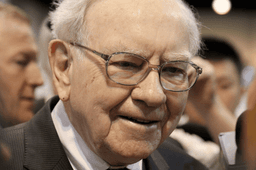
- Buffett's Investment Returns: From 1965 to 2025, Berkshire Hathaway achieved an average annual return of approximately 20%, significantly outperforming the S&P 500's 10.3%, indicating Buffett's investment strategy has excelled over the long term, reinforcing the company's market leadership.
- Signs of DaVita's Recovery: DaVita exceeded expectations in its latest quarterly results and projected earnings per share between $13.60 and $15 for 2026, with shares surging over 30% since the earnings release, presenting an opportunity for investors to reassess its value, especially as it historically traded at 13 to 14 times forward earnings.
- Investment Opportunity in Kraft Heinz: Despite Berkshire's losses in Kraft Heinz, the stock currently trades at a mere 9 times forward earnings, below peers, and the company's plan to split into two entities could unlock significant value, attracting new investors' interest.
- Cautious Approach to UnitedHealth Group: Although Berkshire purchased 5 million shares of UnitedHealth last year, the stock has dropped from $350 to around $280 due to lower-than-expected Medicare payment increases, with a current P/E ratio of 16, which is still above peers, prompting investors to consider their buying strategy carefully.
See More

Berkshire Hathaway Stock Outperforms Amid Tech Sell-Off
- Cash Reserve Advantage: Berkshire Hathaway's cash reserves exceeding $350 billion have become a significant asset as technology stocks face sell-offs due to AI spending outpacing revenues, leading to a 5.6% increase in A shares and a 5.7% rise in B shares.
- DaVita Stock Surge: DaVita's stock soared nearly 29% this week after reporting Q4 earnings that exceeded analysts' expectations, which is positive for Berkshire, holding a 44% stake valued at $4.2 billion.
- Impact of Share Sale: Despite DaVita's stock surge, Berkshire sold almost 1.7 million shares at a pre-surge price of $120.56 each last Thursday, totaling nearly $200 million, which limits its stake in DaVita to below 45% as per their agreement.
- Borsheims Store Renovation: Berkshire's subsidiary Borsheims plans a major architectural transformation of its flagship Omaha jewelry store to enhance customer experience and solidify its status as a luxury destination, with renovations set to begin after May's annual meeting while remaining open during construction.
See More

Buffett Leaves Abel with a $320 Billion Portfolio Challenge
- Massive Portfolio: Upon stepping down at the end of 2025, Buffett left Berkshire Hathaway with a marketable equity portfolio valued at approximately $320 billion and $354 billion in cash reserves, presenting new CEO Abel with significant management challenges as investors await his strategic adjustments.
- First Stock Sale: Under Abel's leadership, Berkshire disclosed the sale of 1.7 million shares of DaVita (DVA), which, while executed under a pre-existing agreement, raised concerns among investors about potential reductions in holdings, thereby impacting market confidence.
- Strong DaVita Performance: DaVita's recent earnings report revealed a 10% revenue increase and a 52% surge in adjusted earnings per share (EPS), and despite ongoing concerns regarding flu season and GLP-1 drug impacts, management's optimistic forecast of 45% EPS growth for 2026 indicates a positive outlook.
- Potential Kraft Heinz Sale: Abel appears poised to sell Berkshire's stake in Kraft Heinz (KHC), despite Buffett's previous comments on the merger's shortcomings; Abel's disapproval of the company's split plan may present an opportunity for Berkshire to divest its shares.
See More

Warren Buffett Steps Down as CEO of Berkshire Hathaway


- Leadership Change: Warren Buffett's resignation as CEO of Berkshire Hathaway after over 65 years marks a significant turning point in the company's history, potentially impacting investor confidence and future strategic direction.
- Stock Sales Overview: Berkshire's recent stock sales totaled $12.5 billion, involving six stocks including Apple and Bank of America, indicating Buffett's cautious stance on high-valuation stocks, which may affect the company's short-term earnings performance.
- Investment Strategy Shift: In the third quarter, Berkshire allocated nearly $6.4 billion to stock purchases while adding $9.9 billion to short-term U.S. Treasury Bills, reflecting Buffett's concerns about market valuations and emphasis on liquidity, which could influence future investment decisions.
- Increased Cash Allocation: Currently, cash and Treasury Bills make up about one-third of Berkshire's total value, demonstrating Buffett's cautious approach to the current market environment, which may pose greater challenges for the company in finding viable investment opportunities.
See More
Buffett's Investment Strategy and Market Dynamics
- Buffett's Leadership Achievements: Buffett served as CEO of Berkshire Hathaway from 1965, achieving an average annual stock price increase of about 20%, significantly outperforming the S&P 500's 10.3%, highlighting the success and sustainability of his investment strategies.
- Signs of DaVita's Recovery: DaVita exceeded expectations in its latest quarterly results and provided 2026 earnings guidance between $13.60 and $15, with shares surging over 30% since the earnings release, indicating restored market confidence and future growth potential.
- Investment Opportunity in Kraft Heinz: Despite Berkshire's losses in Kraft Heinz, the current market cap of around $7.5 billion and a forward P/E of 9 attract new investors, especially as the company plans to split to unlock value, reminiscent of Kellogg's successful separation strategy.
- Cautious Stance on UnitedHealth Group: Although Berkshire purchased 5 million shares last year, the stock has fallen from $350 to around $280 due to lower-than-expected Medicare payment increases, prompting investors to think twice before buying the dip given the potential for further multiple compression.
See More
DaVita's Earnings Beat Expectations, Signs of Recovery Ahead
- Strong Earnings Performance: DaVita's latest quarterly results exceeded expectations, with projected earnings per share between $13.60 and $15 for 2026, resulting in a current price-to-earnings ratio of only 9 times, indicating potential for future growth and attracting investor interest.
- Stock Price Rebound: Since the earnings release, DaVita's stock has surged over 30%, reflecting market recognition of its performance and potentially providing room for multiple expansion, as it previously traded at 13 to 14 times forward earnings.
- Buffett's Investment Strategy: Despite Berkshire Hathaway's losses on its Kraft Heinz investment, currently valued at around $7.5 billion, the planned split into two entities may present opportunities for new investors, especially as Kraft Heinz trades at a mere 9 times forward earnings, below peers.
- Healthcare Sector Challenges: UnitedHealth Group's stock has fallen from $350 to around $280, primarily due to the U.S. government's lower-than-expected Medicare payment increases; although Buffett had previously purchased shares, the current 16 times forward earnings ratio indicates market concerns about its growth trajectory, warranting caution for investors.
See More
Analysis of Buffett's Investment Strategies
- Buffett's Investment Returns: From 1965 to 2025, Berkshire Hathaway achieved an average annual return of approximately 20%, significantly outperforming the S&P 500's 10.3%, indicating Buffett's investment strategy has excelled over the long term, reinforcing the company's market leadership.
- Signs of DaVita's Recovery: DaVita exceeded expectations in its latest quarterly results and projected earnings per share between $13.60 and $15 for 2026, with shares surging over 30% since the earnings release, presenting an opportunity for investors to reassess its value, especially as it historically traded at 13 to 14 times forward earnings.
- Investment Opportunity in Kraft Heinz: Despite Berkshire's losses in Kraft Heinz, the stock currently trades at a mere 9 times forward earnings, below peers, and the company's plan to split into two entities could unlock significant value, attracting new investors' interest.
- Cautious Approach to UnitedHealth Group: Although Berkshire purchased 5 million shares of UnitedHealth last year, the stock has dropped from $350 to around $280 due to lower-than-expected Medicare payment increases, with a current P/E ratio of 16, which is still above peers, prompting investors to consider their buying strategy carefully.
See More
Berkshire Hathaway Stock Outperforms Amid Tech Sell-Off
- Cash Reserve Advantage: Berkshire Hathaway's cash reserves exceeding $350 billion have become a significant asset as technology stocks face sell-offs due to AI spending outpacing revenues, leading to a 5.6% increase in A shares and a 5.7% rise in B shares.
- DaVita Stock Surge: DaVita's stock soared nearly 29% this week after reporting Q4 earnings that exceeded analysts' expectations, which is positive for Berkshire, holding a 44% stake valued at $4.2 billion.
- Impact of Share Sale: Despite DaVita's stock surge, Berkshire sold almost 1.7 million shares at a pre-surge price of $120.56 each last Thursday, totaling nearly $200 million, which limits its stake in DaVita to below 45% as per their agreement.
- Borsheims Store Renovation: Berkshire's subsidiary Borsheims plans a major architectural transformation of its flagship Omaha jewelry store to enhance customer experience and solidify its status as a luxury destination, with renovations set to begin after May's annual meeting while remaining open during construction.
See More
Buffett Leaves Abel with a $320 Billion Portfolio Challenge
- Massive Portfolio: Upon stepping down at the end of 2025, Buffett left Berkshire Hathaway with a marketable equity portfolio valued at approximately $320 billion and $354 billion in cash reserves, presenting new CEO Abel with significant management challenges as investors await his strategic adjustments.
- First Stock Sale: Under Abel's leadership, Berkshire disclosed the sale of 1.7 million shares of DaVita (DVA), which, while executed under a pre-existing agreement, raised concerns among investors about potential reductions in holdings, thereby impacting market confidence.
- Strong DaVita Performance: DaVita's recent earnings report revealed a 10% revenue increase and a 52% surge in adjusted earnings per share (EPS), and despite ongoing concerns regarding flu season and GLP-1 drug impacts, management's optimistic forecast of 45% EPS growth for 2026 indicates a positive outlook.
- Potential Kraft Heinz Sale: Abel appears poised to sell Berkshire's stake in Kraft Heinz (KHC), despite Buffett's previous comments on the merger's shortcomings; Abel's disapproval of the company's split plan may present an opportunity for Berkshire to divest its shares.
See More
Warren Buffett Steps Down as CEO of Berkshire Hathaway
- Leadership Change: Warren Buffett's resignation as CEO of Berkshire Hathaway after over 65 years marks a significant turning point in the company's history, potentially impacting investor confidence and future strategic direction.
- Stock Sales Overview: Berkshire's recent stock sales totaled $12.5 billion, involving six stocks including Apple and Bank of America, indicating Buffett's cautious stance on high-valuation stocks, which may affect the company's short-term earnings performance.
- Investment Strategy Shift: In the third quarter, Berkshire allocated nearly $6.4 billion to stock purchases while adding $9.9 billion to short-term U.S. Treasury Bills, reflecting Buffett's concerns about market valuations and emphasis on liquidity, which could influence future investment decisions.
- Increased Cash Allocation: Currently, cash and Treasury Bills make up about one-third of Berkshire's total value, demonstrating Buffett's cautious approach to the current market environment, which may pose greater challenges for the company in finding viable investment opportunities.
See More