Concerns Over Oil Surplus Impact Crude Prices — Are Energy ETFs a Rival to Gold and Bitcoin?


Oil Price Trends: Benchmark crude prices, including West Texas Intermediate and Brent, have hit one-month lows due to ongoing U.S.-China trade tensions and fears of a supply glut linked to potential easing of sanctions on Russian oil.
OPEC+ Production Adjustments: OPEC and its allies have increased oil output since April, but have paused further increases through Q1 2026, citing seasonal factors, while still planning a small raise for December.
Energy ETFs Performance: Energy ETFs like XLE and VDE have shown modest year-to-date gains, while XOP has declined; investors are shifting focus to gold and Bitcoin, with significant outflows from energy funds.
Future Outlook: Despite current challenges, energy companies are well-positioned with strong free cash flow, and the International Energy Agency projects steady global oil demand growth through 2035, even as geopolitical risks and U.S. sanctions impact supply dynamics.
Trade with 70% Backtested Accuracy
Analyst Views on META

About META
About the author


Meta Increases AI Investment, Profitability Under Pressure

- AI Budget Surge: Meta plans to increase its capital expenditures to $135 billion in 2026, an 87% rise from last year, aimed at supporting its AI Superintelligence team, which is expected to drive future technological innovation and market competitiveness.
- Profitability Pressure: As capital expenditures rise, Meta's depreciation expenses increased by 20% in 2025 and are expected to rise further in 2026, leading to a decline in operating margin from 48% in Q4 2024 to 41%, although management still anticipates overall operating income growth.
- AI-Driven Revenue Growth: Meta achieved a 24% revenue growth in Q4, driven by increased user engagement and stable ad price hikes, demonstrating its effectiveness in AI applications and market potential.
- Generative AI Potential: Meta is planning to leverage generative AI to attract more advertisers, combining personalized content and shopping agent features, which is expected to generate substantial ad revenue and further solidify its market position.

Investor Confusion in AI Competition


- Investor Sentiment Shift: Following earnings calls from tech giants like Microsoft, Google, and Amazon, investor confusion about future directions led to Amazon losing over $300 billion in market cap, reflecting strong skepticism regarding its $200 billion AI investment plan.
- Capital Expenditure Comparison: Google announced an increase in capital expenditures to $175 billion to $185 billion, exceeding the expected $115 billion to $120 billion, indicating a proactive approach in AI despite challenges from slowing ad revenues.
- Changing Competitive Landscape: With Alphabet's ongoing investments and successes in AI, YouTube's user base has grown to 750 million, and Waymo's self-driving business is outpacing Tesla, suggesting a strengthening competitive advantage that may attract more investor interest.
- Mixed Market Reactions: Despite OpenAI and Anthropic's strong performance in AI, Microsoft's Copilot sales have been disappointing, highlighting investor concerns about its future growth and reflecting differing levels of confidence across companies.

Market Divergence: Tech Stocks Under Pressure


- Market Performance Divergence: Last week, the Dow Jones Industrial Average surged 2.50% to a new all-time high, while the Nasdaq fell 1.84%, indicating the pressure on tech stocks and necessitating cautious investor sentiment amid potential risks.
- Tech Sector Weight Impact: With tech stocks comprising about 30% of the S&P 500's market cap, their underperformance can drag down the overall index even when other sectors perform well, highlighting the need for investors to monitor signals of sector rotation closely.
- Consumer Staples vs. Discretionary: The recent outperformance of consumer staples (XLP) over discretionary spending (XLY) may signal economic slowdown risks, prompting investors to pay attention to how this shift affects market sentiment and investment strategies.
- Ethereum Price Decline: Ethereum has fallen below the technical support level of 2600-2800, potentially heading towards the 1650-1750 range; if it stabilizes at this level, it could represent one of the best buying opportunities in years, warranting close observation from investors.
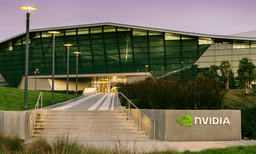
Nvidia's Financial Outlook Appears Promising Ahead of Earnings Report


- Surge in Capital Expenditure: Microsoft invested $88.2 billion in AI in 2025 and is on track to exceed that in 2026, indicating strong commitment to AI demand, which will further drive Nvidia's GPU requirements.
- Strong Cloud Demand: Google anticipates capital expenditures of $180 billion in 2026, primarily for servers and data centers, underscoring sustained demand for AI solutions, positioning Nvidia as a key beneficiary.
- Solid Market Share: Nvidia holds a commanding 92% share of the data center GPU market, with its four largest customers (Microsoft, Meta, Amazon, and Google) accounting for 40% of its sales, highlighting the company's robust competitive edge in AI.
- Optimistic Earnings Outlook: Nvidia expects a 65% year-over-year revenue growth for Q4 of fiscal 2026, up from 62% in Q3, and if actual results exceed expectations, it will further boost investor confidence and drive stock price appreciation.

Alphabet's AI Market Share Rapidly Expanding

- Market Share Growth: Alphabet's Gemini AI is rapidly capturing market share, increasing from 7% in 2022 to 21% in 2023, and is expected to surpass ChatGPT this year, demonstrating strong competitiveness in the generative AI space.
- Hardware Competitive Advantage: Alphabet's TPU chip serves as an alternative to Nvidia's GPUs and is being extensively utilized by Anthropic, which is likely to create additional hardware demand for Alphabet and further solidify its market position.
- Strong Financial Performance: Alphabet's revenue is projected to exceed $400 billion in 2025, reflecting a 15% year-over-year increase, while net income is expected to rise by 32% to $132.1 billion, showcasing its profitability and leadership in the AI sector.
- Significant Capital Expenditure Increase: Alphabet plans to double its capital expenditures to between $175 billion and $185 billion in 2026, indicating a strong commitment to long-term investments in AI, which is expected to further drive market expansion and technological innovation.

Arista Networks: A Hidden Gem in AI Networking

- Market Opportunity: According to BNP Paribas, the total addressable data center networking market is projected to reach approximately $120 billion by 2028, positioning Arista Networks favorably with its ultra-fast Ethernet switches to meet the demands of cloud giants like Microsoft and Meta, thereby driving future growth.
- Technological Advantage: Arista's 400G and 800G high-speed Ethernet switching platforms are being widely deployed in next-generation AI cluster networks by 2025, with expectations for even faster 1.6T platforms by 2026, which will directly enhance the company's market share amid ongoing AI spending growth.
- Financial Performance: With over 20% annual revenue growth and gross margins exceeding 60%, Arista's revenues are expected to rise from $8.9 billion in 2025 to nearly $21 billion by 2030, reflecting a robust financial health and strong growth potential.
- Market Capitalization Outlook: Assuming the company's price-to-sales ratio reverts to its five-year historical average of 15.4x by 2030, Arista's market capitalization is projected to reach around $323 billion, representing an approximately 84% increase from its current market cap, indicating its investment value as a high-quality AI company.
Meta Increases AI Investment, Profitability Under Pressure
- AI Budget Surge: Meta plans to increase its capital expenditures to $135 billion in 2026, an 87% rise from last year, aimed at supporting its AI Superintelligence team, which is expected to drive future technological innovation and market competitiveness.
- Profitability Pressure: As capital expenditures rise, Meta's depreciation expenses increased by 20% in 2025 and are expected to rise further in 2026, leading to a decline in operating margin from 48% in Q4 2024 to 41%, although management still anticipates overall operating income growth.
- AI-Driven Revenue Growth: Meta achieved a 24% revenue growth in Q4, driven by increased user engagement and stable ad price hikes, demonstrating its effectiveness in AI applications and market potential.
- Generative AI Potential: Meta is planning to leverage generative AI to attract more advertisers, combining personalized content and shopping agent features, which is expected to generate substantial ad revenue and further solidify its market position.
Investor Confusion in AI Competition
- Investor Sentiment Shift: Following earnings calls from tech giants like Microsoft, Google, and Amazon, investor confusion about future directions led to Amazon losing over $300 billion in market cap, reflecting strong skepticism regarding its $200 billion AI investment plan.
- Capital Expenditure Comparison: Google announced an increase in capital expenditures to $175 billion to $185 billion, exceeding the expected $115 billion to $120 billion, indicating a proactive approach in AI despite challenges from slowing ad revenues.
- Changing Competitive Landscape: With Alphabet's ongoing investments and successes in AI, YouTube's user base has grown to 750 million, and Waymo's self-driving business is outpacing Tesla, suggesting a strengthening competitive advantage that may attract more investor interest.
- Mixed Market Reactions: Despite OpenAI and Anthropic's strong performance in AI, Microsoft's Copilot sales have been disappointing, highlighting investor concerns about its future growth and reflecting differing levels of confidence across companies.
Market Divergence: Tech Stocks Under Pressure
- Market Performance Divergence: Last week, the Dow Jones Industrial Average surged 2.50% to a new all-time high, while the Nasdaq fell 1.84%, indicating the pressure on tech stocks and necessitating cautious investor sentiment amid potential risks.
- Tech Sector Weight Impact: With tech stocks comprising about 30% of the S&P 500's market cap, their underperformance can drag down the overall index even when other sectors perform well, highlighting the need for investors to monitor signals of sector rotation closely.
- Consumer Staples vs. Discretionary: The recent outperformance of consumer staples (XLP) over discretionary spending (XLY) may signal economic slowdown risks, prompting investors to pay attention to how this shift affects market sentiment and investment strategies.
- Ethereum Price Decline: Ethereum has fallen below the technical support level of 2600-2800, potentially heading towards the 1650-1750 range; if it stabilizes at this level, it could represent one of the best buying opportunities in years, warranting close observation from investors.
Nvidia's Financial Outlook Appears Promising Ahead of Earnings Report
- Surge in Capital Expenditure: Microsoft invested $88.2 billion in AI in 2025 and is on track to exceed that in 2026, indicating strong commitment to AI demand, which will further drive Nvidia's GPU requirements.
- Strong Cloud Demand: Google anticipates capital expenditures of $180 billion in 2026, primarily for servers and data centers, underscoring sustained demand for AI solutions, positioning Nvidia as a key beneficiary.
- Solid Market Share: Nvidia holds a commanding 92% share of the data center GPU market, with its four largest customers (Microsoft, Meta, Amazon, and Google) accounting for 40% of its sales, highlighting the company's robust competitive edge in AI.
- Optimistic Earnings Outlook: Nvidia expects a 65% year-over-year revenue growth for Q4 of fiscal 2026, up from 62% in Q3, and if actual results exceed expectations, it will further boost investor confidence and drive stock price appreciation.
Alphabet's AI Market Share Rapidly Expanding
- Market Share Growth: Alphabet's Gemini AI is rapidly capturing market share, increasing from 7% in 2022 to 21% in 2023, and is expected to surpass ChatGPT this year, demonstrating strong competitiveness in the generative AI space.
- Hardware Competitive Advantage: Alphabet's TPU chip serves as an alternative to Nvidia's GPUs and is being extensively utilized by Anthropic, which is likely to create additional hardware demand for Alphabet and further solidify its market position.
- Strong Financial Performance: Alphabet's revenue is projected to exceed $400 billion in 2025, reflecting a 15% year-over-year increase, while net income is expected to rise by 32% to $132.1 billion, showcasing its profitability and leadership in the AI sector.
- Significant Capital Expenditure Increase: Alphabet plans to double its capital expenditures to between $175 billion and $185 billion in 2026, indicating a strong commitment to long-term investments in AI, which is expected to further drive market expansion and technological innovation.
Arista Networks: A Hidden Gem in AI Networking
- Market Opportunity: According to BNP Paribas, the total addressable data center networking market is projected to reach approximately $120 billion by 2028, positioning Arista Networks favorably with its ultra-fast Ethernet switches to meet the demands of cloud giants like Microsoft and Meta, thereby driving future growth.
- Technological Advantage: Arista's 400G and 800G high-speed Ethernet switching platforms are being widely deployed in next-generation AI cluster networks by 2025, with expectations for even faster 1.6T platforms by 2026, which will directly enhance the company's market share amid ongoing AI spending growth.
- Financial Performance: With over 20% annual revenue growth and gross margins exceeding 60%, Arista's revenues are expected to rise from $8.9 billion in 2025 to nearly $21 billion by 2030, reflecting a robust financial health and strong growth potential.
- Market Capitalization Outlook: Assuming the company's price-to-sales ratio reverts to its five-year historical average of 15.4x by 2030, Arista's market capitalization is projected to reach around $323 billion, representing an approximately 84% increase from its current market cap, indicating its investment value as a high-quality AI company.