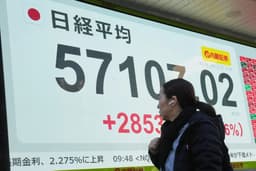
CH FIN LEASING Allocates Funds to BABA-W & DL HOLDINGS GP While Exploring AI and Web3.0 Investment Prospects


Investment Focus: CH FIN LEASING is actively pursuing investments in AI and Web 3.0 sectors, having invested in BABA-W and various technology-related ETFs to diversify its asset portfolio.
Leadership Change: Mike Cai, the founder of MEITU, became the head of CH FIN LEASING in October 2025, with plans to use the company as an asset management platform for technology incubation and increased investments in digital assets.
Trade with 70% Backtested Accuracy

Analyst Views on 01357

About the author


HSI Rises by 467 Points as Chinese Insurers, Commodities, and AI Stocks Perform Well; KNOWLEDGE ATLAS Surges 36%


Market Performance: The HSI rose by 1.8% to close at 27,027, with significant gains in the HSCEI and HSTECH, while total market turnover reached $255.142 billion.
Insurance Sector Gains: Chinese insurers, particularly CHINA LIFE and PING AN, saw substantial increases of 4% and 4.9%, respectively, following PING AN's stake increase in CHINA LIFE.
Financial Stocks Rise: Major financial institutions like HSBC and HKEX experienced gains between 2.6% and 3.4%, contributing to a positive trend in the financial sector.
Tech and AI Stocks Surge: Tech stocks rebounded, with TENCENT and BIDU-SW rising over 2%, while AI-related stocks like KNOWLEDGE ATLAS soared by 36.2%, reflecting strong investor interest.

Jefferies: MEITU's 2025 Adjusted Profit Forecast Midpoint Aligns with Expectations; Maintains Buy Rating

Financial Forecast: MEITU projects a 60-66% year-over-year growth in non-IFRS adjusted profit for 2025, aligning with market consensus according to Jefferies' report.
Revenue Growth Drivers: The anticipated growth is attributed to increased revenue from core products like photo and video services, driven by a rise in global paying users and stronger overseas user growth compared to the Chinese market.
Stock Rating and Target: BofAS has rated MEITU's stock as a Buy, setting a target price of HKD12.5, citing the company's potential in AI productivity tools.
Market Activity: The stock has seen significant short selling activity, with a ratio of 26.483% and a total short selling amount of $69.84 million.
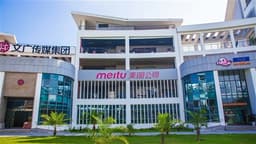
G Sachs Begins Coverage of MEITU with a Buy Rating and Target Price of HKD 16
Transformation of MEITU: Generative AI has evolved MEITU from a beautification tool into a comprehensive AI photo and video generation and editing application, broadening its market reach to enterprises in e-commerce and advertising.
Growth Projections: Goldman Sachs anticipates that this transformation will enhance MEITU's monthly active users, payment ratio, and average revenue per user (ARPU), leading to a positive outlook for the company.

BofAS: MEITU's Adjusted Net Profit for 2025 Exceeds Expectations Slightly
Company Performance: MEITU (01357.HK) is projected to achieve a 60-66% growth in its 2025 non-GAAP adjusted net profit, reaching RMB938-973 million, according to BofA Securities.
Market Expectations: The median growth estimate of 63% to RMB955 million slightly surpasses market expectations and BofA's forecast by 1%, driven by increased product revenue and operational leverage.
Analyst Rating: BofA Securities maintains a Buy rating for MEITU, setting a target price of HKD11.3.
Short Selling Data: The short selling amount for MEITU stands at $96.99 million, with a ratio of 23.414%.

MEITU Surges Over 6% Following Projection of Up to 66% Growth in Adjusted Net Profit Last Year
Stock Performance: Meitu's stock opened up 5.77% and peaked at HKD6.64 before closing at HKD6.48, reflecting a 3.85% increase with significant trading volume.
Profit Forecast: The company announced an expected adjusted net profit growth of 60-66% year-over-year based on non-IFRS measures.

HSI Drops 109 Points at Midday as Software and Tech Stocks Weaken; Kingdee Falls Over 14%


Market Reaction to AI Threat: The software industry faced pressure from AI models by Alphabet and Anthropic, leading to declines in US software stocks and a drop in the Hong Kong bourse, with the HSI down 0.4% in the morning session.
Significant Stock Declines: Major tech companies like Tencent, Bilibili, and Meitu experienced substantial losses, with short selling ratios indicating increased market skepticism.
Broader Tech Sector Impact: Other tech stocks, including Alibaba and JD.com, also saw declines, while semiconductor stocks like SMIC and Hua Hong Semi faced significant drops, reflecting a broader downturn in the tech sector.
Resource Stocks Performance: Gold and silver prices rebounded, and oil stocks gained due to rising refined oil prices in mainland China and geopolitical events, with companies like Sinopec and PetroChina seeing modest increases.
HSI Rises by 467 Points as Chinese Insurers, Commodities, and AI Stocks Perform Well; KNOWLEDGE ATLAS Surges 36%
Market Performance: The HSI rose by 1.8% to close at 27,027, with significant gains in the HSCEI and HSTECH, while total market turnover reached $255.142 billion.
Insurance Sector Gains: Chinese insurers, particularly CHINA LIFE and PING AN, saw substantial increases of 4% and 4.9%, respectively, following PING AN's stake increase in CHINA LIFE.
Financial Stocks Rise: Major financial institutions like HSBC and HKEX experienced gains between 2.6% and 3.4%, contributing to a positive trend in the financial sector.
Tech and AI Stocks Surge: Tech stocks rebounded, with TENCENT and BIDU-SW rising over 2%, while AI-related stocks like KNOWLEDGE ATLAS soared by 36.2%, reflecting strong investor interest.
Jefferies: MEITU's 2025 Adjusted Profit Forecast Midpoint Aligns with Expectations; Maintains Buy Rating
Financial Forecast: MEITU projects a 60-66% year-over-year growth in non-IFRS adjusted profit for 2025, aligning with market consensus according to Jefferies' report.
Revenue Growth Drivers: The anticipated growth is attributed to increased revenue from core products like photo and video services, driven by a rise in global paying users and stronger overseas user growth compared to the Chinese market.
Stock Rating and Target: BofAS has rated MEITU's stock as a Buy, setting a target price of HKD12.5, citing the company's potential in AI productivity tools.
Market Activity: The stock has seen significant short selling activity, with a ratio of 26.483% and a total short selling amount of $69.84 million.
G Sachs Begins Coverage of MEITU with a Buy Rating and Target Price of HKD 16
Transformation of MEITU: Generative AI has evolved MEITU from a beautification tool into a comprehensive AI photo and video generation and editing application, broadening its market reach to enterprises in e-commerce and advertising.
Growth Projections: Goldman Sachs anticipates that this transformation will enhance MEITU's monthly active users, payment ratio, and average revenue per user (ARPU), leading to a positive outlook for the company.
BofAS: MEITU's Adjusted Net Profit for 2025 Exceeds Expectations Slightly
Company Performance: MEITU (01357.HK) is projected to achieve a 60-66% growth in its 2025 non-GAAP adjusted net profit, reaching RMB938-973 million, according to BofA Securities.
Market Expectations: The median growth estimate of 63% to RMB955 million slightly surpasses market expectations and BofA's forecast by 1%, driven by increased product revenue and operational leverage.
Analyst Rating: BofA Securities maintains a Buy rating for MEITU, setting a target price of HKD11.3.
Short Selling Data: The short selling amount for MEITU stands at $96.99 million, with a ratio of 23.414%.
MEITU Surges Over 6% Following Projection of Up to 66% Growth in Adjusted Net Profit Last Year
Stock Performance: Meitu's stock opened up 5.77% and peaked at HKD6.64 before closing at HKD6.48, reflecting a 3.85% increase with significant trading volume.
Profit Forecast: The company announced an expected adjusted net profit growth of 60-66% year-over-year based on non-IFRS measures.
HSI Drops 109 Points at Midday as Software and Tech Stocks Weaken; Kingdee Falls Over 14%
Market Reaction to AI Threat: The software industry faced pressure from AI models by Alphabet and Anthropic, leading to declines in US software stocks and a drop in the Hong Kong bourse, with the HSI down 0.4% in the morning session.
Significant Stock Declines: Major tech companies like Tencent, Bilibili, and Meitu experienced substantial losses, with short selling ratios indicating increased market skepticism.
Broader Tech Sector Impact: Other tech stocks, including Alibaba and JD.com, also saw declines, while semiconductor stocks like SMIC and Hua Hong Semi faced significant drops, reflecting a broader downturn in the tech sector.
Resource Stocks Performance: Gold and silver prices rebounded, and oil stocks gained due to rising refined oil prices in mainland China and geopolitical events, with companies like Sinopec and PetroChina seeing modest increases.