Carter's to Close 150 Stores Over Three Years Amid Low Performance
- Store Closure Plan: Carter's has announced plans to close 150 underperforming stores over the next three years, with approximately 100 closures expected by 2026, aiming to improve financial health by reducing low-margin locations.
- Reasons for Closures: The company cited rising tariffs, particularly the 10% tariffs imposed by the Trump administration on imports, as a primary factor affecting sales performance and increasing costs for American consumers.
- Other Retail Dynamics: Kroger plans to close 60 locations over the next 18 months, which is expected to yield a modest financial benefit, while Walgreens is set to close about 1,200 stores over three years, reflecting broader pressures in the retail sector.
- Market Response: While Carter's and other retailers' closure plans highlight industry challenges, Red Robin has reduced its closure list due to strong financial results in the third quarter, indicating that some businesses are still able to adapt and grow amidst changes.
Trade with 70% Backtested Accuracy
Analyst Views on CRI

About CRI
About the author


Wedbush Raises Ardelyx Price Target to $19 Amid Outperform Rating


- Ardelyx Price Target Raised: Wedbush increased Ardelyx Inc (NASDAQ:ARDX) price target from $16 to $19 while maintaining an Outperform rating, indicating confidence in the company's growth prospects.
- Southern Copper Rating Downgraded: UBS raised the price target for Southern Copper Corp (NYSE:SCCO) from $143 to $148 but downgraded the stock from Neutral to Sell, reflecting concerns about its short-term performance.
- Waste Management Price Target Cut: Scotiabank lowered the price target for Waste Management Inc (NYSE:WM) from $254 to $250, with analyst Konark Gupta downgrading the stock from Sector Outperform to Sector Perform, suggesting caution regarding future growth.
- Carter's Price Target Increased: Citigroup raised the price target for Carter’s Inc (NYSE:CRI) from $34 to $50 and upgraded the stock from Neutral to Buy, indicating a positive outlook on its market performance.

CARTER'S STOCK RISES 5.5% FOLLOWING CITIGROUP'S UPGRADE TO 'BUY' FROM 'NEUTRAL'
- Carter's Share Performance: Carter's shares have increased by 5.5% following a positive rating change.
- Citigroup's Upgrade: Citigroup Group has upgraded Carter's stock from 'Neutral' to 'Buy', indicating a more favorable outlook.
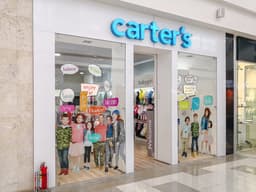
Carter's Reports High Single-Digit Q4 Sales Growth Amid Leadership Changes
- Sales Performance Boost: Carter's reported a high single-digit year-over-year increase in consolidated net sales for Q4, projected to reach $884.4718 million, indicating positive market response during a competitive holiday season.
- Retail Growth Drivers: U.S. retail net sales also rose in the high single digits, primarily driven by strong online demand, showcasing the company's success in its digital transformation efforts.
- International Market Performance: The international segment achieved high single-digit growth, reflecting Carter's expansion potential in global markets, despite a slight decline in U.S. wholesale sales.
- Leadership Changes: Carter's appointed David B. Tichiazas as Chief Brand Officer to oversee product design and merchandising teams, aiming to enhance brand management and drive the company's turnaround strategy.
Carter's Reports High Single-Digit Sales Growth in Q4 2025
- Sales Performance Boost: Carter's preliminary net sales for Q4 2025 increased by a high single-digit percentage, indicating that the company's various initiatives are beginning to yield results during the highly competitive holiday sales period, reflecting strong consumer response to product and marketing efforts.
- Retail Sales Growth: The fourth quarter comparable retail sales grew for the third consecutive quarter, demonstrating success in raising average unit retail prices and reducing promotional activities, which improved profitability and offset the impact of higher tariffs.
- Additional Week Contribution: The fiscal year 2025 included 53 weeks, with the extra week estimated to contribute approximately $33 million in net sales, further driving overall revenue growth and showcasing the company's efforts toward financial stability.
- Management Team Expansion: David B. Tichiaz has joined as Chief Brand Officer, responsible for leading product design and merchandising teams, and with nearly two decades of experience in global lifestyle brands, he is expected to bring new perspectives and innovations to the company's brand development.

Carter's to Close 150 Stores Over Three Years Amid Low Performance
- Store Closure Plan: Carter's has announced plans to close 150 underperforming stores over the next three years, with approximately 100 closures expected by 2026, aiming to improve financial health by reducing low-margin locations.
- Reasons for Closures: The company cited rising tariffs, particularly the 10% tariffs imposed by the Trump administration on imports, as a primary factor affecting sales performance and increasing costs for American consumers.
- Other Retail Dynamics: Kroger plans to close 60 locations over the next 18 months, which is expected to yield a modest financial benefit, while Walgreens is set to close about 1,200 stores over three years, reflecting broader pressures in the retail sector.
- Market Response: While Carter's and other retailers' closure plans highlight industry challenges, Red Robin has reduced its closure list due to strong financial results in the third quarter, indicating that some businesses are still able to adapt and grow amidst changes.

Validea's Leading Consumer Discretionary Stocks Inspired by Benjamin Graham - December 16, 2025

Top Rated Consumer Discretionary Stocks: The article highlights top-rated Consumer Discretionary stocks according to Validea's Value Investor model, which is based on Benjamin Graham's deep value methodology focusing on low P/B and P/E ratios, low debt, and solid long-term earnings growth.
Shoe Carnival Inc (SCVL): Shoe Carnival is a family footwear retailer with a 100% rating based on its fundamentals and valuation, operating approximately 431 stores across the U.S. and Puerto Rico, offering a wide range of branded footwear.
Carter's Inc (CRI): Carter's, a marketer of children's apparel, also received a 100% rating based on its fundamentals and valuation, with operations in the U.S., Canada, and Mexico, selling products through retail stores and e-commerce platforms.
Stride Inc (LRN) and Lennar Corp (LEN): Stride, a mid-cap value stock in the education sector, has an 86% rating, while Lennar, a large-cap homebuilder, has a 71% rating, both evaluated based on their underlying fundamentals and stock valuations.
Wedbush Raises Ardelyx Price Target to $19 Amid Outperform Rating
- Ardelyx Price Target Raised: Wedbush increased Ardelyx Inc (NASDAQ:ARDX) price target from $16 to $19 while maintaining an Outperform rating, indicating confidence in the company's growth prospects.
- Southern Copper Rating Downgraded: UBS raised the price target for Southern Copper Corp (NYSE:SCCO) from $143 to $148 but downgraded the stock from Neutral to Sell, reflecting concerns about its short-term performance.
- Waste Management Price Target Cut: Scotiabank lowered the price target for Waste Management Inc (NYSE:WM) from $254 to $250, with analyst Konark Gupta downgrading the stock from Sector Outperform to Sector Perform, suggesting caution regarding future growth.
- Carter's Price Target Increased: Citigroup raised the price target for Carter’s Inc (NYSE:CRI) from $34 to $50 and upgraded the stock from Neutral to Buy, indicating a positive outlook on its market performance.
CARTER'S STOCK RISES 5.5% FOLLOWING CITIGROUP'S UPGRADE TO 'BUY' FROM 'NEUTRAL'
- Carter's Share Performance: Carter's shares have increased by 5.5% following a positive rating change.
- Citigroup's Upgrade: Citigroup Group has upgraded Carter's stock from 'Neutral' to 'Buy', indicating a more favorable outlook.
Carter's Reports High Single-Digit Q4 Sales Growth Amid Leadership Changes
- Sales Performance Boost: Carter's reported a high single-digit year-over-year increase in consolidated net sales for Q4, projected to reach $884.4718 million, indicating positive market response during a competitive holiday season.
- Retail Growth Drivers: U.S. retail net sales also rose in the high single digits, primarily driven by strong online demand, showcasing the company's success in its digital transformation efforts.
- International Market Performance: The international segment achieved high single-digit growth, reflecting Carter's expansion potential in global markets, despite a slight decline in U.S. wholesale sales.
- Leadership Changes: Carter's appointed David B. Tichiazas as Chief Brand Officer to oversee product design and merchandising teams, aiming to enhance brand management and drive the company's turnaround strategy.
Carter's Reports High Single-Digit Sales Growth in Q4 2025
- Sales Performance Boost: Carter's preliminary net sales for Q4 2025 increased by a high single-digit percentage, indicating that the company's various initiatives are beginning to yield results during the highly competitive holiday sales period, reflecting strong consumer response to product and marketing efforts.
- Retail Sales Growth: The fourth quarter comparable retail sales grew for the third consecutive quarter, demonstrating success in raising average unit retail prices and reducing promotional activities, which improved profitability and offset the impact of higher tariffs.
- Additional Week Contribution: The fiscal year 2025 included 53 weeks, with the extra week estimated to contribute approximately $33 million in net sales, further driving overall revenue growth and showcasing the company's efforts toward financial stability.
- Management Team Expansion: David B. Tichiaz has joined as Chief Brand Officer, responsible for leading product design and merchandising teams, and with nearly two decades of experience in global lifestyle brands, he is expected to bring new perspectives and innovations to the company's brand development.
Carter's to Close 150 Stores Over Three Years Amid Low Performance
- Store Closure Plan: Carter's has announced plans to close 150 underperforming stores over the next three years, with approximately 100 closures expected by 2026, aiming to improve financial health by reducing low-margin locations.
- Reasons for Closures: The company cited rising tariffs, particularly the 10% tariffs imposed by the Trump administration on imports, as a primary factor affecting sales performance and increasing costs for American consumers.
- Other Retail Dynamics: Kroger plans to close 60 locations over the next 18 months, which is expected to yield a modest financial benefit, while Walgreens is set to close about 1,200 stores over three years, reflecting broader pressures in the retail sector.
- Market Response: While Carter's and other retailers' closure plans highlight industry challenges, Red Robin has reduced its closure list due to strong financial results in the third quarter, indicating that some businesses are still able to adapt and grow amidst changes.
Validea's Leading Consumer Discretionary Stocks Inspired by Benjamin Graham - December 16, 2025
Top Rated Consumer Discretionary Stocks: The article highlights top-rated Consumer Discretionary stocks according to Validea's Value Investor model, which is based on Benjamin Graham's deep value methodology focusing on low P/B and P/E ratios, low debt, and solid long-term earnings growth.
Shoe Carnival Inc (SCVL): Shoe Carnival is a family footwear retailer with a 100% rating based on its fundamentals and valuation, operating approximately 431 stores across the U.S. and Puerto Rico, offering a wide range of branded footwear.
Carter's Inc (CRI): Carter's, a marketer of children's apparel, also received a 100% rating based on its fundamentals and valuation, with operations in the U.S., Canada, and Mexico, selling products through retail stores and e-commerce platforms.
Stride Inc (LRN) and Lennar Corp (LEN): Stride, a mid-cap value stock in the education sector, has an 86% rating, while Lennar, a large-cap homebuilder, has a 71% rating, both evaluated based on their underlying fundamentals and stock valuations.