Cal-Maine Foods Faces Challenges as Egg Prices Plunge 20.9% Year-Over-Year
Written by Emily J. Thompson, Senior Investment Analyst
Updated: Jan 13 2026
0mins
Should l Buy CALM?
Source: seekingalpha
- Egg Price Collapse: In December, U.S. egg prices fell 20.9% year-over-year and 8.2% month-over-month due to last year's supply shock from avian influenza, directly impacting Cal-Maine Foods' sales.
- Import Support: The U.S. has imported eggs from Brazil, Mexico, Turkey, and South Korea to alleviate domestic supply shortages, highlighting the urgent need for stable supply in the market.
- Market Share: As the largest producer and distributor of fresh shell eggs in the U.S., Cal-Maine Foods is estimated to sell over 15% of all eggs consumed, with its vertically integrated business model providing some resilience amid market fluctuations.
- Diversification Strategy: Cal-Maine Foods aims for a 30% growth in prepared foods over the next 18 to 24 months, intending to mitigate the impact of the egg price collapse through product diversification and enhance its competitive position in the market.
Trade with 70% Backtested Accuracy
Stop guessing "Should I Buy CALM?" and start using high-conviction signals backed by rigorous historical data.
Sign up today to access powerful investing tools and make smarter, data-driven decisions.
Analyst Views on CALM
Wall Street analysts forecast CALM stock price to rise over the next 12 months. According to Wall Street analysts, the average 1-year price target for CALM is 90.00 USD with a low forecast of 85.00 USD and a high forecast of 100.00 USD. However, analyst price targets are subjective and often lag stock prices, so investors should focus on the objective reasons behind analyst rating changes, which better reflect the company's fundamentals.
3 Analyst Rating
1 Buy
2 Hold
0 Sell
Moderate Buy
Current: 84.280

Low
85.00
Averages
90.00
High
100.00
Current: 84.280
Low
85.00
Averages
90.00
High
100.00
About CALM
Cal-Maine Foods, Inc. is primarily engaged in the production, packaging, marketing and distribution of fresh shell eggs, including conventional, cage-free, organic, brown, free-range, pasture-raised and nutritionally enhanced eggs, as well as a variety of ready-to-eat egg products. The Company’s integrated operations consist of hatching chicks, growing and maintaining flocks of pullets, layers and breeders, manufacturing feed, and producing, processing, packaging, and distributing shell eggs. The Company provides specialty and conventional eggs. Specialty eggs encompass a broad range of products, such as cage-free, organic, brown, free-range, pasture-raised and nutritionally enhanced eggs. Its Farmhouse Eggs brand eggs are produced at its facilities by hens that are provided with a vegetarian diet. It markets organic, vegetarian and omega-3 eggs under its 4-Grain brand, which consists of conventional and cage-free eggs. Its Sunups and Sunny Meadow brands are sold as conventional eggs.
About the author

Emily J. Thompson
Emily J. Thompson, a Chartered Financial Analyst (CFA) with 12 years in investment research, graduated with honors from the Wharton School. Specializing in industrial and technology stocks, she provides in-depth analysis for Intellectia’s earnings and market brief reports.
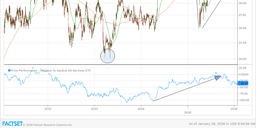
Three Previous Stock Selections Subtly Indicate Buy Opportunities Once More


- Market Opportunities: Investors may find renewed opportunities in previously recommended stocks from healthcare, oil services, and consumer staples sectors.
- Signs of Momentum: These stocks are showing signs of renewed momentum, suggesting potential upside for investors.
- Sector Rotation: The leadership in these sectors has already rotated, indicating a shift in market dynamics.
- Investor Consideration: Investors are encouraged to take a fresh look at these stocks as they may present attractive investment options.
See More

Cal-Maine Foods Faces Challenges as Egg Prices Plunge 20.9% Year-Over-Year
- Egg Price Collapse: In December, U.S. egg prices fell 20.9% year-over-year and 8.2% month-over-month due to last year's supply shock from avian influenza, directly impacting Cal-Maine Foods' sales.
- Import Support: The U.S. has imported eggs from Brazil, Mexico, Turkey, and South Korea to alleviate domestic supply shortages, highlighting the urgent need for stable supply in the market.
- Market Share: As the largest producer and distributor of fresh shell eggs in the U.S., Cal-Maine Foods is estimated to sell over 15% of all eggs consumed, with its vertically integrated business model providing some resilience amid market fluctuations.
- Diversification Strategy: Cal-Maine Foods aims for a 30% growth in prepared foods over the next 18 to 24 months, intending to mitigate the impact of the egg price collapse through product diversification and enhance its competitive position in the market.
See More

Cal-Maine Foods Reports Q2 Earnings Beat but Sales Plummet 19%
- Earnings Beat: Cal-Maine Foods reported Q2 2026 earnings of $2.13 per share, surpassing analyst expectations of $2.01, indicating resilience in profitability despite market challenges.
- Sales Decline: The company's revenue fell over 19% year-over-year to $769.5 million, significantly below the forecast of $826.4 million, primarily due to weak performance in conventional egg sales.
- Market Dynamics Shift: Conventional egg sales plummeted 41% year-over-year, driven by a sharp decline in egg prices following supply-demand imbalances and historic price levels in 2025, adversely affecting overall performance.
- Cautious Future Outlook: Analysts project Cal-Maine's earnings to drop to approximately $9.31 per share in 2026, with further declines expected over the next two years, reflecting concerns about the company's future profitability prospects.
See More

Cal-Maine Foods Reports Q2 Earnings Beat, Stock Rises
- Earnings Beat: Cal-Maine Foods reported Q2 earnings per share of $2.13, surpassing the analyst consensus of $1.94, despite a 19.4% year-over-year decline in sales to $769.5 million, demonstrating resilience in a low egg price environment.
- Sales Mix Transformation: While shell egg sales fell 28.1% to $649.6 million, prepared foods surged 586.4% to $71.7 million, indicating a successful shift towards a higher-value business model.
- Strong Cash Position: The company ended the quarter with $1.14 billion in cash and short-term investments, reflecting robust liquidity that supports future shareholder returns and business expansion.
- Share Buyback Program: Under a $500 million buyback authorization, Cal-Maine repurchased 846,037 shares for $74.8 million during the quarter, signaling confidence in its stock and commitment to shareholders.
See More

Cal-Maine Foods Reports 53.1% Drop in Q2 Net Income
- Net Income Decline: Cal-Maine Foods reported a net income of $102.8 million for Q2, representing a 53.1% year-over-year decline, indicating significant impacts on profitability due to ongoing low egg prices.
- Earnings Per Share Drop: The earnings per share fell to $2.13, down 52.3% from the previous year, reflecting a marked reduction in the company's profitability under market pressures.
- Sales Revenue Decrease: Net sales totaled $769.5 million, a 19.4% decline year-over-year, primarily driven by a 28.1% decrease in total shell egg sales and a 26.5% drop in selling prices, posing challenges to overall revenue.
- Dividend Announcement: The company declared a cash dividend of approximately $0.72 per share payable on February 12, 2026, demonstrating a commitment to shareholder returns despite facing operational challenges.
See More

Cal-Maine Foods Reports 19.4% Decline in Q2 Net Sales
- Sales Diversification: In Q2 of fiscal 2026, Cal-Maine reported net sales of $769.5 million, down 19.4% year-over-year, primarily due to falling egg prices and reduced sales volume, indicating vulnerability amid market fluctuations.
- Specialty Egg Growth: Despite overall sales decline, specialty eggs accounted for 44.0% of total sales, up 1,230 basis points, highlighting increasing market demand for higher-value products within the company's portfolio.
- Prepared Foods Expansion: The company announced a $36 million investment to centralize and expand prepared foods production, expected to increase capacity by over 30% in the next two years, supporting long-term growth in high-protein ready-to-eat products.
- Share Repurchase Program: During the quarter, Cal-Maine repurchased 846,037 shares of common stock for a total of $74.8 million, reflecting the company's confidence in its value amid current market conditions.
See More
Three Previous Stock Selections Subtly Indicate Buy Opportunities Once More
- Market Opportunities: Investors may find renewed opportunities in previously recommended stocks from healthcare, oil services, and consumer staples sectors.
- Signs of Momentum: These stocks are showing signs of renewed momentum, suggesting potential upside for investors.
- Sector Rotation: The leadership in these sectors has already rotated, indicating a shift in market dynamics.
- Investor Consideration: Investors are encouraged to take a fresh look at these stocks as they may present attractive investment options.
See More
Cal-Maine Foods Faces Challenges as Egg Prices Plunge 20.9% Year-Over-Year
- Egg Price Collapse: In December, U.S. egg prices fell 20.9% year-over-year and 8.2% month-over-month due to last year's supply shock from avian influenza, directly impacting Cal-Maine Foods' sales.
- Import Support: The U.S. has imported eggs from Brazil, Mexico, Turkey, and South Korea to alleviate domestic supply shortages, highlighting the urgent need for stable supply in the market.
- Market Share: As the largest producer and distributor of fresh shell eggs in the U.S., Cal-Maine Foods is estimated to sell over 15% of all eggs consumed, with its vertically integrated business model providing some resilience amid market fluctuations.
- Diversification Strategy: Cal-Maine Foods aims for a 30% growth in prepared foods over the next 18 to 24 months, intending to mitigate the impact of the egg price collapse through product diversification and enhance its competitive position in the market.
See More
Cal-Maine Foods Reports Q2 Earnings Beat but Sales Plummet 19%
- Earnings Beat: Cal-Maine Foods reported Q2 2026 earnings of $2.13 per share, surpassing analyst expectations of $2.01, indicating resilience in profitability despite market challenges.
- Sales Decline: The company's revenue fell over 19% year-over-year to $769.5 million, significantly below the forecast of $826.4 million, primarily due to weak performance in conventional egg sales.
- Market Dynamics Shift: Conventional egg sales plummeted 41% year-over-year, driven by a sharp decline in egg prices following supply-demand imbalances and historic price levels in 2025, adversely affecting overall performance.
- Cautious Future Outlook: Analysts project Cal-Maine's earnings to drop to approximately $9.31 per share in 2026, with further declines expected over the next two years, reflecting concerns about the company's future profitability prospects.
See More
Cal-Maine Foods Reports Q2 Earnings Beat, Stock Rises
- Earnings Beat: Cal-Maine Foods reported Q2 earnings per share of $2.13, surpassing the analyst consensus of $1.94, despite a 19.4% year-over-year decline in sales to $769.5 million, demonstrating resilience in a low egg price environment.
- Sales Mix Transformation: While shell egg sales fell 28.1% to $649.6 million, prepared foods surged 586.4% to $71.7 million, indicating a successful shift towards a higher-value business model.
- Strong Cash Position: The company ended the quarter with $1.14 billion in cash and short-term investments, reflecting robust liquidity that supports future shareholder returns and business expansion.
- Share Buyback Program: Under a $500 million buyback authorization, Cal-Maine repurchased 846,037 shares for $74.8 million during the quarter, signaling confidence in its stock and commitment to shareholders.
See More
Cal-Maine Foods Reports 53.1% Drop in Q2 Net Income
- Net Income Decline: Cal-Maine Foods reported a net income of $102.8 million for Q2, representing a 53.1% year-over-year decline, indicating significant impacts on profitability due to ongoing low egg prices.
- Earnings Per Share Drop: The earnings per share fell to $2.13, down 52.3% from the previous year, reflecting a marked reduction in the company's profitability under market pressures.
- Sales Revenue Decrease: Net sales totaled $769.5 million, a 19.4% decline year-over-year, primarily driven by a 28.1% decrease in total shell egg sales and a 26.5% drop in selling prices, posing challenges to overall revenue.
- Dividend Announcement: The company declared a cash dividend of approximately $0.72 per share payable on February 12, 2026, demonstrating a commitment to shareholder returns despite facing operational challenges.
See More
Cal-Maine Foods Reports 19.4% Decline in Q2 Net Sales
- Sales Diversification: In Q2 of fiscal 2026, Cal-Maine reported net sales of $769.5 million, down 19.4% year-over-year, primarily due to falling egg prices and reduced sales volume, indicating vulnerability amid market fluctuations.
- Specialty Egg Growth: Despite overall sales decline, specialty eggs accounted for 44.0% of total sales, up 1,230 basis points, highlighting increasing market demand for higher-value products within the company's portfolio.
- Prepared Foods Expansion: The company announced a $36 million investment to centralize and expand prepared foods production, expected to increase capacity by over 30% in the next two years, supporting long-term growth in high-protein ready-to-eat products.
- Share Repurchase Program: During the quarter, Cal-Maine repurchased 846,037 shares of common stock for a total of $74.8 million, reflecting the company's confidence in its value amid current market conditions.
See More