Buffett Hands Over CEO Role to Abel in 2026
Written by Emily J. Thompson, Senior Investment Analyst
Updated: 3d ago
0mins
Should l Buy KHC?
Source: Fool
- Leadership Transition: Warren Buffett will hand over the CEO position of Berkshire Hathaway to Greg Abel in 2026, a historic shift that could bring significant changes for investors, particularly in the company's strategic direction.
- Stock Sale Expectations: Berkshire may look to sell its stake in Kraft Heinz, which has seen a 29% decline in stock price over the past five years, contrasting sharply with the S&P 500's 85% increase, highlighting the inefficacy of this investment.
- Business Restructuring: Kraft Heinz is in the process of breaking up its business to focus on sauces and grocery brands, a move aimed at unlocking value for shareholders, and Berkshire's potential exit could accelerate this process.
- Growth Investment Opportunities: Should the Kraft stock sale occur, Abel would have the opportunity to reallocate funds into growth stocks, particularly in the tech sector, which Buffett may have previously been hesitant to invest in.
Trade with 70% Backtested Accuracy
Stop guessing "Should I Buy KHC?" and start using high-conviction signals backed by rigorous historical data.
Sign up today to access powerful investing tools and make smarter, data-driven decisions.
Analyst Views on KHC
Wall Street analysts forecast KHC stock price to rise over the next 12 months. According to Wall Street analysts, the average 1-year price target for KHC is 25.86 USD with a low forecast of 24.00 USD and a high forecast of 28.00 USD. However, analyst price targets are subjective and often lag stock prices, so investors should focus on the objective reasons behind analyst rating changes, which better reflect the company's fundamentals.
15 Analyst Rating
0 Buy
14 Hold
1 Sell
Hold
Current: 24.445

Low
24.00
Averages
25.86
High
28.00
Current: 24.445
Low
24.00
Averages
25.86
High
28.00
About KHC
The Kraft Heinz Company manufactures and markets food and beverage products around the world through its eight consumer-driven product platforms: Taste Elevation, Easy Ready Meals, Substantial Snacking, Desserts, Hydration, Cheese, Coffee, and Meats. The Company has two reportable segments defined by geographic region: North America and International Developed Markets. Its other segments, consisting of West and East Emerging Markets (WEEM) and Asia Emerging Markets (AEM), are combined and disclosed as Emerging Markets. It manufactures its products from a wide variety of raw materials. Its brands include Kraft, Oscar Mayer, Heinz, Philadelphia, Lunchables, Velveeta, Ore-Ida, Capri Sun, Maxwell Apartment, Kool-Aid, Jell-O, Heinz, Golden Circle, Wattie’s, Plasmon, Heinz, ABC, Master, Quero, Kraft, and Pudliszki, among others. The Company’s products are sold through its own sales organizations and through independent brokers, agents, and distributors.
About the author

Emily J. Thompson
Emily J. Thompson, a Chartered Financial Analyst (CFA) with 12 years in investment research, graduated with honors from the Wharton School. Specializing in industrial and technology stocks, she provides in-depth analysis for Intellectia’s earnings and market brief reports.

Buffett's Investment Strategy and Market Dynamics


- Buffett's Leadership Achievements: Buffett served as CEO of Berkshire Hathaway from 1965, achieving an average annual stock price increase of about 20%, significantly outperforming the S&P 500's 10.3%, highlighting the success and sustainability of his investment strategies.
- Signs of DaVita's Recovery: DaVita exceeded expectations in its latest quarterly results and provided 2026 earnings guidance between $13.60 and $15, with shares surging over 30% since the earnings release, indicating restored market confidence and future growth potential.
- Investment Opportunity in Kraft Heinz: Despite Berkshire's losses in Kraft Heinz, the current market cap of around $7.5 billion and a forward P/E of 9 attract new investors, especially as the company plans to split to unlock value, reminiscent of Kellogg's successful separation strategy.
- Cautious Stance on UnitedHealth Group: Although Berkshire purchased 5 million shares last year, the stock has fallen from $350 to around $280 due to lower-than-expected Medicare payment increases, prompting investors to think twice before buying the dip given the potential for further multiple compression.
See More

DaVita's Earnings Beat Expectations, Signs of Recovery Ahead
- Strong Earnings Performance: DaVita's latest quarterly results exceeded expectations, with projected earnings per share between $13.60 and $15 for 2026, resulting in a current price-to-earnings ratio of only 9 times, indicating potential for future growth and attracting investor interest.
- Stock Price Rebound: Since the earnings release, DaVita's stock has surged over 30%, reflecting market recognition of its performance and potentially providing room for multiple expansion, as it previously traded at 13 to 14 times forward earnings.
- Buffett's Investment Strategy: Despite Berkshire Hathaway's losses on its Kraft Heinz investment, currently valued at around $7.5 billion, the planned split into two entities may present opportunities for new investors, especially as Kraft Heinz trades at a mere 9 times forward earnings, below peers.
- Healthcare Sector Challenges: UnitedHealth Group's stock has fallen from $350 to around $280, primarily due to the U.S. government's lower-than-expected Medicare payment increases; although Buffett had previously purchased shares, the current 16 times forward earnings ratio indicates market concerns about its growth trajectory, warranting caution for investors.
See More
Analysis of Buffett's Investment Strategies

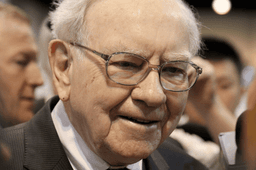
- Buffett's Investment Returns: From 1965 to 2025, Berkshire Hathaway achieved an average annual return of approximately 20%, significantly outperforming the S&P 500's 10.3%, indicating Buffett's investment strategy has excelled over the long term, reinforcing the company's market leadership.
- Signs of DaVita's Recovery: DaVita exceeded expectations in its latest quarterly results and projected earnings per share between $13.60 and $15 for 2026, with shares surging over 30% since the earnings release, presenting an opportunity for investors to reassess its value, especially as it historically traded at 13 to 14 times forward earnings.
- Investment Opportunity in Kraft Heinz: Despite Berkshire's losses in Kraft Heinz, the stock currently trades at a mere 9 times forward earnings, below peers, and the company's plan to split into two entities could unlock significant value, attracting new investors' interest.
- Cautious Approach to UnitedHealth Group: Although Berkshire purchased 5 million shares of UnitedHealth last year, the stock has dropped from $350 to around $280 due to lower-than-expected Medicare payment increases, with a current P/E ratio of 16, which is still above peers, prompting investors to consider their buying strategy carefully.
See More

Key Earnings Reports and Economic Outlook This Week

- DuPont Earnings Expectations: DuPont is expected to report earnings of $0.43 per share and revenue of $1.69 billion for Q4 2025, with analysts noting ongoing pressure in short-cycle businesses, while slight improvements in the automotive sector may influence investor sentiment.
- Cisco's AI Focus: Cisco anticipates earnings of $1.02 per share and revenue of $15.1 billion for Q2 FY2026, with CEO highlighting a major multi-year campus networking refresh, making AI infrastructure demand a critical growth driver.
- Importance of Employment Report: The January employment report is expected to show an addition of 80,000 nonfarm payrolls and an unchanged unemployment rate of 4.4%, directly impacting private consumption and U.S. GDP, making it crucial for investors to monitor.
- Consumer Price Index Insights: The January CPI is projected to increase by 2.5% year-over-year, with core CPI rising by 2.6%, providing essential inflation details despite not being the Fed's preferred measure, particularly regarding persistent shelter cost inflation.
See More

Key Focus Areas This Week: Jobs, Consumer Prices, Coca-Cola, CVS, Ford, McDonald's, and More

- Market Performance: The Dow Jones Industrial Average rose by 2.5% and closed above 50,000 for the first time.
- Nasdaq Struggles: In contrast, the Nasdaq Composite ended the week down 1.8%, despite a strong rally on Friday.
See More

U.S. Jobs and Inflation Data Set for Release


- Job Data Expectations: The U.S. is expected to add 60,000 jobs in January, up from 50,000 in December, which could influence the Fed's monetary policy direction amidst ongoing economic uncertainty.
- Inflation Metrics Analysis: The January Consumer Price Index is projected to rise by 0.29% month-over-month and 2.5% year-over-year, showing improvement but still falling short of the Fed's 2% target, potentially affecting investor rate expectations.
- Market Reaction and Risks: Recent signs of labor market weakness, including an ADP report indicating only 22,000 new private sector jobs, may heighten expectations for further Fed rate cuts, although investors remain optimistic about economic resilience.
- Stock Market Rotation Trend: A significant rotation within the stock market is underway, with the Dow Jones Industrial Average rising over 2% this week, reflecting confidence in economic recovery, despite ongoing weakness in tech stocks.
See More
Buffett's Investment Strategy and Market Dynamics
- Buffett's Leadership Achievements: Buffett served as CEO of Berkshire Hathaway from 1965, achieving an average annual stock price increase of about 20%, significantly outperforming the S&P 500's 10.3%, highlighting the success and sustainability of his investment strategies.
- Signs of DaVita's Recovery: DaVita exceeded expectations in its latest quarterly results and provided 2026 earnings guidance between $13.60 and $15, with shares surging over 30% since the earnings release, indicating restored market confidence and future growth potential.
- Investment Opportunity in Kraft Heinz: Despite Berkshire's losses in Kraft Heinz, the current market cap of around $7.5 billion and a forward P/E of 9 attract new investors, especially as the company plans to split to unlock value, reminiscent of Kellogg's successful separation strategy.
- Cautious Stance on UnitedHealth Group: Although Berkshire purchased 5 million shares last year, the stock has fallen from $350 to around $280 due to lower-than-expected Medicare payment increases, prompting investors to think twice before buying the dip given the potential for further multiple compression.
See More
DaVita's Earnings Beat Expectations, Signs of Recovery Ahead
- Strong Earnings Performance: DaVita's latest quarterly results exceeded expectations, with projected earnings per share between $13.60 and $15 for 2026, resulting in a current price-to-earnings ratio of only 9 times, indicating potential for future growth and attracting investor interest.
- Stock Price Rebound: Since the earnings release, DaVita's stock has surged over 30%, reflecting market recognition of its performance and potentially providing room for multiple expansion, as it previously traded at 13 to 14 times forward earnings.
- Buffett's Investment Strategy: Despite Berkshire Hathaway's losses on its Kraft Heinz investment, currently valued at around $7.5 billion, the planned split into two entities may present opportunities for new investors, especially as Kraft Heinz trades at a mere 9 times forward earnings, below peers.
- Healthcare Sector Challenges: UnitedHealth Group's stock has fallen from $350 to around $280, primarily due to the U.S. government's lower-than-expected Medicare payment increases; although Buffett had previously purchased shares, the current 16 times forward earnings ratio indicates market concerns about its growth trajectory, warranting caution for investors.
See More
Analysis of Buffett's Investment Strategies
- Buffett's Investment Returns: From 1965 to 2025, Berkshire Hathaway achieved an average annual return of approximately 20%, significantly outperforming the S&P 500's 10.3%, indicating Buffett's investment strategy has excelled over the long term, reinforcing the company's market leadership.
- Signs of DaVita's Recovery: DaVita exceeded expectations in its latest quarterly results and projected earnings per share between $13.60 and $15 for 2026, with shares surging over 30% since the earnings release, presenting an opportunity for investors to reassess its value, especially as it historically traded at 13 to 14 times forward earnings.
- Investment Opportunity in Kraft Heinz: Despite Berkshire's losses in Kraft Heinz, the stock currently trades at a mere 9 times forward earnings, below peers, and the company's plan to split into two entities could unlock significant value, attracting new investors' interest.
- Cautious Approach to UnitedHealth Group: Although Berkshire purchased 5 million shares of UnitedHealth last year, the stock has dropped from $350 to around $280 due to lower-than-expected Medicare payment increases, with a current P/E ratio of 16, which is still above peers, prompting investors to consider their buying strategy carefully.
See More
Key Earnings Reports and Economic Outlook This Week
- DuPont Earnings Expectations: DuPont is expected to report earnings of $0.43 per share and revenue of $1.69 billion for Q4 2025, with analysts noting ongoing pressure in short-cycle businesses, while slight improvements in the automotive sector may influence investor sentiment.
- Cisco's AI Focus: Cisco anticipates earnings of $1.02 per share and revenue of $15.1 billion for Q2 FY2026, with CEO highlighting a major multi-year campus networking refresh, making AI infrastructure demand a critical growth driver.
- Importance of Employment Report: The January employment report is expected to show an addition of 80,000 nonfarm payrolls and an unchanged unemployment rate of 4.4%, directly impacting private consumption and U.S. GDP, making it crucial for investors to monitor.
- Consumer Price Index Insights: The January CPI is projected to increase by 2.5% year-over-year, with core CPI rising by 2.6%, providing essential inflation details despite not being the Fed's preferred measure, particularly regarding persistent shelter cost inflation.
See More
Key Focus Areas This Week: Jobs, Consumer Prices, Coca-Cola, CVS, Ford, McDonald's, and More
- Market Performance: The Dow Jones Industrial Average rose by 2.5% and closed above 50,000 for the first time.
- Nasdaq Struggles: In contrast, the Nasdaq Composite ended the week down 1.8%, despite a strong rally on Friday.
See More
U.S. Jobs and Inflation Data Set for Release
- Job Data Expectations: The U.S. is expected to add 60,000 jobs in January, up from 50,000 in December, which could influence the Fed's monetary policy direction amidst ongoing economic uncertainty.
- Inflation Metrics Analysis: The January Consumer Price Index is projected to rise by 0.29% month-over-month and 2.5% year-over-year, showing improvement but still falling short of the Fed's 2% target, potentially affecting investor rate expectations.
- Market Reaction and Risks: Recent signs of labor market weakness, including an ADP report indicating only 22,000 new private sector jobs, may heighten expectations for further Fed rate cuts, although investors remain optimistic about economic resilience.
- Stock Market Rotation Trend: A significant rotation within the stock market is underway, with the Dow Jones Industrial Average rising over 2% this week, reflecting confidence in economic recovery, despite ongoing weakness in tech stocks.
See More