Brazil Potash Secures SUFRAMA Registration, Anticipates $94 Million Tax Savings
- Registration Milestone: Brazil Potash's wholly-owned subsidiary has received SUFRAMA registration, marking strong federal government support for the critical mineral project in the Amazon region, thereby reducing project risks.
- Tax Incentives: The company estimates that access to SUFRAMA-administered federal tax incentives could yield approximately $94 million in tax savings during the construction phase, enhancing the feasibility of the project's economic model and improving financial transparency.
- Government Support: The SUFRAMA registration certificate was presented at a formal ceremony, highlighting the ongoing support from the Brazilian federal government for the Autazes Project, which further solidifies the collaborative relationship between the company and the government.
- Strategic Development: With the registration, Brazil Potash is now eligible to apply for various federal tax incentives, which is expected to facilitate project construction and reduce Brazil's reliance on potash imports, thereby contributing to national food security.
Trade with 70% Backtested Accuracy
Analyst Views on GRO

About GRO
About the author

Brazil Potash Secures SUFRAMA Registration, Anticipates $94 Million Tax Savings

- Registration Milestone: Brazil Potash's wholly-owned subsidiary has received SUFRAMA registration, marking strong federal government support for the critical mineral project in the Amazon region, thereby reducing project risks.
- Tax Incentives: The company estimates that access to SUFRAMA-administered federal tax incentives could yield approximately $94 million in tax savings during the construction phase, enhancing the feasibility of the project's economic model and improving financial transparency.
- Government Support: The SUFRAMA registration certificate was presented at a formal ceremony, highlighting the ongoing support from the Brazilian federal government for the Autazes Project, which further solidifies the collaborative relationship between the company and the government.
- Strategic Development: With the registration, Brazil Potash is now eligible to apply for various federal tax incentives, which is expected to facilitate project construction and reduce Brazil's reliance on potash imports, thereby contributing to national food security.
Brazil is Creating a Fertilizer Weapon for Trade Conflicts in the Amazon

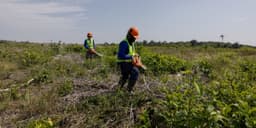
Location and Activity: Workers in Autazes, Brazil, are preparing to dig a vertical shaft deep into the ground in the Amazon rainforest.
Resource Extraction: The excavation is aimed at accessing fertilizer, which is considered highly valuable for Brazil's agricultural sector, rather than traditional resources like gold or oil.

Brazil Potash Appoints BTIG to Oversee Project-Level Equity Financing for Construction, Aiming to Reduce Shareholder Dilution
Equity Investment Strategy: Brazil Potash Corp. has appointed BTIG, LLC as its lead financial advisor to secure equity investment at the project level for the Autazes Project, aiming to raise construction capital while minimizing dilution for existing shareholders.
Project Significance: The Autazes Project is positioned to supply sustainable fertilizers to Brazil, which currently relies heavily on potash imports, and aims to produce up to 2.4 million tons of potash annually, potentially meeting 20% of the country's demand.
Environmental Commitment: The project is expected to reduce Brazil's reliance on potash imports and mitigate approximately 1.4 million tons of greenhouse gas emissions per year through its production and transportation methods.
Forward-Looking Statements Caution: The announcement includes forward-looking statements that involve risks and uncertainties, emphasizing that actual results may differ from expectations due to various operational and market factors.
Brazil Potash Hires Advisor to Access Global Funding Opportunities
Appointment of Financial Advisor: Brazil Potash Corp. has appointed BTIG, LLC as its lead financial advisor to secure equity investment for project construction, aiming to minimize shareholder dilution.
Strategic Partnerships: BTIG will help Brazil Potash find new strategic partners for investment, complementing ongoing discussions with parties in Brazil, China, and other regions.
Capital Structure Optimization: The company is exploring various ways to optimize its capital structure, including partnerships like the recent collaboration with Fictor Energia for power transmission infrastructure.
Recent Developments: Brazil Potash has finalized its third commercial offtake deal with Potássio do Brasil Ltda and Kimia Solutions Ltda, while its shares are currently trading lower by 3.23%.

Global Potash Market Projected to Hit $93.5 Billion by 2032 Amid Strong Industry Growth

Global Potash Market Growth: The global potash market is projected to grow significantly, driven by increasing food demand due to population growth, with an estimated market size of USD 93.5 billion by 2032, growing at a CAGR of 5.3%.
U.S. Agricultural Demand: The U.S. agricultural sector shows strong and consistent demand for potash, essential for crop productivity, influenced by factors such as major crop cultivation, soil fertility, and technological advancements.
Brazil Potash Agreements: Brazil Potash Corp. has secured 91% of its future production through binding take-or-pay agreements, enhancing its project financing and supporting Brazil's goal of fertilizer autonomy.
Recent Developments in Mining: Companies like Millennial Potash Corp. and Nutrien Ltd. are making significant advancements in potash exploration and financial reporting, indicating a robust interest in the potash market and its potential for growth.
Brazil Potash Secures 91% of Future Production Sales, Advancing Construction Financing Stage
Final Offtake Agreement: Brazil Potash Corp. has secured its third and final definitive commercial offtake agreement with Kimia Solutions, committing to a 10-year take-or-pay contract for up to 704,000 tons of potash annually, which enhances project financing prospects.
Production Commitments: The combined commitments from all three major agreements now account for approximately 91% of Brazil Potash's planned production, ensuring over 2 million tons of annual sales for up to 17 years.
Strategic Impact: This agreement supports Brazil's goal of fertilizer autonomy by providing a reliable domestic source of potash, reducing import dependency, and enhancing the agricultural supply chain.
Infrastructure and Financing: The agreement, along with a recent MOU for power line construction funding, significantly de-risks the commercial and infrastructure components of the Autazes Project, positioning Brazil Potash for future growth.
Brazil Potash Secures SUFRAMA Registration, Anticipates $94 Million Tax Savings
- Registration Milestone: Brazil Potash's wholly-owned subsidiary has received SUFRAMA registration, marking strong federal government support for the critical mineral project in the Amazon region, thereby reducing project risks.
- Tax Incentives: The company estimates that access to SUFRAMA-administered federal tax incentives could yield approximately $94 million in tax savings during the construction phase, enhancing the feasibility of the project's economic model and improving financial transparency.
- Government Support: The SUFRAMA registration certificate was presented at a formal ceremony, highlighting the ongoing support from the Brazilian federal government for the Autazes Project, which further solidifies the collaborative relationship between the company and the government.
- Strategic Development: With the registration, Brazil Potash is now eligible to apply for various federal tax incentives, which is expected to facilitate project construction and reduce Brazil's reliance on potash imports, thereby contributing to national food security.
Brazil is Creating a Fertilizer Weapon for Trade Conflicts in the Amazon
Location and Activity: Workers in Autazes, Brazil, are preparing to dig a vertical shaft deep into the ground in the Amazon rainforest.
Resource Extraction: The excavation is aimed at accessing fertilizer, which is considered highly valuable for Brazil's agricultural sector, rather than traditional resources like gold or oil.
Brazil Potash Appoints BTIG to Oversee Project-Level Equity Financing for Construction, Aiming to Reduce Shareholder Dilution
Equity Investment Strategy: Brazil Potash Corp. has appointed BTIG, LLC as its lead financial advisor to secure equity investment at the project level for the Autazes Project, aiming to raise construction capital while minimizing dilution for existing shareholders.
Project Significance: The Autazes Project is positioned to supply sustainable fertilizers to Brazil, which currently relies heavily on potash imports, and aims to produce up to 2.4 million tons of potash annually, potentially meeting 20% of the country's demand.
Environmental Commitment: The project is expected to reduce Brazil's reliance on potash imports and mitigate approximately 1.4 million tons of greenhouse gas emissions per year through its production and transportation methods.
Forward-Looking Statements Caution: The announcement includes forward-looking statements that involve risks and uncertainties, emphasizing that actual results may differ from expectations due to various operational and market factors.
Brazil Potash Hires Advisor to Access Global Funding Opportunities
Appointment of Financial Advisor: Brazil Potash Corp. has appointed BTIG, LLC as its lead financial advisor to secure equity investment for project construction, aiming to minimize shareholder dilution.
Strategic Partnerships: BTIG will help Brazil Potash find new strategic partners for investment, complementing ongoing discussions with parties in Brazil, China, and other regions.
Capital Structure Optimization: The company is exploring various ways to optimize its capital structure, including partnerships like the recent collaboration with Fictor Energia for power transmission infrastructure.
Recent Developments: Brazil Potash has finalized its third commercial offtake deal with Potássio do Brasil Ltda and Kimia Solutions Ltda, while its shares are currently trading lower by 3.23%.
Global Potash Market Projected to Hit $93.5 Billion by 2032 Amid Strong Industry Growth
Global Potash Market Growth: The global potash market is projected to grow significantly, driven by increasing food demand due to population growth, with an estimated market size of USD 93.5 billion by 2032, growing at a CAGR of 5.3%.
U.S. Agricultural Demand: The U.S. agricultural sector shows strong and consistent demand for potash, essential for crop productivity, influenced by factors such as major crop cultivation, soil fertility, and technological advancements.
Brazil Potash Agreements: Brazil Potash Corp. has secured 91% of its future production through binding take-or-pay agreements, enhancing its project financing and supporting Brazil's goal of fertilizer autonomy.
Recent Developments in Mining: Companies like Millennial Potash Corp. and Nutrien Ltd. are making significant advancements in potash exploration and financial reporting, indicating a robust interest in the potash market and its potential for growth.
Brazil Potash Secures 91% of Future Production Sales, Advancing Construction Financing Stage
Final Offtake Agreement: Brazil Potash Corp. has secured its third and final definitive commercial offtake agreement with Kimia Solutions, committing to a 10-year take-or-pay contract for up to 704,000 tons of potash annually, which enhances project financing prospects.
Production Commitments: The combined commitments from all three major agreements now account for approximately 91% of Brazil Potash's planned production, ensuring over 2 million tons of annual sales for up to 17 years.
Strategic Impact: This agreement supports Brazil's goal of fertilizer autonomy by providing a reliable domestic source of potash, reducing import dependency, and enhancing the agricultural supply chain.
Infrastructure and Financing: The agreement, along with a recent MOU for power line construction funding, significantly de-risks the commercial and infrastructure components of the Autazes Project, positioning Brazil Potash for future growth.