Best Performing Leveraged ETFs of the Past Week


Market Performance: Wall Street experienced positive momentum last week, with the S&P 500, Dow Jones, and Nasdaq all posting gains, driven by expectations of a potential interest rate cut by the Federal Reserve and reduced recession fears.
ETF Highlights: Several leveraged ETFs saw significant increases, including those focused on homebuilders, regional banks, electric vehicles, Bitcoin, and uranium, largely influenced by favorable economic indicators and specific market developments.
Trade with 70% Backtested Accuracy
Analyst Views on NAIL


No data
About the author


Mortgage rates barely changed, continues to stay under 7%


Current Mortgage Rates: Mortgage rates remain stable, with 30-year fixed-rate mortgages averaging 6.67% and 15-year fixed-rate mortgages at 5.83%, both lower than the previous year.
Impact of Federal Reserve Decisions: The Federal Reserve's decision to keep interest rates unchanged has contributed to the sustained mortgage rates under 7%, benefiting potential home buyers and sellers.
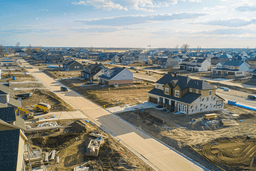
Homebuilder ETFs Await Clearer Signals Amid Housing Market Uncertainty

U.S. Housing Market Rebound: The U.S. housing market experienced an 11.4% increase in single-family homebuilding in February, reaching an annual rate of 1.108 million units, although homebuilder ETFs have struggled over the past year due to high mortgage rates and economic uncertainty.
Investment Considerations: While there are signs of recovery in the housing sector, including falling mortgage rates, challenges such as tariffs, labor shortages, and cautious developer sentiment remain, prompting investors to carefully assess their risk tolerance before investing in homebuilder ETFs.
Mortgage rates 'essentially flat' from last week despite market volatility


Current Mortgage Rates: Mortgage rates have remained stable, with 30-year fixed-rate mortgages averaging 6.65% and 15-year fixed-rate mortgages at 5.80%, showing slight increases from the previous week but decreases compared to last year.
Market Response: The combination of lower mortgage rates and improved inventory has led to a 5% increase in purchase applications year-over-year, indicating positive trends for homebuyers during the spring season.
Long-term mortgage rates see largest weekly decline since mid-September


Mortgage Rate Decline: Long-term mortgage rates have experienced their largest weekly drop in six months, with 30-year fixed-rate mortgages averaging 6.63% and 15-year fixed-rate mortgages at 5.79%, encouraging higher refinancing activities.
Increased Purchasing Power: The decrease in mortgage rates is enhancing homebuyers' purchasing power and has led to a surge in refinancing applications, which reached nearly 44%, the highest since mid-December.
Homebuilder stocks trade in green on tariff-relief deal prospects
Tariff Relief and Homebuilder Stocks: Homebuilder stocks are experiencing gains as President Trump considers exempting tariffs on certain products from Canada and Mexico, which could provide relief under the USMCA trade agreement. However, many homebuilding stocks have struggled recently, with significant declines over the past six months.
Impact of Tariffs on Housing Costs: New tariffs are expected to raise costs for builders significantly, potentially adding between $7,500 to $10,000 per home due to increased prices for lumber and other materials, exacerbating the ongoing housing affordability crisis in the U.S.
Mortgage rates hit a two-month low

Mortgage Rate Trends: Mortgage rates have decreased to their lowest level in over two months, with 30-year fixed-rate mortgages averaging 6.76% and 15-year fixed-rate mortgages at 5.94%.
Market Implications: The decline in mortgage rates, along with improving inventory, is seen as a positive development for homebuyers, despite ongoing challenges such as rising home prices and falling mortgage applications.
Mortgage rates barely changed, continues to stay under 7%
Current Mortgage Rates: Mortgage rates remain stable, with 30-year fixed-rate mortgages averaging 6.67% and 15-year fixed-rate mortgages at 5.83%, both lower than the previous year.
Impact of Federal Reserve Decisions: The Federal Reserve's decision to keep interest rates unchanged has contributed to the sustained mortgage rates under 7%, benefiting potential home buyers and sellers.
Homebuilder ETFs Await Clearer Signals Amid Housing Market Uncertainty
U.S. Housing Market Rebound: The U.S. housing market experienced an 11.4% increase in single-family homebuilding in February, reaching an annual rate of 1.108 million units, although homebuilder ETFs have struggled over the past year due to high mortgage rates and economic uncertainty.
Investment Considerations: While there are signs of recovery in the housing sector, including falling mortgage rates, challenges such as tariffs, labor shortages, and cautious developer sentiment remain, prompting investors to carefully assess their risk tolerance before investing in homebuilder ETFs.
Mortgage rates 'essentially flat' from last week despite market volatility
Current Mortgage Rates: Mortgage rates have remained stable, with 30-year fixed-rate mortgages averaging 6.65% and 15-year fixed-rate mortgages at 5.80%, showing slight increases from the previous week but decreases compared to last year.
Market Response: The combination of lower mortgage rates and improved inventory has led to a 5% increase in purchase applications year-over-year, indicating positive trends for homebuyers during the spring season.
Long-term mortgage rates see largest weekly decline since mid-September
Mortgage Rate Decline: Long-term mortgage rates have experienced their largest weekly drop in six months, with 30-year fixed-rate mortgages averaging 6.63% and 15-year fixed-rate mortgages at 5.79%, encouraging higher refinancing activities.
Increased Purchasing Power: The decrease in mortgage rates is enhancing homebuyers' purchasing power and has led to a surge in refinancing applications, which reached nearly 44%, the highest since mid-December.
Homebuilder stocks trade in green on tariff-relief deal prospects
Tariff Relief and Homebuilder Stocks: Homebuilder stocks are experiencing gains as President Trump considers exempting tariffs on certain products from Canada and Mexico, which could provide relief under the USMCA trade agreement. However, many homebuilding stocks have struggled recently, with significant declines over the past six months.
Impact of Tariffs on Housing Costs: New tariffs are expected to raise costs for builders significantly, potentially adding between $7,500 to $10,000 per home due to increased prices for lumber and other materials, exacerbating the ongoing housing affordability crisis in the U.S.
Mortgage rates hit a two-month low
Mortgage Rate Trends: Mortgage rates have decreased to their lowest level in over two months, with 30-year fixed-rate mortgages averaging 6.76% and 15-year fixed-rate mortgages at 5.94%.
Market Implications: The decline in mortgage rates, along with improving inventory, is seen as a positive development for homebuyers, despite ongoing challenges such as rising home prices and falling mortgage applications.