Ben & Jerry's Removes Three Board Members as Magnum Strengthens Governance Policies Following Lackluster Market Launch

Governance Changes at Ben & Jerry's: Ben & Jerry's has removed three members from its independent board as part of new governance practices, including a nine-year tenure limit for board members, following its spinoff from Unilever.
Power Struggle and Criticism: Co-founder Ben Cohen criticized the governance changes as a "blatant power grab" by Magnum Ice Cream, which he claims undermines the brand's social mission established after its acquisition by Unilever.
Co-Founder Departure: The governance shake-up coincides with the departure of co-founder Jerry Greenfield, who left under pressure from Unilever to remain silent about his personal values, leaving Cohen feeling devastated.
Market Performance and Dividend Delay: Magnum's IPO has faced challenges, including a delay in dividend payments until at least 2027, but some analysts remain optimistic about the company's future performance, as its stock has seen a modest increase since its debut.
Trade with 70% Backtested Accuracy
Analyst Views on UL

About UL
About the author

Super Bowl LX: Seahawks Defeat Patriots 29-13


- Game Outcome: On February 8, 2026, Super Bowl LX saw the Seattle Seahawks defeat the New England Patriots 29-13, with 30 of the 42 total points scored in the fourth quarter, highlighting the game's intensity and enhancing the Seahawks' brand image.
- Ad Performance: According to USA Today's Ad Meter, brands like Anheuser-Busch, Lay's, and Dunkin' resonated well with viewers again this year, indicating effective emotional and comedic messaging strategies that continue to engage audiences.
- Viewer Feedback: Some ads featuring AI tools failed to win over viewers, reflecting a limited acceptance of technology-driven advertising among consumers, suggesting that companies need to reassess their advertising strategies to improve effectiveness.
- Market Impact: The Super Bowl remains a crucial platform for brand marketing, where successful ads can significantly boost brand visibility and directly influence sales performance, prompting companies to increase their advertising budgets in future campaigns.
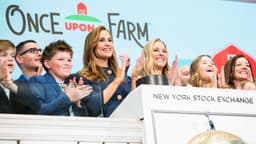
Once Upon a Farm Successfully Goes Public
- IPO Debut Performance: Once Upon a Farm debuted on the NYSE with an opening price of $21 per share, reflecting a 16% increase from its IPO price, and surged 20% in afternoon trading, indicating strong market recognition of its brand.
- Funding Scale and Valuation: The IPO was priced at $18 per share, with approximately 11 million shares sold, raising $197.9 million and valuing the company at $724 million, showcasing investor confidence in the organic children's nutrition market.
- Sales Growth and Financial Status: In 2024, Once Upon a Farm reported net sales of $156.8 million, a 66% increase year-over-year, although losses widened from $17.6 million to $23.8 million, still reflecting robust market demand and growth potential.
- Strategic Development Direction: As a public benefit corporation, Once Upon a Farm plans to use IPO proceeds to pay down debt, purchase new equipment, and support corporate operations, aiming to drive systemic change in childhood nutrition, demonstrating a strong commitment to its long-term strategic goals.

Once Upon a Farm Debuts on NYSE, Raising Nearly $200 Million
- Strong Market Debut: Once Upon a Farm made its public debut on the NYSE on Friday, opening at $21 per share, which is a 16% increase from its IPO price of $18, indicating robust market demand.
- Significant Fundraising: The IPO raised approximately $197.9 million by selling around 11 million shares, valuing the company at $724 million, reflecting investor confidence in the organic children's nutrition sector.
- Favorable Market Trends: Amidst a consumer and policy pushback against ultra-processed foods, Once Upon a Farm recorded net sales of $156.8 million in 2024, a 66% increase from the previous year, despite widening losses to $23.8 million, showcasing strong growth potential.
- Clear Strategic Goals: As a public benefit corporation, Once Upon a Farm aims to drive systemic change in childhood nutrition, planning to use IPO proceeds to pay down debt, purchase new equipment, and fund general corporate purposes, demonstrating its commitment to long-term growth.

Disney Achieves $10 Billion Quarterly Revenue for First Time
- Earnings Beat: Disney's fiscal first-quarter report exceeded analyst expectations on both revenue and earnings, resulting in a 3% increase in share price, reflecting market confidence in its financial health.
- Experience Economy Growth: The company's experiences division, which includes theme parks, resorts, and cruises, achieved quarterly revenue of $10 billion for the first time, indicating strong consumer demand for entertainment experiences that drive overall performance.
- CEO Succession Uncertainty: With the announcement of CEO Bob Iger's successor imminent, Disney's board is set to meet this week to vote on the new leader, a decision that could significantly impact the company's future strategic direction.
- Industry Dynamics: Disney's earnings report kicks off a busy week for earnings, with upcoming reports from PepsiCo, Chipotle, Alphabet, and Amazon, making it crucial for investors to monitor these companies' performance.

Disney Achieves $10 Billion Quarterly Revenue for First Time

- Disney Earnings Highlight: Disney's first fiscal quarter report exceeded analyst expectations, with shares rising 3%, notably achieving $10 billion in quarterly revenue for its experiences division, showcasing strong performance in theme parks and resorts, thereby reinforcing its leadership in the entertainment sector.
- Market Turbulence Impact: Despite the three major indexes rising overall in January, stock futures slid before the opening bell due to sell-offs on Friday, reflecting investor concerns about market volatility, particularly in precious metals and cryptocurrencies.
- Government Shutdown Risk: The U.S. government partially shut down after Congress failed to pass a funding bill, with the House expected to discuss the Senate-approved spending package today, which could have short-term implications for market sentiment if passed.
- Food Industry Restructuring Trend: As regulatory scrutiny intensifies and consumer demand for processed goods declines, food producers like Kraft Heinz and Keurig Dr Pepper plan to split or divest underperforming businesses, indicating a trend of consolidation and optimization within the industry, with 42% of M&A executives in the consumer sector preparing to sell assets in the next three years.

Kraft Heinz Announces Split into Two Companies
- Split Announcement: Kraft Heinz has announced plans to split into two independently traded companies later this year, reversing the 2015 merger with Heinz, reflecting a strategic response to changing market demands.
- Market Pressure: As consumers and regulators push back against ultra-processed foods, many large food companies are divesting underperforming brands, with Kraft Heinz's split being a direct response to this trend.
- Sales Decline: Over the past decade, consumer demand for grocery items from the inner aisles has decreased, leading to slowing sales for Kraft Heinz, whose stock has plummeted 73% since the merger.
- Industry Trend: According to Bain's survey, nearly half of M&A activity in the consumer products sector in 2024 will stem from divestitures, indicating that large food companies are reassessing their portfolios to tackle market challenges.
Super Bowl LX: Seahawks Defeat Patriots 29-13
- Game Outcome: On February 8, 2026, Super Bowl LX saw the Seattle Seahawks defeat the New England Patriots 29-13, with 30 of the 42 total points scored in the fourth quarter, highlighting the game's intensity and enhancing the Seahawks' brand image.
- Ad Performance: According to USA Today's Ad Meter, brands like Anheuser-Busch, Lay's, and Dunkin' resonated well with viewers again this year, indicating effective emotional and comedic messaging strategies that continue to engage audiences.
- Viewer Feedback: Some ads featuring AI tools failed to win over viewers, reflecting a limited acceptance of technology-driven advertising among consumers, suggesting that companies need to reassess their advertising strategies to improve effectiveness.
- Market Impact: The Super Bowl remains a crucial platform for brand marketing, where successful ads can significantly boost brand visibility and directly influence sales performance, prompting companies to increase their advertising budgets in future campaigns.
Once Upon a Farm Successfully Goes Public
- IPO Debut Performance: Once Upon a Farm debuted on the NYSE with an opening price of $21 per share, reflecting a 16% increase from its IPO price, and surged 20% in afternoon trading, indicating strong market recognition of its brand.
- Funding Scale and Valuation: The IPO was priced at $18 per share, with approximately 11 million shares sold, raising $197.9 million and valuing the company at $724 million, showcasing investor confidence in the organic children's nutrition market.
- Sales Growth and Financial Status: In 2024, Once Upon a Farm reported net sales of $156.8 million, a 66% increase year-over-year, although losses widened from $17.6 million to $23.8 million, still reflecting robust market demand and growth potential.
- Strategic Development Direction: As a public benefit corporation, Once Upon a Farm plans to use IPO proceeds to pay down debt, purchase new equipment, and support corporate operations, aiming to drive systemic change in childhood nutrition, demonstrating a strong commitment to its long-term strategic goals.
Once Upon a Farm Debuts on NYSE, Raising Nearly $200 Million
- Strong Market Debut: Once Upon a Farm made its public debut on the NYSE on Friday, opening at $21 per share, which is a 16% increase from its IPO price of $18, indicating robust market demand.
- Significant Fundraising: The IPO raised approximately $197.9 million by selling around 11 million shares, valuing the company at $724 million, reflecting investor confidence in the organic children's nutrition sector.
- Favorable Market Trends: Amidst a consumer and policy pushback against ultra-processed foods, Once Upon a Farm recorded net sales of $156.8 million in 2024, a 66% increase from the previous year, despite widening losses to $23.8 million, showcasing strong growth potential.
- Clear Strategic Goals: As a public benefit corporation, Once Upon a Farm aims to drive systemic change in childhood nutrition, planning to use IPO proceeds to pay down debt, purchase new equipment, and fund general corporate purposes, demonstrating its commitment to long-term growth.
Disney Achieves $10 Billion Quarterly Revenue for First Time
- Earnings Beat: Disney's fiscal first-quarter report exceeded analyst expectations on both revenue and earnings, resulting in a 3% increase in share price, reflecting market confidence in its financial health.
- Experience Economy Growth: The company's experiences division, which includes theme parks, resorts, and cruises, achieved quarterly revenue of $10 billion for the first time, indicating strong consumer demand for entertainment experiences that drive overall performance.
- CEO Succession Uncertainty: With the announcement of CEO Bob Iger's successor imminent, Disney's board is set to meet this week to vote on the new leader, a decision that could significantly impact the company's future strategic direction.
- Industry Dynamics: Disney's earnings report kicks off a busy week for earnings, with upcoming reports from PepsiCo, Chipotle, Alphabet, and Amazon, making it crucial for investors to monitor these companies' performance.
Disney Achieves $10 Billion Quarterly Revenue for First Time
- Disney Earnings Highlight: Disney's first fiscal quarter report exceeded analyst expectations, with shares rising 3%, notably achieving $10 billion in quarterly revenue for its experiences division, showcasing strong performance in theme parks and resorts, thereby reinforcing its leadership in the entertainment sector.
- Market Turbulence Impact: Despite the three major indexes rising overall in January, stock futures slid before the opening bell due to sell-offs on Friday, reflecting investor concerns about market volatility, particularly in precious metals and cryptocurrencies.
- Government Shutdown Risk: The U.S. government partially shut down after Congress failed to pass a funding bill, with the House expected to discuss the Senate-approved spending package today, which could have short-term implications for market sentiment if passed.
- Food Industry Restructuring Trend: As regulatory scrutiny intensifies and consumer demand for processed goods declines, food producers like Kraft Heinz and Keurig Dr Pepper plan to split or divest underperforming businesses, indicating a trend of consolidation and optimization within the industry, with 42% of M&A executives in the consumer sector preparing to sell assets in the next three years.
Kraft Heinz Announces Split into Two Companies
- Split Announcement: Kraft Heinz has announced plans to split into two independently traded companies later this year, reversing the 2015 merger with Heinz, reflecting a strategic response to changing market demands.
- Market Pressure: As consumers and regulators push back against ultra-processed foods, many large food companies are divesting underperforming brands, with Kraft Heinz's split being a direct response to this trend.
- Sales Decline: Over the past decade, consumer demand for grocery items from the inner aisles has decreased, leading to slowing sales for Kraft Heinz, whose stock has plummeted 73% since the merger.
- Industry Trend: According to Bain's survey, nearly half of M&A activity in the consumer products sector in 2024 will stem from divestitures, indicating that large food companies are reassessing their portfolios to tackle market challenges.