As China's Stimulus Hype Wanes, Beijing Reportedly Weighs $850B Special Treasury Bonds To Stimulate Economy And Tackle Local Debt

China's Fiscal Stimulus Plans: China is considering issuing 6 trillion yuan (about $850 billion) in ultra-long special treasury bonds over the next three years to stimulate its slowing economy and assist local governments with hidden debts.
Market Reactions: Investor sentiment has been negatively impacted by recent high-level briefings from Chinese authorities that failed to deliver expected substantial economic measures, leading to declines in U.S.-listed Chinese stocks and electric vehicle companies.
Trade with 70% Backtested Accuracy
Analyst Views on MCHI


No data
About the author

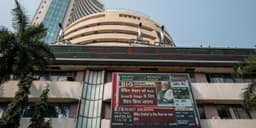
India and Brazil: The Anti-AI Trade Markets Poised for Growth.


- Impact on U.S. Stocks: Rising fears over artificial intelligence have negatively affected U.S. stock markets this week.
- Emerging Markets Response: Concerns about AI have also influenced emerging markets that have benefited from U.S. corporate spending on AI.
- Potential Hedge: Certain segments of emerging markets may provide a hedge against the overall market weakness caused by AI fears.
- Broader Market Implications: The situation highlights the interconnectedness of U.S. corporate spending and global market dynamics in the context of AI developments.

The Future of Chinese Stocks and Economy Depends on the U.S.

- China's Economic Outlook: The performance of China's economy and stock market in 2026 is uncertain and may hinge on external factors.
- Influence of the U.S. Economy: The strength of the U.S. economy will play a significant role in determining China's economic success in the coming years.

MCHI Options Trading Kicks Off in the First Week of August 2026

Put Contract Overview: The $57.00 put contract has a bid of $2.65, allowing investors to buy MCHI shares at a cost basis of $54.35, representing a 6% discount from the current price of $60.69, with a 65% chance of expiring worthless.
YieldBoost Potential: If the put contract expires worthless, it could yield a 4.65% return on cash commitment, or 6.93% annualized, referred to as YieldBoost.
Call Contract Overview: The $65.00 call contract has a bid of $3.10, offering a potential total return of 12.21% if the stock is called away by August 2026, while also having a 58% chance of expiring worthless.
YieldBoost for Calls: Should the covered call expire worthless, it would provide a 5.11% additional return, or 7.61% annualized, also termed YieldBoost, with both contracts showing an implied volatility of approximately 27%.

MCHI Flooded with Sellers
RSI Comparison: The iShares MSCI China (MCHI) has an RSI reading of 29.4, indicating potential overselling, while the S&P 500's RSI is at 46.3.
Investment Opportunity: A bullish investor may interpret MCHI's low RSI as a sign that selling pressure is waning, suggesting possible buying opportunities.
52-Week Performance: MCHI's shares have a 52-week low of $43.70 and a high of $67.37, with the last trade recorded at $59.47, reflecting a 2.4% decline for the day.
Author's Opinion Disclaimer: The views expressed in the article are those of the author and do not necessarily represent the opinions of Nasdaq, Inc.

Morning Squawk: Fed Meeting, Oracle Under Pressure, Target's Trendy Renovation, and More


Federal Reserve Interest Rate Decision: Investors are awaiting the Federal Reserve's interest rate decision and Chair Jerome Powell's press conference, with expectations of a rate cut, but stock market activity remains cautious ahead of the announcement.
Oracle's Earnings Report: Oracle is set to report its second quarter earnings, with pressure to demonstrate its ability to finance infrastructure plans and validate its AI-driven growth story, despite a recent significant drop in stock value.
Pharmaceutical Investments in Obesity Treatments: Eli Lilly is investing $6 billion in a new manufacturing plant for its obesity pill, while Pfizer has entered a $2.1 billion licensing deal to develop its own obesity treatment, highlighting the industry's focus on the weight-loss market.
Student Loan Repayment Changes: Millions of student loan borrowers may soon have to restart payments as a proposed settlement requires them to choose a new repayment method, amid concerns about financial strain affecting their ability to cover basic necessities.

Vietnam's Stock Market Thrives in 2025: This Could Be Just the Start

Vietnam's Stock Market Surge: Vietnam's stock market has seen significant growth in 2025, with the VanEck Vietnam ETF rising approximately 62%, outpacing the iShares MSCI China ETF and broader emerging markets, driven by domestic reforms and increased liquidity from local investors.
Emerging Market Upgrade: Vietnam is set to be upgraded to a secondary emerging market by FTSE Russell in 2026, which could attract an additional $5-6 billion in capital inflows, contingent on further reforms to enhance market accessibility and resilience.
Economic Reforms and Growth: The Vietnamese government has implemented structural reforms, including Resolution 68, aimed at boosting the private sector and facilitating investment, alongside a strong labor force that supports its integration into global production networks.
Trade Diversification Efforts: In response to geopolitical tensions and trade tariffs, Vietnam is actively pursuing new trade agreements to diversify its export markets, including a recent deal with the U.S. that reduces tariffs on Vietnamese imports, enhancing its competitive edge.
India and Brazil: The Anti-AI Trade Markets Poised for Growth.
- Impact on U.S. Stocks: Rising fears over artificial intelligence have negatively affected U.S. stock markets this week.
- Emerging Markets Response: Concerns about AI have also influenced emerging markets that have benefited from U.S. corporate spending on AI.
- Potential Hedge: Certain segments of emerging markets may provide a hedge against the overall market weakness caused by AI fears.
- Broader Market Implications: The situation highlights the interconnectedness of U.S. corporate spending and global market dynamics in the context of AI developments.
The Future of Chinese Stocks and Economy Depends on the U.S.
- China's Economic Outlook: The performance of China's economy and stock market in 2026 is uncertain and may hinge on external factors.
- Influence of the U.S. Economy: The strength of the U.S. economy will play a significant role in determining China's economic success in the coming years.
MCHI Options Trading Kicks Off in the First Week of August 2026
Put Contract Overview: The $57.00 put contract has a bid of $2.65, allowing investors to buy MCHI shares at a cost basis of $54.35, representing a 6% discount from the current price of $60.69, with a 65% chance of expiring worthless.
YieldBoost Potential: If the put contract expires worthless, it could yield a 4.65% return on cash commitment, or 6.93% annualized, referred to as YieldBoost.
Call Contract Overview: The $65.00 call contract has a bid of $3.10, offering a potential total return of 12.21% if the stock is called away by August 2026, while also having a 58% chance of expiring worthless.
YieldBoost for Calls: Should the covered call expire worthless, it would provide a 5.11% additional return, or 7.61% annualized, also termed YieldBoost, with both contracts showing an implied volatility of approximately 27%.
MCHI Flooded with Sellers
RSI Comparison: The iShares MSCI China (MCHI) has an RSI reading of 29.4, indicating potential overselling, while the S&P 500's RSI is at 46.3.
Investment Opportunity: A bullish investor may interpret MCHI's low RSI as a sign that selling pressure is waning, suggesting possible buying opportunities.
52-Week Performance: MCHI's shares have a 52-week low of $43.70 and a high of $67.37, with the last trade recorded at $59.47, reflecting a 2.4% decline for the day.
Author's Opinion Disclaimer: The views expressed in the article are those of the author and do not necessarily represent the opinions of Nasdaq, Inc.
Morning Squawk: Fed Meeting, Oracle Under Pressure, Target's Trendy Renovation, and More
Federal Reserve Interest Rate Decision: Investors are awaiting the Federal Reserve's interest rate decision and Chair Jerome Powell's press conference, with expectations of a rate cut, but stock market activity remains cautious ahead of the announcement.
Oracle's Earnings Report: Oracle is set to report its second quarter earnings, with pressure to demonstrate its ability to finance infrastructure plans and validate its AI-driven growth story, despite a recent significant drop in stock value.
Pharmaceutical Investments in Obesity Treatments: Eli Lilly is investing $6 billion in a new manufacturing plant for its obesity pill, while Pfizer has entered a $2.1 billion licensing deal to develop its own obesity treatment, highlighting the industry's focus on the weight-loss market.
Student Loan Repayment Changes: Millions of student loan borrowers may soon have to restart payments as a proposed settlement requires them to choose a new repayment method, amid concerns about financial strain affecting their ability to cover basic necessities.
Vietnam's Stock Market Thrives in 2025: This Could Be Just the Start
Vietnam's Stock Market Surge: Vietnam's stock market has seen significant growth in 2025, with the VanEck Vietnam ETF rising approximately 62%, outpacing the iShares MSCI China ETF and broader emerging markets, driven by domestic reforms and increased liquidity from local investors.
Emerging Market Upgrade: Vietnam is set to be upgraded to a secondary emerging market by FTSE Russell in 2026, which could attract an additional $5-6 billion in capital inflows, contingent on further reforms to enhance market accessibility and resilience.
Economic Reforms and Growth: The Vietnamese government has implemented structural reforms, including Resolution 68, aimed at boosting the private sector and facilitating investment, alongside a strong labor force that supports its integration into global production networks.
Trade Diversification Efforts: In response to geopolitical tensions and trade tariffs, Vietnam is actively pursuing new trade agreements to diversify its export markets, including a recent deal with the U.S. that reduces tariffs on Vietnamese imports, enhancing its competitive edge.