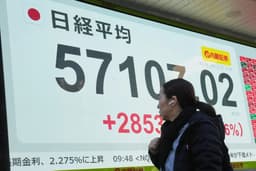
Analysis Reveals Mexico's Auto Tariffs Impact BYD COMPANY and Tesla the Most
Tariff Impact: Mexico's new 50% tariff on Chinese-manufactured autos will negatively affect BYD and Tesla, while benefiting US automakers like Ford, General Motors, and Chrysler due to existing trade agreements.
Manufacturing Advantage: The Big Three US automakers have production facilities in Mexico, allowing them to import a percentage of vehicles tariff-free, unlike BYD and Tesla, which do not have such facilities.
Trade with 70% Backtested Accuracy

Analyst Views on 01211

About the author

<Research>CLSA: Rising Costs Squeeze Automaker Profits; BYD and Leapmotor More Resilient to Pressure


Impact of Commodity Prices: Rising commodity prices are creating challenges for automakers, potentially leading to industry consolidation and adjustments in pricing strategies, as highlighted by CLSA's research report.
Cost Increases: Raw material costs are expected to raise the average cost per vehicle by approximately RMB3,000, driven by increases in lithium carbonate, memory chips, and non-ferrous metals.
Vertical Integration Advantage: Automakers with higher vertical integration, like BYD, or those with significant external auto part sales, such as LEAPMOTOR, are better positioned to manage the cost pressures from rising raw material prices.
EV Market Dynamics: Geely Auto is emerging as a strong competitor in the electric vehicle sector, while the Chinese automotive industry is undergoing consolidation, with market share increasingly concentrated among tier 1 OEMs.

Canadian Industry Minister Promotes Joint Venture for Car Plant Establishment with CN

Canada's Joint Ventures with China: Canadian Industry Minister Melanie Joly announced plans to promote joint venture automotive plants with China for electric vehicle production aimed at global export.
Collaboration Opportunities: Canadian auto parts companies can partner with Chinese EV manufacturers to create assembly plants in Canada, ensuring compliance with safety regulations and labor standards while developing a local supply chain.

BYD Anticipates Limited Production of Sulfide-based Solid-State Batteries by 2027: Reports Suggest
BYD's Solid-State Battery Strategy: BYD is focusing on a multi-path exploration strategy for solid-state batteries, particularly sulfide-based technology, with breakthroughs in battery life and fast charging expected to lead to small-scale production by 2027.
Future Plans for All-Solid-State Batteries: The company plans to begin demonstration vehicle applications for all-solid-state batteries in batches around 2027, aiming for large-scale commercial applications post-2030.

HSI Starts 422 Points Up; HSBC HOLDINGS Gains 3%; Strong Performance in Chips and Commodities


Market Performance: The HSI opened 1.6% higher at 26,982, with significant gains in the HSCEI and HSTECH, reflecting a positive trend in the Hong Kong stock market.
Tech Sector Highlights: Major tech stocks like TENCENT and JD-SW saw increases, while KUAISHOU-W experienced a decline; overall, tech stocks showed a mixed performance with varying short selling ratios.
Automotive and Commodity Stocks: BYD COMPANY and other automotive stocks like NIO-SW and XPENG-W reported gains, alongside a rebound in commodity prices benefiting gold and mining stocks.
Financial Sector Gains: Financial stocks, including HSBC HOLDINGS and HKEX, opened higher, indicating a positive sentiment in the financial market amidst broader market gains.

HSI Drops 325 Points or 1.2% as AIA Declines Over 5%; NIO-SW Rises Approximately 7%

Market Performance: The HSI fell 325 points (1.2%) to close at 26,559, with the HSCEI and HSTECH also experiencing declines of 0.7% and 1.1%, respectively, amid a total market turnover of $247.865 billion.
Financial Sector Decline: Major financial stocks like HSBC and AIA saw significant drops of 2.7% and 5.5%, respectively, with short selling ratios indicating increased bearish sentiment.
Volatile Commodities Market: The commodities sector faced volatility, with stocks like CHI SILVER GP and MMG declining over 3%, while jewelry stock LAOPU GOLD also lost 2.32%.
Automakers' Gains: In contrast, automakers such as BYD and NIO saw gains, with NIO rising 6.9% after announcing its first profit, while battery stock CATL increased by 1.8%.

Citi Anticipates Higher Commodity Prices Will Favor Basic Materials While Straining Auto and Mid-Tier Battery Firms
Commodity Price Impact: Commodity prices have risen significantly, benefiting the basic materials sector in China, particularly suppliers of aluminum, copper, and lithium, with positive ratings for companies like CHALCO and MMG.
Automakers Under Pressure: Rising material costs are expected to increase the production costs for mass-market electric vehicles, with smaller automakers like XPENG and GAC GROUP being more vulnerable compared to larger firms like BYD and Geely.
Battery Industry Outlook: Short-term challenges are anticipated for second-tier battery companies, while CATL is expected to maintain a strong position due to its bargaining power and upcoming production resumption.
Tech Sector Challenges: Xiaomi may face margin pressures from increasing memory costs, which significantly impact the bill of materials for its smartphones, potentially affecting profitability.
<Research>CLSA: Rising Costs Squeeze Automaker Profits; BYD and Leapmotor More Resilient to Pressure
Impact of Commodity Prices: Rising commodity prices are creating challenges for automakers, potentially leading to industry consolidation and adjustments in pricing strategies, as highlighted by CLSA's research report.
Cost Increases: Raw material costs are expected to raise the average cost per vehicle by approximately RMB3,000, driven by increases in lithium carbonate, memory chips, and non-ferrous metals.
Vertical Integration Advantage: Automakers with higher vertical integration, like BYD, or those with significant external auto part sales, such as LEAPMOTOR, are better positioned to manage the cost pressures from rising raw material prices.
EV Market Dynamics: Geely Auto is emerging as a strong competitor in the electric vehicle sector, while the Chinese automotive industry is undergoing consolidation, with market share increasingly concentrated among tier 1 OEMs.
Canadian Industry Minister Promotes Joint Venture for Car Plant Establishment with CN
Canada's Joint Ventures with China: Canadian Industry Minister Melanie Joly announced plans to promote joint venture automotive plants with China for electric vehicle production aimed at global export.
Collaboration Opportunities: Canadian auto parts companies can partner with Chinese EV manufacturers to create assembly plants in Canada, ensuring compliance with safety regulations and labor standards while developing a local supply chain.
BYD Anticipates Limited Production of Sulfide-based Solid-State Batteries by 2027: Reports Suggest
BYD's Solid-State Battery Strategy: BYD is focusing on a multi-path exploration strategy for solid-state batteries, particularly sulfide-based technology, with breakthroughs in battery life and fast charging expected to lead to small-scale production by 2027.
Future Plans for All-Solid-State Batteries: The company plans to begin demonstration vehicle applications for all-solid-state batteries in batches around 2027, aiming for large-scale commercial applications post-2030.
HSI Starts 422 Points Up; HSBC HOLDINGS Gains 3%; Strong Performance in Chips and Commodities
Market Performance: The HSI opened 1.6% higher at 26,982, with significant gains in the HSCEI and HSTECH, reflecting a positive trend in the Hong Kong stock market.
Tech Sector Highlights: Major tech stocks like TENCENT and JD-SW saw increases, while KUAISHOU-W experienced a decline; overall, tech stocks showed a mixed performance with varying short selling ratios.
Automotive and Commodity Stocks: BYD COMPANY and other automotive stocks like NIO-SW and XPENG-W reported gains, alongside a rebound in commodity prices benefiting gold and mining stocks.
Financial Sector Gains: Financial stocks, including HSBC HOLDINGS and HKEX, opened higher, indicating a positive sentiment in the financial market amidst broader market gains.
HSI Drops 325 Points or 1.2% as AIA Declines Over 5%; NIO-SW Rises Approximately 7%
Market Performance: The HSI fell 325 points (1.2%) to close at 26,559, with the HSCEI and HSTECH also experiencing declines of 0.7% and 1.1%, respectively, amid a total market turnover of $247.865 billion.
Financial Sector Decline: Major financial stocks like HSBC and AIA saw significant drops of 2.7% and 5.5%, respectively, with short selling ratios indicating increased bearish sentiment.
Volatile Commodities Market: The commodities sector faced volatility, with stocks like CHI SILVER GP and MMG declining over 3%, while jewelry stock LAOPU GOLD also lost 2.32%.
Automakers' Gains: In contrast, automakers such as BYD and NIO saw gains, with NIO rising 6.9% after announcing its first profit, while battery stock CATL increased by 1.8%.
Citi Anticipates Higher Commodity Prices Will Favor Basic Materials While Straining Auto and Mid-Tier Battery Firms
Commodity Price Impact: Commodity prices have risen significantly, benefiting the basic materials sector in China, particularly suppliers of aluminum, copper, and lithium, with positive ratings for companies like CHALCO and MMG.
Automakers Under Pressure: Rising material costs are expected to increase the production costs for mass-market electric vehicles, with smaller automakers like XPENG and GAC GROUP being more vulnerable compared to larger firms like BYD and Geely.
Battery Industry Outlook: Short-term challenges are anticipated for second-tier battery companies, while CATL is expected to maintain a strong position due to its bargaining power and upcoming production resumption.
Tech Sector Challenges: Xiaomi may face margin pressures from increasing memory costs, which significantly impact the bill of materials for its smartphones, potentially affecting profitability.