Alibaba's High-Speed Comeback: The AI-Commerce Cocktail Lifting ETF Hopes


Alibaba's AI and Instant Commerce Innovations: Alibaba is making significant strides in artificial intelligence with its Qwen 3 models, which are compatible with Apple devices, while also launching an instant commerce platform that has achieved 40 million daily orders, enhancing its competitive edge in the market.
Impact on Thematic ETFs: These developments position Alibaba as a key player in China-led ETFs focused on next-gen technology and digital consumer spending, potentially reshaping investment strategies as investors seek exposure to AI and e-commerce beyond traditional U.S. companies.
Trade with 70% Backtested Accuracy
Analyst Views on MCHI


No data
About the author

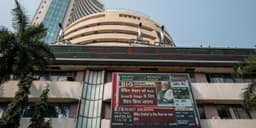
India and Brazil: The Anti-AI Trade Markets Poised for Growth.


- Impact on U.S. Stocks: Rising fears over artificial intelligence have negatively affected U.S. stock markets this week.
- Emerging Markets Response: Concerns about AI have also influenced emerging markets that have benefited from U.S. corporate spending on AI.
- Potential Hedge: Certain segments of emerging markets may provide a hedge against the overall market weakness caused by AI fears.
- Broader Market Implications: The situation highlights the interconnectedness of U.S. corporate spending and global market dynamics in the context of AI developments.

The Future of Chinese Stocks and Economy Depends on the U.S.

- China's Economic Outlook: The performance of China's economy and stock market in 2026 is uncertain and may hinge on external factors.
- Influence of the U.S. Economy: The strength of the U.S. economy will play a significant role in determining China's economic success in the coming years.

MCHI Options Trading Kicks Off in the First Week of August 2026

Put Contract Overview: The $57.00 put contract has a bid of $2.65, allowing investors to buy MCHI shares at a cost basis of $54.35, representing a 6% discount from the current price of $60.69, with a 65% chance of expiring worthless.
YieldBoost Potential: If the put contract expires worthless, it could yield a 4.65% return on cash commitment, or 6.93% annualized, referred to as YieldBoost.
Call Contract Overview: The $65.00 call contract has a bid of $3.10, offering a potential total return of 12.21% if the stock is called away by August 2026, while also having a 58% chance of expiring worthless.
YieldBoost for Calls: Should the covered call expire worthless, it would provide a 5.11% additional return, or 7.61% annualized, also termed YieldBoost, with both contracts showing an implied volatility of approximately 27%.

MCHI Flooded with Sellers
RSI Comparison: The iShares MSCI China (MCHI) has an RSI reading of 29.4, indicating potential overselling, while the S&P 500's RSI is at 46.3.
Investment Opportunity: A bullish investor may interpret MCHI's low RSI as a sign that selling pressure is waning, suggesting possible buying opportunities.
52-Week Performance: MCHI's shares have a 52-week low of $43.70 and a high of $67.37, with the last trade recorded at $59.47, reflecting a 2.4% decline for the day.
Author's Opinion Disclaimer: The views expressed in the article are those of the author and do not necessarily represent the opinions of Nasdaq, Inc.

Morning Squawk: Fed Meeting, Oracle Under Pressure, Target's Trendy Renovation, and More


Federal Reserve Interest Rate Decision: Investors are awaiting the Federal Reserve's interest rate decision and Chair Jerome Powell's press conference, with expectations of a rate cut, but stock market activity remains cautious ahead of the announcement.
Oracle's Earnings Report: Oracle is set to report its second quarter earnings, with pressure to demonstrate its ability to finance infrastructure plans and validate its AI-driven growth story, despite a recent significant drop in stock value.
Pharmaceutical Investments in Obesity Treatments: Eli Lilly is investing $6 billion in a new manufacturing plant for its obesity pill, while Pfizer has entered a $2.1 billion licensing deal to develop its own obesity treatment, highlighting the industry's focus on the weight-loss market.
Student Loan Repayment Changes: Millions of student loan borrowers may soon have to restart payments as a proposed settlement requires them to choose a new repayment method, amid concerns about financial strain affecting their ability to cover basic necessities.

Vietnam's Stock Market Thrives in 2025: This Could Be Just the Start

Vietnam's Stock Market Surge: Vietnam's stock market has seen significant growth in 2025, with the VanEck Vietnam ETF rising approximately 62%, outpacing the iShares MSCI China ETF and broader emerging markets, driven by domestic reforms and increased liquidity from local investors.
Emerging Market Upgrade: Vietnam is set to be upgraded to a secondary emerging market by FTSE Russell in 2026, which could attract an additional $5-6 billion in capital inflows, contingent on further reforms to enhance market accessibility and resilience.
Economic Reforms and Growth: The Vietnamese government has implemented structural reforms, including Resolution 68, aimed at boosting the private sector and facilitating investment, alongside a strong labor force that supports its integration into global production networks.
Trade Diversification Efforts: In response to geopolitical tensions and trade tariffs, Vietnam is actively pursuing new trade agreements to diversify its export markets, including a recent deal with the U.S. that reduces tariffs on Vietnamese imports, enhancing its competitive edge.
India and Brazil: The Anti-AI Trade Markets Poised for Growth.
- Impact on U.S. Stocks: Rising fears over artificial intelligence have negatively affected U.S. stock markets this week.
- Emerging Markets Response: Concerns about AI have also influenced emerging markets that have benefited from U.S. corporate spending on AI.
- Potential Hedge: Certain segments of emerging markets may provide a hedge against the overall market weakness caused by AI fears.
- Broader Market Implications: The situation highlights the interconnectedness of U.S. corporate spending and global market dynamics in the context of AI developments.
The Future of Chinese Stocks and Economy Depends on the U.S.
- China's Economic Outlook: The performance of China's economy and stock market in 2026 is uncertain and may hinge on external factors.
- Influence of the U.S. Economy: The strength of the U.S. economy will play a significant role in determining China's economic success in the coming years.
MCHI Options Trading Kicks Off in the First Week of August 2026
Put Contract Overview: The $57.00 put contract has a bid of $2.65, allowing investors to buy MCHI shares at a cost basis of $54.35, representing a 6% discount from the current price of $60.69, with a 65% chance of expiring worthless.
YieldBoost Potential: If the put contract expires worthless, it could yield a 4.65% return on cash commitment, or 6.93% annualized, referred to as YieldBoost.
Call Contract Overview: The $65.00 call contract has a bid of $3.10, offering a potential total return of 12.21% if the stock is called away by August 2026, while also having a 58% chance of expiring worthless.
YieldBoost for Calls: Should the covered call expire worthless, it would provide a 5.11% additional return, or 7.61% annualized, also termed YieldBoost, with both contracts showing an implied volatility of approximately 27%.
MCHI Flooded with Sellers
RSI Comparison: The iShares MSCI China (MCHI) has an RSI reading of 29.4, indicating potential overselling, while the S&P 500's RSI is at 46.3.
Investment Opportunity: A bullish investor may interpret MCHI's low RSI as a sign that selling pressure is waning, suggesting possible buying opportunities.
52-Week Performance: MCHI's shares have a 52-week low of $43.70 and a high of $67.37, with the last trade recorded at $59.47, reflecting a 2.4% decline for the day.
Author's Opinion Disclaimer: The views expressed in the article are those of the author and do not necessarily represent the opinions of Nasdaq, Inc.
Morning Squawk: Fed Meeting, Oracle Under Pressure, Target's Trendy Renovation, and More
Federal Reserve Interest Rate Decision: Investors are awaiting the Federal Reserve's interest rate decision and Chair Jerome Powell's press conference, with expectations of a rate cut, but stock market activity remains cautious ahead of the announcement.
Oracle's Earnings Report: Oracle is set to report its second quarter earnings, with pressure to demonstrate its ability to finance infrastructure plans and validate its AI-driven growth story, despite a recent significant drop in stock value.
Pharmaceutical Investments in Obesity Treatments: Eli Lilly is investing $6 billion in a new manufacturing plant for its obesity pill, while Pfizer has entered a $2.1 billion licensing deal to develop its own obesity treatment, highlighting the industry's focus on the weight-loss market.
Student Loan Repayment Changes: Millions of student loan borrowers may soon have to restart payments as a proposed settlement requires them to choose a new repayment method, amid concerns about financial strain affecting their ability to cover basic necessities.
Vietnam's Stock Market Thrives in 2025: This Could Be Just the Start
Vietnam's Stock Market Surge: Vietnam's stock market has seen significant growth in 2025, with the VanEck Vietnam ETF rising approximately 62%, outpacing the iShares MSCI China ETF and broader emerging markets, driven by domestic reforms and increased liquidity from local investors.
Emerging Market Upgrade: Vietnam is set to be upgraded to a secondary emerging market by FTSE Russell in 2026, which could attract an additional $5-6 billion in capital inflows, contingent on further reforms to enhance market accessibility and resilience.
Economic Reforms and Growth: The Vietnamese government has implemented structural reforms, including Resolution 68, aimed at boosting the private sector and facilitating investment, alongside a strong labor force that supports its integration into global production networks.
Trade Diversification Efforts: In response to geopolitical tensions and trade tariffs, Vietnam is actively pursuing new trade agreements to diversify its export markets, including a recent deal with the U.S. that reduces tariffs on Vietnamese imports, enhancing its competitive edge.