AI is exacerbating a memory chip shortage that may impact smartphones and vehicles.
Memory Chip Shortage Warning: Chipmakers and analysts are predicting a memory chip shortage that could impact consumer electronics and automotive industries next year, as demand for chips driven by artificial intelligence takes precedence.
Impact on Orders: Semiconductor Manufacturing International Corp's CEO noted that concerns over memory chip availability are causing customers to hesitate in placing orders for other chip types, leading to potential production bottlenecks.
Rising Prices and Supply Constraints: Memory suppliers are raising prices due to shrinking availability, with reports indicating that Samsung has increased prices on select memory chips by up to 60%, which could lead to higher retail prices for consumer products.
Global Implications: The memory shortage is a global issue, particularly affecting low-cost device markets in China, and is expected to create increased price and demand pressures for products like smartphones and laptops.
Trade with 70% Backtested Accuracy
Analyst Views on MU

About MU
About the author


Tech Stocks: Capital Appreciation and Dividends


- Micron's Remarkable Growth: Micron Technology's stock surged 317% over the past year, with a modest dividend yield of 0.12%, yet its $42.3 billion revenue and improving fundamentals make it a focal point for investors, especially as it plays a crucial role in the AI revolution's data center buildout.
- Alphabet's Strong Performance: Alphabet's revenue rose 15% in 2025, marking its largest increase in four years, with a net income margin reaching 33%; despite a 0.3% dividend yield, the 69% stock price increase underscores its robust market performance and competitiveness in the AI sector.
- Alibaba's Potential: Alibaba leads with a 0.65% dividend yield among these stocks, and while its earnings multiple is high, its position as an e-commerce giant in China and potential AI chip supplier could enhance its appeal, especially amid ongoing U.S.-China trade restrictions.
- Investor Confidence: Despite the lackluster dividend performance of these three companies, their capital appreciation potential and market leadership position them as attractive investment opportunities, particularly against the backdrop of rapid advancements in technology and AI.

Tesla's Transition Risks vs. AI Investment Opportunities

- Tesla's Transition Challenges: Tesla's stock has surged 3,500% over the past decade, but it is currently undergoing a significant shift from electric vehicles to robotics and autonomous vehicles, facing dual pressures from slowing core EV sales and rising costs.
- Deteriorating Financials: Tesla's sales declined in Q4, with annual revenue falling for the first time to $94.8 billion, operating expenses rising 39% to $3.6 billion, and net income dropping 60% to $0.24 per share, indicating financial strain during this transition.
- AI Stock Potential: In contrast to Tesla, Micron and TSMC are benefiting from a surge in demand for AI infrastructure, with Micron's Q1 revenue rising 56% to $13.6 billion and adjusted EPS up 167% to $4.78, while TSMC's sales increased nearly 26% to $33.7 billion, showcasing strong growth potential.
- Valuation Advantage: Micron and TSMC have P/E ratios of 39 and 33, respectively, compared to Tesla's 390, highlighting their relative value in the current market environment, making them more attractive investment options for shareholders.

Tech Companies Stock Price Movements Analysis

- Oracle Stock Rise: Oracle shares increased by 2% after DA Davidson upgraded its rating from neutral to buy, with analysts believing that a revamped OpenAI will regain its position as Google's top competitor, enhancing collaboration potential with Oracle.
- STMicroelectronics Partnership Expansion: STMicroelectronics saw a 7% stock increase following a multi-billion-dollar partnership announcement with Amazon Web Services to support infrastructure for cloud and AI data centers, which is expected to drive future revenue growth for the company.
- Kroger CEO Transition: Kroger's shares jumped nearly 5% after the Wall Street Journal reported that former Walmart executive Greg Foran will be appointed as the new CEO, indicating a potential strategic shift that could enhance the company's performance in a competitive retail market.
- Hims & Hers Health Crisis: Hims & Hers stock plummeted 18% after it withdrew its copycat weight-loss pill following legal threats from Novo Nordisk, highlighting the importance of intellectual property in the market and potentially impacting Hims & Hers' future product strategy.
Samsung Electronics Accelerates AI Memory Chip Development

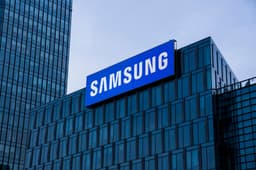
- Intensifying Market Competition: As the sixth-generation high-bandwidth memory (HBM4) supply battle intensifies, Samsung Electronics and SK Hynix emerge as the main competitors, with SK Hynix expected to capture 70% of the market share and Samsung around 30%, impacting the future supply chain dynamics for AI chips.
- Micron Exits Competition: Micron's market share for HBM4 has been reduced to zero due to its inability to meet Nvidia's stringent requirement for data transfer speeds exceeding 11Gbps, further solidifying Samsung and SK Hynix's dominance in the market.
- Mass Production Readiness: Samsung plans to begin shipping HBM4 chips to Nvidia as early as the third week of February, marking its readiness for mass production in AI infrastructure, which will support Nvidia's upcoming Vera Rubin AI accelerators and narrow the gap with SK Hynix.
- Investor Optimism: With data center spending projected to reach $650 billion, investor sentiment around AI-linked U.S. tech stocks has surged, as evidenced by Nvidia's nearly 8% stock price increase on Friday, reflecting strong market confidence in AI technologies.

Movers: Hims & Hers, Novo Nordisk, Micron, Kroger, STMicroelectronics, Nvidia, and Others

- Stock Market Trends: Stock futures were declining on Monday as investors expressed concerns about the sustainability of a recent relief rally.
- Investor Sentiment: There is a prevailing uncertainty among investors regarding the market's ability to maintain upward momentum following last week's gains.
Samsung Nears Approval for AI Memory Chip Shipments

- AI Memory Chip Progress: Samsung is close to securing Nvidia's certification for its latest AI memory chip, HBM4, with shipments to Nvidia and AMD expected next month, thereby addressing the growing demand for memory chips and enhancing the company's position in the competitive semiconductor market.
- Market Rebound: Tech stocks and the broader market rebounded on Friday, with Nvidia shares rising nearly 8%, reflecting investor confidence in the recovery of the chip industry, although Nvidia's stock remains down 11% from its peak on November 3, indicating market volatility.
- Supply-Demand Dynamics: The ongoing shortage of memory chips has driven up shares of chipmakers like Micron, SanDisk, and Western Digital, as investors anticipate robust demand and rising prices, providing a favorable backdrop for Samsung's market performance.
- Regulatory Challenges: Nvidia is awaiting approval for the sale of its H200 chips in China; while Beijing is close to approving imports, the U.S. is considering additional restrictions, and this complex diplomatic situation may impact Nvidia's market performance and stock price fluctuations.
Tech Stocks: Capital Appreciation and Dividends
- Micron's Remarkable Growth: Micron Technology's stock surged 317% over the past year, with a modest dividend yield of 0.12%, yet its $42.3 billion revenue and improving fundamentals make it a focal point for investors, especially as it plays a crucial role in the AI revolution's data center buildout.
- Alphabet's Strong Performance: Alphabet's revenue rose 15% in 2025, marking its largest increase in four years, with a net income margin reaching 33%; despite a 0.3% dividend yield, the 69% stock price increase underscores its robust market performance and competitiveness in the AI sector.
- Alibaba's Potential: Alibaba leads with a 0.65% dividend yield among these stocks, and while its earnings multiple is high, its position as an e-commerce giant in China and potential AI chip supplier could enhance its appeal, especially amid ongoing U.S.-China trade restrictions.
- Investor Confidence: Despite the lackluster dividend performance of these three companies, their capital appreciation potential and market leadership position them as attractive investment opportunities, particularly against the backdrop of rapid advancements in technology and AI.
Tesla's Transition Risks vs. AI Investment Opportunities
- Tesla's Transition Challenges: Tesla's stock has surged 3,500% over the past decade, but it is currently undergoing a significant shift from electric vehicles to robotics and autonomous vehicles, facing dual pressures from slowing core EV sales and rising costs.
- Deteriorating Financials: Tesla's sales declined in Q4, with annual revenue falling for the first time to $94.8 billion, operating expenses rising 39% to $3.6 billion, and net income dropping 60% to $0.24 per share, indicating financial strain during this transition.
- AI Stock Potential: In contrast to Tesla, Micron and TSMC are benefiting from a surge in demand for AI infrastructure, with Micron's Q1 revenue rising 56% to $13.6 billion and adjusted EPS up 167% to $4.78, while TSMC's sales increased nearly 26% to $33.7 billion, showcasing strong growth potential.
- Valuation Advantage: Micron and TSMC have P/E ratios of 39 and 33, respectively, compared to Tesla's 390, highlighting their relative value in the current market environment, making them more attractive investment options for shareholders.
Tech Companies Stock Price Movements Analysis
- Oracle Stock Rise: Oracle shares increased by 2% after DA Davidson upgraded its rating from neutral to buy, with analysts believing that a revamped OpenAI will regain its position as Google's top competitor, enhancing collaboration potential with Oracle.
- STMicroelectronics Partnership Expansion: STMicroelectronics saw a 7% stock increase following a multi-billion-dollar partnership announcement with Amazon Web Services to support infrastructure for cloud and AI data centers, which is expected to drive future revenue growth for the company.
- Kroger CEO Transition: Kroger's shares jumped nearly 5% after the Wall Street Journal reported that former Walmart executive Greg Foran will be appointed as the new CEO, indicating a potential strategic shift that could enhance the company's performance in a competitive retail market.
- Hims & Hers Health Crisis: Hims & Hers stock plummeted 18% after it withdrew its copycat weight-loss pill following legal threats from Novo Nordisk, highlighting the importance of intellectual property in the market and potentially impacting Hims & Hers' future product strategy.
Samsung Electronics Accelerates AI Memory Chip Development
- Intensifying Market Competition: As the sixth-generation high-bandwidth memory (HBM4) supply battle intensifies, Samsung Electronics and SK Hynix emerge as the main competitors, with SK Hynix expected to capture 70% of the market share and Samsung around 30%, impacting the future supply chain dynamics for AI chips.
- Micron Exits Competition: Micron's market share for HBM4 has been reduced to zero due to its inability to meet Nvidia's stringent requirement for data transfer speeds exceeding 11Gbps, further solidifying Samsung and SK Hynix's dominance in the market.
- Mass Production Readiness: Samsung plans to begin shipping HBM4 chips to Nvidia as early as the third week of February, marking its readiness for mass production in AI infrastructure, which will support Nvidia's upcoming Vera Rubin AI accelerators and narrow the gap with SK Hynix.
- Investor Optimism: With data center spending projected to reach $650 billion, investor sentiment around AI-linked U.S. tech stocks has surged, as evidenced by Nvidia's nearly 8% stock price increase on Friday, reflecting strong market confidence in AI technologies.
Movers: Hims & Hers, Novo Nordisk, Micron, Kroger, STMicroelectronics, Nvidia, and Others
- Stock Market Trends: Stock futures were declining on Monday as investors expressed concerns about the sustainability of a recent relief rally.
- Investor Sentiment: There is a prevailing uncertainty among investors regarding the market's ability to maintain upward momentum following last week's gains.
Samsung Nears Approval for AI Memory Chip Shipments
- AI Memory Chip Progress: Samsung is close to securing Nvidia's certification for its latest AI memory chip, HBM4, with shipments to Nvidia and AMD expected next month, thereby addressing the growing demand for memory chips and enhancing the company's position in the competitive semiconductor market.
- Market Rebound: Tech stocks and the broader market rebounded on Friday, with Nvidia shares rising nearly 8%, reflecting investor confidence in the recovery of the chip industry, although Nvidia's stock remains down 11% from its peak on November 3, indicating market volatility.
- Supply-Demand Dynamics: The ongoing shortage of memory chips has driven up shares of chipmakers like Micron, SanDisk, and Western Digital, as investors anticipate robust demand and rising prices, providing a favorable backdrop for Samsung's market performance.
- Regulatory Challenges: Nvidia is awaiting approval for the sale of its H200 chips in China; while Beijing is close to approving imports, the U.S. is considering additional restrictions, and this complex diplomatic situation may impact Nvidia's market performance and stock price fluctuations.