Vail Resorts Inc sees stock rise amid sector rotation.

Vail Resorts Inc's stock rose by 7.03% and reached a 5-day high, despite the broader market's decline, with the Nasdaq-100 down 1.03% and the S&P 500 down 0.44%.
This increase in stock price is attributed to the company's recent announcement of a quarterly dividend of $2.22 per share, maintaining the same amount as previous quarters, which reflects confidence in its financial health and commitment to shareholder returns. Additionally, Vail Resorts reaffirmed its EBITDA guidance for FY2026, projecting between $842 million and $898 million, supported by new marketing strategies.
The implications of this stock movement suggest that investors are responding positively to the company's strategic initiatives and financial commitments, indicating a potential shift in investor sentiment towards Vail Resorts amidst a challenging economic environment.
Trade with 70% Backtested Accuracy
Analyst Views on MTN

About MTN
About the author


Western U.S. Snow Shortage Raises Water Supply Concerns
- Ski Industry Impacted: The unusually warm and dry winter has significantly reduced snowfall in major ski areas like Park City and Vail, sidelining skiing and snowmobiling activities, which adversely affects tourism revenue and related industries.
- Water Supply Crisis: Snow cover across the West is near record lows, leading to insufficient snowpack that directly impacts water supply for cities, agriculture, and reservoirs, complicating the long-standing drought issues in the Colorado River basin.
- Agricultural Risks: The low snowpack has resulted in irrigation shortages, raising concerns among farmers about winter wheat crops suffering from cold snaps without protective snow cover, potentially leading to costly replanting.
- Increased Cloud Seeding Investment: States and ski operators are investing more in cloud seeding to enhance snowfall, although experts note that results are uneven; the snowpack situation in Colorado is particularly critical, affecting water supplies for approximately 40 million people in the U.S. and Mexico.
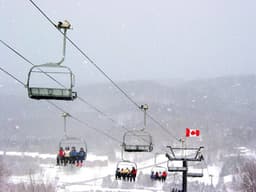
U.S. Policy Affects Canadian Tourist Trends
- Visitor Decline Trend: U.S. ski resorts report a sharp drop in Canadian visitors, particularly in the New England region, despite excellent snowfall this winter, indicating a direct impact of policy on tourism.
- Canadian Tourist Reaction: Inntopia data reveals that Canadian bookings tend to drop significantly within 48 hours following any controversial geopolitical statement by President Trump, reflecting their dissatisfaction and resistance to U.S. policies.
- Sense of Betrayal: Tom Foley, Inntopia's director of business intelligence, states that Canadians feel betrayed by a longtime friend, exacerbating their resistance to U.S. ski resorts and affecting tourism stability.
- Impact on Las Vegas: There is also a notable decline in Canadian tourists visiting Las Vegas compared to last year, further demonstrating the negative impact of U.S. policies on tourism across other popular destinations.

Morgan Stanley CEO Predicts Strong M&A Activity in 2026

- Optimistic M&A Outlook: Morgan Stanley CEO Ted Pick forecasts a prosperous year for M&A and capital markets in 2026, driven by interest rate cuts and geopolitical volatility, with the five major banks reporting a 15% increase in trading revenue for 2025, marking the largest jump in five years.
- Walmart International CEO Resignation: Walmart International CEO Kathryn McLay announced her resignation at the end of the month, despite an 11% sales growth in overseas markets, highlighting potential strategic shifts following her failure to secure the group CEO role.
- Taiwan Trade Agreement Signed: President Trump confirmed a trade deal with Taiwan, reducing tariffs on imports from 20% to 15%, with Taiwanese tech firms pledging at least $250 billion in U.S. investments, aiming to enhance U.S. semiconductor self-sufficiency.
- Decline in Skier Visits: Vail Resorts reported a 20% drop in skier visits compared to last year, and despite a 6.26% dividend yield, analysts suggest management should consider cutting dividends to strengthen the balance sheet.

Vail Resorts (MTN) Warns Full-Year Earnings Will Miss Expectations Amid 20% Drop in Skier Visits
- Skier Visits Plummet: As of January 4, skier visits at North American destination resorts fell by 20% year-over-year, leading to significant declines in ski school and dining revenues by 14.9% and 15.9%, respectively, which exerted considerable pressure on overall company revenue.
- 30-Year Low Snowfall: Vail Resorts' CEO noted that snowfall in the western U.S. was about 50% below the historical 30-year average, resulting in only 11% of terrain open in December, further impacting customer skiing experiences and company earnings.
- EBITDA Outlook Downgraded: Vail now expects its fiscal 2026 EBITDA to come in below the low end of the guidance range issued on September 29, indicating a cautious outlook for future earnings, particularly under adverse weather conditions.
- Weak Market Performance: MTN shares are currently trading at $141.71, 2.6% below the 20-day simple moving average, indicating a bearish trend in the short term, with a 22.8% decline in stock price over the past 12 months, reflecting ongoing market challenges.
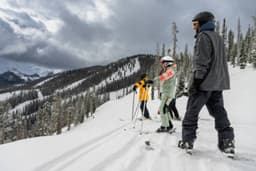
Vail Resorts (MTN) Warns EBITDA May Fall Below $842M Due to Warm Weather
- Visitor Decline: As of January 4, Vail Resorts reported a 20% drop in skier visits compared to last year, leading to a 15% decline in ski school and dining revenue, and a 6% drop in retail/rental revenue, highlighting the significant negative impact of unseasonably warm weather on business.
- EBITDA Warning: Management cautioned that if weather conditions do not normalize by mid-February, the EBITDA for the 2025/2026 ski season could fall below the low end of $842 million guidance, reflecting the potential financial threat posed by climate variability.
- Historic Low Snowfall: The snowfall at Vail's western U.S. resorts was only half of the 30-year average, with Rocky Mountain snowfall down 60%, severely limiting terrain openings and negatively impacting visitation and ancillary spending.
- Regional Disparities: While the eastern snowfall provided favorable skiing conditions that somewhat mitigated the impact of poor conditions out west, overall business remains challenged, particularly in regions like Tahoe and Whistler.

Vail Resorts Reports Ski Season Metrics: Snowfall at 30-Year Low
- Snowfall Decline: In November and December 2025, snowfall at Vail Resorts' western ski areas was approximately 50% below the historical 30-year average, resulting in only 11% of terrain being opened in December, which negatively impacted visitation and ancillary spending.
- Financial Guidance Downgrade: Due to adverse weather conditions, the company now expects its full-year Resort Reported EBITDA to fall below the low end of the guidance range issued on September 29, 2025, with potential further downside if performance in the Rockies lags.
- Strong Eastern Performance: While western resorts faced significant weather challenges, strong conditions at eastern ski areas partially offset the overall performance decline, highlighting the strategic advantage of the company's geographically diverse resort network.
- Reinforced Investment Commitment: Vail Resorts reiterated its commitment to its advance commitment strategy, achieving strong guest satisfaction scores despite significant weather challenges, demonstrating ongoing efforts to enhance the guest experience.
Western U.S. Snow Shortage Raises Water Supply Concerns
- Ski Industry Impacted: The unusually warm and dry winter has significantly reduced snowfall in major ski areas like Park City and Vail, sidelining skiing and snowmobiling activities, which adversely affects tourism revenue and related industries.
- Water Supply Crisis: Snow cover across the West is near record lows, leading to insufficient snowpack that directly impacts water supply for cities, agriculture, and reservoirs, complicating the long-standing drought issues in the Colorado River basin.
- Agricultural Risks: The low snowpack has resulted in irrigation shortages, raising concerns among farmers about winter wheat crops suffering from cold snaps without protective snow cover, potentially leading to costly replanting.
- Increased Cloud Seeding Investment: States and ski operators are investing more in cloud seeding to enhance snowfall, although experts note that results are uneven; the snowpack situation in Colorado is particularly critical, affecting water supplies for approximately 40 million people in the U.S. and Mexico.
U.S. Policy Affects Canadian Tourist Trends
- Visitor Decline Trend: U.S. ski resorts report a sharp drop in Canadian visitors, particularly in the New England region, despite excellent snowfall this winter, indicating a direct impact of policy on tourism.
- Canadian Tourist Reaction: Inntopia data reveals that Canadian bookings tend to drop significantly within 48 hours following any controversial geopolitical statement by President Trump, reflecting their dissatisfaction and resistance to U.S. policies.
- Sense of Betrayal: Tom Foley, Inntopia's director of business intelligence, states that Canadians feel betrayed by a longtime friend, exacerbating their resistance to U.S. ski resorts and affecting tourism stability.
- Impact on Las Vegas: There is also a notable decline in Canadian tourists visiting Las Vegas compared to last year, further demonstrating the negative impact of U.S. policies on tourism across other popular destinations.
Morgan Stanley CEO Predicts Strong M&A Activity in 2026
- Optimistic M&A Outlook: Morgan Stanley CEO Ted Pick forecasts a prosperous year for M&A and capital markets in 2026, driven by interest rate cuts and geopolitical volatility, with the five major banks reporting a 15% increase in trading revenue for 2025, marking the largest jump in five years.
- Walmart International CEO Resignation: Walmart International CEO Kathryn McLay announced her resignation at the end of the month, despite an 11% sales growth in overseas markets, highlighting potential strategic shifts following her failure to secure the group CEO role.
- Taiwan Trade Agreement Signed: President Trump confirmed a trade deal with Taiwan, reducing tariffs on imports from 20% to 15%, with Taiwanese tech firms pledging at least $250 billion in U.S. investments, aiming to enhance U.S. semiconductor self-sufficiency.
- Decline in Skier Visits: Vail Resorts reported a 20% drop in skier visits compared to last year, and despite a 6.26% dividend yield, analysts suggest management should consider cutting dividends to strengthen the balance sheet.
Vail Resorts (MTN) Warns Full-Year Earnings Will Miss Expectations Amid 20% Drop in Skier Visits
- Skier Visits Plummet: As of January 4, skier visits at North American destination resorts fell by 20% year-over-year, leading to significant declines in ski school and dining revenues by 14.9% and 15.9%, respectively, which exerted considerable pressure on overall company revenue.
- 30-Year Low Snowfall: Vail Resorts' CEO noted that snowfall in the western U.S. was about 50% below the historical 30-year average, resulting in only 11% of terrain open in December, further impacting customer skiing experiences and company earnings.
- EBITDA Outlook Downgraded: Vail now expects its fiscal 2026 EBITDA to come in below the low end of the guidance range issued on September 29, indicating a cautious outlook for future earnings, particularly under adverse weather conditions.
- Weak Market Performance: MTN shares are currently trading at $141.71, 2.6% below the 20-day simple moving average, indicating a bearish trend in the short term, with a 22.8% decline in stock price over the past 12 months, reflecting ongoing market challenges.
Vail Resorts (MTN) Warns EBITDA May Fall Below $842M Due to Warm Weather
- Visitor Decline: As of January 4, Vail Resorts reported a 20% drop in skier visits compared to last year, leading to a 15% decline in ski school and dining revenue, and a 6% drop in retail/rental revenue, highlighting the significant negative impact of unseasonably warm weather on business.
- EBITDA Warning: Management cautioned that if weather conditions do not normalize by mid-February, the EBITDA for the 2025/2026 ski season could fall below the low end of $842 million guidance, reflecting the potential financial threat posed by climate variability.
- Historic Low Snowfall: The snowfall at Vail's western U.S. resorts was only half of the 30-year average, with Rocky Mountain snowfall down 60%, severely limiting terrain openings and negatively impacting visitation and ancillary spending.
- Regional Disparities: While the eastern snowfall provided favorable skiing conditions that somewhat mitigated the impact of poor conditions out west, overall business remains challenged, particularly in regions like Tahoe and Whistler.
Vail Resorts Reports Ski Season Metrics: Snowfall at 30-Year Low
- Snowfall Decline: In November and December 2025, snowfall at Vail Resorts' western ski areas was approximately 50% below the historical 30-year average, resulting in only 11% of terrain being opened in December, which negatively impacted visitation and ancillary spending.
- Financial Guidance Downgrade: Due to adverse weather conditions, the company now expects its full-year Resort Reported EBITDA to fall below the low end of the guidance range issued on September 29, 2025, with potential further downside if performance in the Rockies lags.
- Strong Eastern Performance: While western resorts faced significant weather challenges, strong conditions at eastern ski areas partially offset the overall performance decline, highlighting the strategic advantage of the company's geographically diverse resort network.
- Reinforced Investment Commitment: Vail Resorts reiterated its commitment to its advance commitment strategy, achieving strong guest satisfaction scores despite significant weather challenges, demonstrating ongoing efforts to enhance the guest experience.