UBER.N Hits 20-Day Low Amid Market Concerns
Written by Emily J. Thompson, Senior Investment Analyst
Updated: May 21 2025
0mins

Should l Buy UBER?
Source: Yahoo Finance
Shares of UBER.N declined sharply today, hitting a 20-day low as investor sentiment wavered. The stock's technical breakdown signals increased bearish momentum, reflecting broader market anxieties. Contributing to this downturn are concerns regarding Uber's regulatory challenges and the implications of Saudi Arabia's Public Investment Fund reducing its U.S. holdings, which includes a significant stake in Uber. Additionally, the ongoing scrutiny over Uber's pricing strategies and the recent Supreme Court ruling in New Zealand regarding driver classification may further impact investor confidence.
Trade with 70% Backtested Accuracy
Stop guessing "Should I Buy UBER?" and start using high-conviction signals backed by rigorous historical data.
Sign up today to access powerful investing tools and make smarter, data-driven decisions.
Analyst Views on UBER
Wall Street analysts forecast UBER stock price to rise over the next 12 months. According to Wall Street analysts, the average 1-year price target for UBER is 114.67 USD with a low forecast of 73.00 USD and a high forecast of 150.00 USD. However, analyst price targets are subjective and often lag stock prices, so investors should focus on the objective reasons behind analyst rating changes, which better reflect the company's fundamentals.
31 Analyst Rating
27 Buy
3 Hold
1 Sell
Strong Buy
Current: 75.210

Low
73.00
Averages
114.67
High
150.00
Current: 75.210
Low
73.00
Averages
114.67
High
150.00
About UBER
Uber Technologies, Inc. operates a technology platform that uses network and technology to power movement from point A to point B. It develops and operates technology applications supporting a variety of offerings on its platform (platform(s)). Its segments include Mobility, Delivery and Freight. Mobility products connect consumers with drivers who provide rides in a variety of vehicles, such as cars, auto rickshaws, motorbikes, minibuses, or taxis. Delivery offerings allow consumers to search for and discover local restaurants, order a meal, and either pick-up at the restaurant or have the meal delivered. In certain markets, the Delivery segment provides offerings for grocery, alcohol, and convenience store delivery as well as select other goods. The Freight segment connects carriers with shippers on its platform, and gives carriers upfront, pricing and the ability to book a shipment. The Freight segment also includes transportation management and other logistics service offerings.
About the author

Emily J. Thompson
Emily J. Thompson, a Chartered Financial Analyst (CFA) with 12 years in investment research, graduated with honors from the Wharton School. Specializing in industrial and technology stocks, she provides in-depth analysis for Intellectia’s earnings and market brief reports.
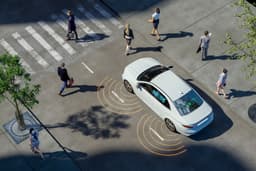
Uber's Self-Driving Revolution Presents Trillion-Dollar Opportunity

- Massive Market Potential: Uber reported gross bookings of $193.4 billion in 2025, with driver earnings at $85.4 billion, highlighting the company's vast scale in global mobility and delivery markets, and the potential for significant profit enhancement through autonomous driving technology.
- Profitability Enhancement: After deducting driver costs, Uber's revenue for 2025 was $52 billion, with an adjusted non-GAAP profit of $5.2 billion, indicating that reducing driver expenses could substantially increase profit margins, positively impacting the company's financial performance.
- Strategic Tech Investments: Uber is collaborating with over 20 autonomous vehicle developers and plans to offer self-driving services in 15 cities by the end of 2026, demonstrating its strategic positioning and intent to lead in this emerging market.
- Attractive Valuation: With a price-to-sales ratio of 3.1 and a price-to-earnings ratio of 30.1, Uber appears undervalued compared to Tesla's 377 P/E ratio, making it an appealing option for long-term investors looking to capitalize on potential growth in the autonomous driving sector.
See More

Uber Bets Big on the Future of Autonomous Driving
- Market Leadership: Uber operates the world's largest ride-hailing network with over 200 million monthly active users, and while it relies on 9.7 million drivers, it is actively transitioning to autonomous vehicles to reduce labor costs and enhance profitability.
- Revenue and Profit: In 2025, Uber reported gross bookings of $193.4 billion, with revenue of $52 billion after deducting driver payouts and other costs, resulting in an adjusted non-GAAP profit of $5.2 billion, indicating significant profit potential, especially with reduced driver expenses.
- Autonomous Driving Strategy: Uber plans to offer autonomous rides in 15 cities globally by the end of 2026, aiming to be the largest player in this space by 2029, with CEO Khosrowshahi stating that this shift could create a multitrillion-dollar market opportunity.
- Competition and Valuation: While competitors like Tesla may pose challenges, Uber's price-to-sales ratio of 3.1 and price-to-earnings ratio of 30.1 suggest it is undervalued, making it an attractive option for long-term investors looking to capitalize on the autonomous driving revolution.
See More

Tesla and Waymo's Divergent Approaches to Autonomous Driving


- Elevated Safety Standards: Waymo's VP Srikanth Thirumalai stated in an interview that the standards for autonomous driving should exceed human capabilities, emphasizing that safety is paramount, with future efforts focused on reducing sensor costs and improving software quality to ensure product safety.
- Sensor System Optimization: Currently, Waymo employs a comprehensive system with 29 cameras, 5 lidars, and 6 radars to enhance AI perception, planning to reduce the number of sensors in future robotaxi models while iterating and innovating to lower costs and improve software performance.
- Tesla's AI Perspective: Tesla's VP of AI, Ashok Elluswamy, emphasized at the ScaledML Conference that autonomous driving should rely on cameras rather than sensors, arguing that the challenge lies in AI capabilities rather than sensor technology, highlighting the importance of information extraction.
- Ongoing Industry Debate: Despite differing views on autonomous driving technology, both Waymo and Tesla acknowledge the challenges in achieving fully safe autonomous driving, indicating that the debate within the industry continues to evolve.
See More

Fort Lauderdale's Retirement Advantages
- Tax Benefits: Florida is one of the nine states with no state income tax, allowing retirees to save significantly on withdrawals from retirement plans and Social Security claims, thereby reducing financial stress and enhancing their quality of life.
- Climate Appeal: The warm climate throughout the year attracts more retirees, especially those who can withstand the summer heat, enabling them to enjoy beaches and outdoor activities in winter, which promotes health and social engagement.
- Transportation Accessibility: The Brightline train system covers southeastern Florida, and the proximity to Fort Lauderdale-Hollywood International Airport provides various transportation options, including water taxis, enhancing mobility for retirees and increasing the city's appeal.
- Diverse Leisure Activities: Fort Lauderdale offers a variety of cultural and recreational facilities, such as the Broward Center for the Performing Arts and Flamingo Gardens, providing retirees with ample outdoor activity options, further improving the quality of life in the area.
See More

Fort Lauderdale Emerges as a Top Retirement Destination in Florida
- Climate Advantage: Florida's warm climate year-round is attracting more retirees, particularly in Fort Lauderdale, which has become a top southern retirement destination, allowing people to enjoy beach life during the cold winter months.
- Tax Benefits: Florida's lack of state income tax enables retirees to save significantly when withdrawing from retirement plans and claiming Social Security, and although the sales tax is high, the absence of income tax remains a crucial economic advantage for most retirees.
- Active Lifestyle: The warm weather in Fort Lauderdale makes it easier for retirees to stay active and avoid health issues related to cold weather, while offering a variety of outdoor activities such as museums, gardens, and gondola tours.
- Convenient Transportation: The city features multiple transportation options, including the Brightline train and water taxis, providing easy mobility for retirees, and its proximity to Fort Lauderdale-Hollywood International Airport makes visiting friends up north more convenient.
See More

Three Growth Stock Investment Opportunities


- Netflix Acquisition Plan: Netflix plans to acquire Warner Bros. Studios, HBO, and HBO Max for $82.7 billion, which may strain cash flow and increase debt; however, this could enhance its content portfolio to attract 325 million global users, driving future growth.
- TSMC Market Dominance: Taiwan Semiconductor Manufacturing, controlling 72% of the market as the largest chip foundry, trades at a forward P/E of 24, yet analysts project a 25% annual growth over the next three to five years, highlighting its strong performance in the AI sector.
- Uber's Self-Driving Tech Development: Uber holds about 75% of the U.S. ride-sharing market and, despite competition from Waymo and Tesla, is developing self-driving technology in partnership with Nvidia, planning to deploy 100,000 autonomous vehicles, which could drive 22% annualized long-term growth.
- Attractive Market Valuations: Despite stock fluctuations, the current valuations of Netflix, TSMC, and Uber present investment opportunities under $1,000, particularly as the market approaches historical highs, indicating their long-term potential in their respective sectors.
See More
Uber's Self-Driving Revolution Presents Trillion-Dollar Opportunity
- Massive Market Potential: Uber reported gross bookings of $193.4 billion in 2025, with driver earnings at $85.4 billion, highlighting the company's vast scale in global mobility and delivery markets, and the potential for significant profit enhancement through autonomous driving technology.
- Profitability Enhancement: After deducting driver costs, Uber's revenue for 2025 was $52 billion, with an adjusted non-GAAP profit of $5.2 billion, indicating that reducing driver expenses could substantially increase profit margins, positively impacting the company's financial performance.
- Strategic Tech Investments: Uber is collaborating with over 20 autonomous vehicle developers and plans to offer self-driving services in 15 cities by the end of 2026, demonstrating its strategic positioning and intent to lead in this emerging market.
- Attractive Valuation: With a price-to-sales ratio of 3.1 and a price-to-earnings ratio of 30.1, Uber appears undervalued compared to Tesla's 377 P/E ratio, making it an appealing option for long-term investors looking to capitalize on potential growth in the autonomous driving sector.
See More
Uber Bets Big on the Future of Autonomous Driving
- Market Leadership: Uber operates the world's largest ride-hailing network with over 200 million monthly active users, and while it relies on 9.7 million drivers, it is actively transitioning to autonomous vehicles to reduce labor costs and enhance profitability.
- Revenue and Profit: In 2025, Uber reported gross bookings of $193.4 billion, with revenue of $52 billion after deducting driver payouts and other costs, resulting in an adjusted non-GAAP profit of $5.2 billion, indicating significant profit potential, especially with reduced driver expenses.
- Autonomous Driving Strategy: Uber plans to offer autonomous rides in 15 cities globally by the end of 2026, aiming to be the largest player in this space by 2029, with CEO Khosrowshahi stating that this shift could create a multitrillion-dollar market opportunity.
- Competition and Valuation: While competitors like Tesla may pose challenges, Uber's price-to-sales ratio of 3.1 and price-to-earnings ratio of 30.1 suggest it is undervalued, making it an attractive option for long-term investors looking to capitalize on the autonomous driving revolution.
See More
Tesla and Waymo's Divergent Approaches to Autonomous Driving
- Elevated Safety Standards: Waymo's VP Srikanth Thirumalai stated in an interview that the standards for autonomous driving should exceed human capabilities, emphasizing that safety is paramount, with future efforts focused on reducing sensor costs and improving software quality to ensure product safety.
- Sensor System Optimization: Currently, Waymo employs a comprehensive system with 29 cameras, 5 lidars, and 6 radars to enhance AI perception, planning to reduce the number of sensors in future robotaxi models while iterating and innovating to lower costs and improve software performance.
- Tesla's AI Perspective: Tesla's VP of AI, Ashok Elluswamy, emphasized at the ScaledML Conference that autonomous driving should rely on cameras rather than sensors, arguing that the challenge lies in AI capabilities rather than sensor technology, highlighting the importance of information extraction.
- Ongoing Industry Debate: Despite differing views on autonomous driving technology, both Waymo and Tesla acknowledge the challenges in achieving fully safe autonomous driving, indicating that the debate within the industry continues to evolve.
See More
Fort Lauderdale's Retirement Advantages
- Tax Benefits: Florida is one of the nine states with no state income tax, allowing retirees to save significantly on withdrawals from retirement plans and Social Security claims, thereby reducing financial stress and enhancing their quality of life.
- Climate Appeal: The warm climate throughout the year attracts more retirees, especially those who can withstand the summer heat, enabling them to enjoy beaches and outdoor activities in winter, which promotes health and social engagement.
- Transportation Accessibility: The Brightline train system covers southeastern Florida, and the proximity to Fort Lauderdale-Hollywood International Airport provides various transportation options, including water taxis, enhancing mobility for retirees and increasing the city's appeal.
- Diverse Leisure Activities: Fort Lauderdale offers a variety of cultural and recreational facilities, such as the Broward Center for the Performing Arts and Flamingo Gardens, providing retirees with ample outdoor activity options, further improving the quality of life in the area.
See More
Fort Lauderdale Emerges as a Top Retirement Destination in Florida
- Climate Advantage: Florida's warm climate year-round is attracting more retirees, particularly in Fort Lauderdale, which has become a top southern retirement destination, allowing people to enjoy beach life during the cold winter months.
- Tax Benefits: Florida's lack of state income tax enables retirees to save significantly when withdrawing from retirement plans and claiming Social Security, and although the sales tax is high, the absence of income tax remains a crucial economic advantage for most retirees.
- Active Lifestyle: The warm weather in Fort Lauderdale makes it easier for retirees to stay active and avoid health issues related to cold weather, while offering a variety of outdoor activities such as museums, gardens, and gondola tours.
- Convenient Transportation: The city features multiple transportation options, including the Brightline train and water taxis, providing easy mobility for retirees, and its proximity to Fort Lauderdale-Hollywood International Airport makes visiting friends up north more convenient.
See More
Three Growth Stock Investment Opportunities
- Netflix Acquisition Plan: Netflix plans to acquire Warner Bros. Studios, HBO, and HBO Max for $82.7 billion, which may strain cash flow and increase debt; however, this could enhance its content portfolio to attract 325 million global users, driving future growth.
- TSMC Market Dominance: Taiwan Semiconductor Manufacturing, controlling 72% of the market as the largest chip foundry, trades at a forward P/E of 24, yet analysts project a 25% annual growth over the next three to five years, highlighting its strong performance in the AI sector.
- Uber's Self-Driving Tech Development: Uber holds about 75% of the U.S. ride-sharing market and, despite competition from Waymo and Tesla, is developing self-driving technology in partnership with Nvidia, planning to deploy 100,000 autonomous vehicles, which could drive 22% annualized long-term growth.
- Attractive Market Valuations: Despite stock fluctuations, the current valuations of Netflix, TSMC, and Uber present investment opportunities under $1,000, particularly as the market approaches historical highs, indicating their long-term potential in their respective sectors.
See More