Rare earth stocks decline amid Trump administration's policy shift

Lithium Americas Corp. experienced a decline of 5.16% as it hit a 5-day low amid broader market weakness, with the Nasdaq-100 down 0.56% and the S&P 500 down 0.27%.
The decline in Lithium Americas Corp. shares is part of a broader sell-off in rare earth and critical minerals stocks following the Trump administration's announcement to abandon minimum price guarantees for critical minerals projects. This policy shift raises concerns about the competitiveness and financial viability of U.S. rare earth projects, leading to decreased investor confidence in the sector.
The implications of this policy change could be significant for companies like Lithium Americas Corp., as it may deter investment and affect the overall stability of the rare earth supply chain in the U.S.
Trade with 70% Backtested Accuracy
Analyst Views on LAC

About LAC
About the author

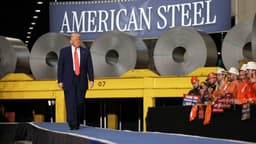
Trump Administration Increases Investments in Critical Minerals


- Surge in Investments: The Trump administration has made unprecedented equity investments in at least 10 companies over the past year, including critical minerals and chipmakers, aiming to build a domestic supply chain and reduce reliance on China, indicating a proactive government role in economic strategy.
- U.S. Steel Golden Share: The administration secured a golden share in U.S. Steel as a condition for approving Nippon Steel's acquisition, granting the president veto power over key business decisions, which ensures stability and growth in the U.S. steel industry, reflecting direct government intervention in vital sectors.
- Strategic Deal with MP Materials: The Defense Department struck a landmark deal with MP Materials, investing $400 million in preferred stock with rights to purchase additional shares, positioning the Pentagon as the largest single shareholder and further solidifying U.S. dominance in the rare earth mining sector.
- L3Harris and Defense Partnership: L3Harris announced a proposed partnership with the U.S. government, where the Pentagon will invest $1 billion in its rocket motor business, with plans for an IPO in the second half of 2026, allowing the Pentagon's investment to convert into common equity, enhancing the capital base of the defense industry.

US Collaborates with Mexico and Others on Critical Mineral Price Floors


- Critical Minerals Collaboration: The U.S. is partnering with Mexico, the EU, and Japan to implement minimum pricing for critical minerals within the next 60 days, addressing global market distortions and enhancing North American supply chain resilience.
- Action Plan Details: The U.S. Trade Representative indicated that the collaboration with Mexico will focus on establishing price floors for critical mineral imports and exploring how to implement these minimum prices in agreements with other nations.
- Strategic Partnerships: The cooperation with the EU and Japan will include a strategic partnership on critical minerals, with a memorandum of understanding on supply chain security expected within 30 days, demonstrating commitment from major market-oriented economies to a new trade paradigm.
- Policy Center Shift: The Trump administration has prioritized critical minerals in its trade and industrial policies to reduce dependence on China, enhancing domestic supply chain security through a national critical mineral stockpile and equity investments in related companies.
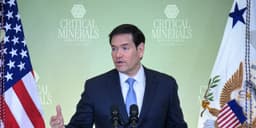
MP Stock Plummets Amid Vance and Rubio's Discussion on Critical Minerals


- Event Announcement: Secretary of State Marco Rubio is hosting the inaugural Critical Minerals Ministerial in Washington, D.C. on Wednesday.
- Focus of the Meeting: The ministerial aims to address issues related to critical minerals, which are essential for various industries and technologies.
- Significance: This event highlights the importance of securing a stable supply of critical minerals for national security and economic growth.
- Participants: The meeting is expected to involve discussions among key stakeholders, including government officials and industry leaders.

U.S. Rare Earth Miners' Shares Rise on New Reserve Plan


- Share Price Surge: Shares of U.S. rare earth miners rose in pre-market trading following President Trump's announcement of a $12 billion critical mineral reserve, indicating a positive market response to the initiative.
- Project Context: Known as Project Vault, this critical mineral reserve aims to counter China's dominance in rare earth minerals, protecting U.S. tech firms and automakers from supply shocks while reducing reliance on Chinese resources.
- Funding Structure: The plan combines $2 billion in private funding with a $10 billion loan from the U.S. Export-Import Bank, with Trump stating that American taxpayers are expected to profit from the interest on the loan, highlighting the project's potential economic benefits.
- National Security Strategy: The new reserve is modeled after existing strategic petroleum and critical stockpiles, intended to support U.S. industry and prevent future supply disruptions, thereby enhancing national security and economic resilience.

Trump Advocates for a Stockpile of Critical Minerals!

- Investor Confusion: Investors in rare earths and critical minerals are facing uncertainty due to recent developments in the market.
- U.S. Mineral Stockpile Report: A report indicating that the U.S. may initiate a mineral stockpile adds to the complexity of the situation.

Trump Seeks a Stockpile of Critical Minerals: Implications for MP Stock.
- Investor Confusion: Investors in MP Materials and other rare earths and critical minerals are facing uncertainty due to recent developments in the market.
- Mineral Stockpile Plan: A new plan to launch a mineral stockpile adds to the complexity of the situation for investors.
Trump Administration Increases Investments in Critical Minerals
- Surge in Investments: The Trump administration has made unprecedented equity investments in at least 10 companies over the past year, including critical minerals and chipmakers, aiming to build a domestic supply chain and reduce reliance on China, indicating a proactive government role in economic strategy.
- U.S. Steel Golden Share: The administration secured a golden share in U.S. Steel as a condition for approving Nippon Steel's acquisition, granting the president veto power over key business decisions, which ensures stability and growth in the U.S. steel industry, reflecting direct government intervention in vital sectors.
- Strategic Deal with MP Materials: The Defense Department struck a landmark deal with MP Materials, investing $400 million in preferred stock with rights to purchase additional shares, positioning the Pentagon as the largest single shareholder and further solidifying U.S. dominance in the rare earth mining sector.
- L3Harris and Defense Partnership: L3Harris announced a proposed partnership with the U.S. government, where the Pentagon will invest $1 billion in its rocket motor business, with plans for an IPO in the second half of 2026, allowing the Pentagon's investment to convert into common equity, enhancing the capital base of the defense industry.
US Collaborates with Mexico and Others on Critical Mineral Price Floors
- Critical Minerals Collaboration: The U.S. is partnering with Mexico, the EU, and Japan to implement minimum pricing for critical minerals within the next 60 days, addressing global market distortions and enhancing North American supply chain resilience.
- Action Plan Details: The U.S. Trade Representative indicated that the collaboration with Mexico will focus on establishing price floors for critical mineral imports and exploring how to implement these minimum prices in agreements with other nations.
- Strategic Partnerships: The cooperation with the EU and Japan will include a strategic partnership on critical minerals, with a memorandum of understanding on supply chain security expected within 30 days, demonstrating commitment from major market-oriented economies to a new trade paradigm.
- Policy Center Shift: The Trump administration has prioritized critical minerals in its trade and industrial policies to reduce dependence on China, enhancing domestic supply chain security through a national critical mineral stockpile and equity investments in related companies.
MP Stock Plummets Amid Vance and Rubio's Discussion on Critical Minerals
- Event Announcement: Secretary of State Marco Rubio is hosting the inaugural Critical Minerals Ministerial in Washington, D.C. on Wednesday.
- Focus of the Meeting: The ministerial aims to address issues related to critical minerals, which are essential for various industries and technologies.
- Significance: This event highlights the importance of securing a stable supply of critical minerals for national security and economic growth.
- Participants: The meeting is expected to involve discussions among key stakeholders, including government officials and industry leaders.
U.S. Rare Earth Miners' Shares Rise on New Reserve Plan
- Share Price Surge: Shares of U.S. rare earth miners rose in pre-market trading following President Trump's announcement of a $12 billion critical mineral reserve, indicating a positive market response to the initiative.
- Project Context: Known as Project Vault, this critical mineral reserve aims to counter China's dominance in rare earth minerals, protecting U.S. tech firms and automakers from supply shocks while reducing reliance on Chinese resources.
- Funding Structure: The plan combines $2 billion in private funding with a $10 billion loan from the U.S. Export-Import Bank, with Trump stating that American taxpayers are expected to profit from the interest on the loan, highlighting the project's potential economic benefits.
- National Security Strategy: The new reserve is modeled after existing strategic petroleum and critical stockpiles, intended to support U.S. industry and prevent future supply disruptions, thereby enhancing national security and economic resilience.
Trump Advocates for a Stockpile of Critical Minerals!
- Investor Confusion: Investors in rare earths and critical minerals are facing uncertainty due to recent developments in the market.
- U.S. Mineral Stockpile Report: A report indicating that the U.S. may initiate a mineral stockpile adds to the complexity of the situation.
Trump Seeks a Stockpile of Critical Minerals: Implications for MP Stock.
- Investor Confusion: Investors in MP Materials and other rare earths and critical minerals are facing uncertainty due to recent developments in the market.
- Mineral Stockpile Plan: A new plan to launch a mineral stockpile adds to the complexity of the situation for investors.