PepsiCo Reports Strong Q4 Earnings Exceeding Expectations

PepsiCo's stock rose by 3.00% and reached a 20-day high following the release of its fourth-quarter earnings report.
The report revealed that PepsiCo's adjusted earnings per share reached $2.26, surpassing Wall Street's expectation of $2.24, and net income increased by 67.1% year-over-year to $2.54 billion. Additionally, net sales rose 5.6% to $29.34 billion, exceeding market expectations, which solidifies the company's strong market performance and leadership in the food and beverage sector.
This strong performance not only boosts investor confidence but also reaffirms PepsiCo's long-term growth outlook, as the company aims to capture shifts in consumer demand through ongoing innovation and product optimization.
Trade with 70% Backtested Accuracy
Analyst Views on PEP

About PEP
About the author

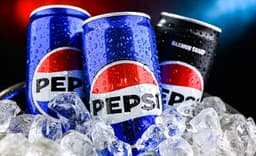
PepsiCo Plans Up to 15% Price Cut on Snacks
- Pricing Strategy: PepsiCo plans to reduce the suggested retail price of its core snack products by up to 15% in the U.S. to address ongoing consumer complaints about high prices, with adjustments expected on shelves this week, aiming to restore consumer trust and demand for its brands.
- Market Response: This price cut comes amid escalating consumer dissatisfaction with rising food costs, particularly among low- and middle-income households concerned about snack affordability, reflecting the company's responsiveness to market feedback.
- Sales Pressure: Sales volumes in the North American snacks business are under pressure, with recent quarterly figures showing declines in units sold; analysts view the price cuts as a strategic move to boost volume growth and compete with private-label brands, potentially attracting more consumers back to branded products.
- Retail Dynamics: The price reductions may influence retailers' pricing strategies and promotional planning, prompting competitive responses from other brands; buyers and merchandisers should closely monitor the speed of new price implementations and their impact on sales patterns ahead of key seasonal demand periods.

Investor Confusion in AI Competition


- Investor Sentiment Shift: Following earnings calls from tech giants like Microsoft, Google, and Amazon, investor confusion about future directions led to Amazon losing over $300 billion in market cap, reflecting strong skepticism regarding its $200 billion AI investment plan.
- Capital Expenditure Comparison: Google announced an increase in capital expenditures to $175 billion to $185 billion, exceeding the expected $115 billion to $120 billion, indicating a proactive approach in AI despite challenges from slowing ad revenues.
- Changing Competitive Landscape: With Alphabet's ongoing investments and successes in AI, YouTube's user base has grown to 750 million, and Waymo's self-driving business is outpacing Tesla, suggesting a strengthening competitive advantage that may attract more investor interest.
- Mixed Market Reactions: Despite OpenAI and Anthropic's strong performance in AI, Microsoft's Copilot sales have been disappointing, highlighting investor concerns about its future growth and reflecting differing levels of confidence across companies.

PepsiCo Focuses on Affordable Functional Foods

- Consumer Budget Pressure: CEO Ramon Laguarta highlights that despite a strong economy, middle and lower-income consumers are still facing budget constraints, particularly in discretionary categories, prompting the company to strategically adjust product pricing to maintain consumer loyalty.
- Functional Food Innovation: PepsiCo is introducing more functional and high-density foods to meet consumer demands for health and nutrition, particularly with the launch of artificial-free products like the Naked line, aimed at attracting ingredient-sensitive consumers and expanding market share.
- Pricing Adjustment Strategy: The company has conducted a six-month price testing across multiple U.S. markets, aiming to boost sales through moderate price reductions, especially on brands like Doritos, with plans for flexible adjustments based on market feedback to ensure affordability for consumers.
- Brand Investment and Growth: PepsiCo plans to make targeted investments to help consumers afford its products at both the beginning and end of the month, expecting this strategy to drive brand growth and reflect a positive trend in its overall food business, showcasing the company's keen insight into market demands.

MarketBeat Weekly Recap – February 2 to February 6


Market Volatility: Stocks experienced volatility as investors reacted to concerns about AI spending and its impact on the tech sector, leading to a sell-off earlier in the week, but buyers began to find value in oversold stocks.
Earnings Reports: As of January 30, 33% of S&P 500 companies reported earnings, with 75% exceeding earnings per share estimates, indicating a positive trend despite being below the five-year average.
Stock Performance Examples: Companies like AMD and Tyson Foods saw varied stock reactions post-earnings, with AMD's stock dropping despite solid earnings, while Tyson's stock rose after better-than-expected results.
Investment Opportunities: Analysts highlighted several stocks with strong fundamentals that could help investors navigate the volatile market, emphasizing the importance of long-term growth potential amidst short-term fluctuations.

Investors Nervous About Robinhood's Bitcoin Correlation


- Labor Data Impact: The upcoming nonfarm payroll report on Wednesday is expected to show an addition of 80,000 jobs, and if the data comes in weak, it could lead the Fed to continue cutting rates, which would positively impact the stock market, reflecting concerns about economic slowdown.
- CVS Health Earnings Outlook: CVS Health is set to report quarterly results on Tuesday, and despite being affected by the Trump administration's proposed reimbursement rates for Medicare Advantage, Cramer believes CEO David Joyner's management is impressive and the stock is worth owning.
- DuPont Performance Highlights: DuPont's earnings report on the same day is expected to showcase CEO Lori Koch's success in improving the company's performance, with the stock soaring 58% over the past six months, reflecting the effectiveness of its electronics business spin-off strategy.
- Robinhood Trading Risks: Robinhood will report earnings on Tuesday, and due to its close correlation with cryptocurrency markets, investors are concerned, as the stock has dropped nearly 27% year-to-date, significantly underperforming the S&P 500's 1.3% gain.

Soft Jobs Report Could Impact Stock Market Next Week
- Job Data Focus: Cramer emphasized the importance of the nonfarm payroll report due next Wednesday, suggesting that a soft reading could lead the Fed to continue cutting rates, which would positively impact the stock market and reflect market expectations of economic slowdown.
- Earnings Reports Ahead: Several companies, including CVS Health, Robinhood, and DuPont, are set to report earnings next week; Cramer believes CVS is the only drug retailer worth owning amid Medicare reform, showcasing its competitive edge in the market.
- DuPont's Strong Performance: Cramer anticipates that DuPont's earnings report will highlight CEO Lori Koch's effective management, particularly after the spinoff of its electronics business, with the stock soaring 58% over the past six months, indicating the success of the company's restructuring.
- McDonald's and Cisco Outlook: Cramer noted that McDonald's maintains a competitive advantage despite beef inflation, while Cisco's stock has risen 10% year-to-date, with both earnings reports expected to provide critical market signals for investors.
PepsiCo Plans Up to 15% Price Cut on Snacks
- Pricing Strategy: PepsiCo plans to reduce the suggested retail price of its core snack products by up to 15% in the U.S. to address ongoing consumer complaints about high prices, with adjustments expected on shelves this week, aiming to restore consumer trust and demand for its brands.
- Market Response: This price cut comes amid escalating consumer dissatisfaction with rising food costs, particularly among low- and middle-income households concerned about snack affordability, reflecting the company's responsiveness to market feedback.
- Sales Pressure: Sales volumes in the North American snacks business are under pressure, with recent quarterly figures showing declines in units sold; analysts view the price cuts as a strategic move to boost volume growth and compete with private-label brands, potentially attracting more consumers back to branded products.
- Retail Dynamics: The price reductions may influence retailers' pricing strategies and promotional planning, prompting competitive responses from other brands; buyers and merchandisers should closely monitor the speed of new price implementations and their impact on sales patterns ahead of key seasonal demand periods.
Investor Confusion in AI Competition
- Investor Sentiment Shift: Following earnings calls from tech giants like Microsoft, Google, and Amazon, investor confusion about future directions led to Amazon losing over $300 billion in market cap, reflecting strong skepticism regarding its $200 billion AI investment plan.
- Capital Expenditure Comparison: Google announced an increase in capital expenditures to $175 billion to $185 billion, exceeding the expected $115 billion to $120 billion, indicating a proactive approach in AI despite challenges from slowing ad revenues.
- Changing Competitive Landscape: With Alphabet's ongoing investments and successes in AI, YouTube's user base has grown to 750 million, and Waymo's self-driving business is outpacing Tesla, suggesting a strengthening competitive advantage that may attract more investor interest.
- Mixed Market Reactions: Despite OpenAI and Anthropic's strong performance in AI, Microsoft's Copilot sales have been disappointing, highlighting investor concerns about its future growth and reflecting differing levels of confidence across companies.
PepsiCo Focuses on Affordable Functional Foods
- Consumer Budget Pressure: CEO Ramon Laguarta highlights that despite a strong economy, middle and lower-income consumers are still facing budget constraints, particularly in discretionary categories, prompting the company to strategically adjust product pricing to maintain consumer loyalty.
- Functional Food Innovation: PepsiCo is introducing more functional and high-density foods to meet consumer demands for health and nutrition, particularly with the launch of artificial-free products like the Naked line, aimed at attracting ingredient-sensitive consumers and expanding market share.
- Pricing Adjustment Strategy: The company has conducted a six-month price testing across multiple U.S. markets, aiming to boost sales through moderate price reductions, especially on brands like Doritos, with plans for flexible adjustments based on market feedback to ensure affordability for consumers.
- Brand Investment and Growth: PepsiCo plans to make targeted investments to help consumers afford its products at both the beginning and end of the month, expecting this strategy to drive brand growth and reflect a positive trend in its overall food business, showcasing the company's keen insight into market demands.
MarketBeat Weekly Recap – February 2 to February 6
Market Volatility: Stocks experienced volatility as investors reacted to concerns about AI spending and its impact on the tech sector, leading to a sell-off earlier in the week, but buyers began to find value in oversold stocks.
Earnings Reports: As of January 30, 33% of S&P 500 companies reported earnings, with 75% exceeding earnings per share estimates, indicating a positive trend despite being below the five-year average.
Stock Performance Examples: Companies like AMD and Tyson Foods saw varied stock reactions post-earnings, with AMD's stock dropping despite solid earnings, while Tyson's stock rose after better-than-expected results.
Investment Opportunities: Analysts highlighted several stocks with strong fundamentals that could help investors navigate the volatile market, emphasizing the importance of long-term growth potential amidst short-term fluctuations.
Investors Nervous About Robinhood's Bitcoin Correlation
- Labor Data Impact: The upcoming nonfarm payroll report on Wednesday is expected to show an addition of 80,000 jobs, and if the data comes in weak, it could lead the Fed to continue cutting rates, which would positively impact the stock market, reflecting concerns about economic slowdown.
- CVS Health Earnings Outlook: CVS Health is set to report quarterly results on Tuesday, and despite being affected by the Trump administration's proposed reimbursement rates for Medicare Advantage, Cramer believes CEO David Joyner's management is impressive and the stock is worth owning.
- DuPont Performance Highlights: DuPont's earnings report on the same day is expected to showcase CEO Lori Koch's success in improving the company's performance, with the stock soaring 58% over the past six months, reflecting the effectiveness of its electronics business spin-off strategy.
- Robinhood Trading Risks: Robinhood will report earnings on Tuesday, and due to its close correlation with cryptocurrency markets, investors are concerned, as the stock has dropped nearly 27% year-to-date, significantly underperforming the S&P 500's 1.3% gain.
Soft Jobs Report Could Impact Stock Market Next Week
- Job Data Focus: Cramer emphasized the importance of the nonfarm payroll report due next Wednesday, suggesting that a soft reading could lead the Fed to continue cutting rates, which would positively impact the stock market and reflect market expectations of economic slowdown.
- Earnings Reports Ahead: Several companies, including CVS Health, Robinhood, and DuPont, are set to report earnings next week; Cramer believes CVS is the only drug retailer worth owning amid Medicare reform, showcasing its competitive edge in the market.
- DuPont's Strong Performance: Cramer anticipates that DuPont's earnings report will highlight CEO Lori Koch's effective management, particularly after the spinoff of its electronics business, with the stock soaring 58% over the past six months, indicating the success of the company's restructuring.
- McDonald's and Cisco Outlook: Cramer noted that McDonald's maintains a competitive advantage despite beef inflation, while Cisco's stock has risen 10% year-to-date, with both earnings reports expected to provide critical market signals for investors.