Eli Lilly's stock rises on acquisition talks with Ventyx Biosciences

Eli Lilly and Co's stock increased by 3.00%, reaching a 20-day high, amid a generally positive market environment with the Nasdaq-100 up 0.07% and the S&P 500 up 0.04%.
The rise in Eli Lilly's stock is attributed to ongoing acquisition talks with Ventyx Biosciences, which has seen its shares surge 62.6% on strong market anticipation of a deal valued at over $1 billion. This acquisition would significantly enhance Eli Lilly's portfolio in autoimmune and obesity treatments, positioning the company favorably in the biopharmaceutical sector.
This development not only reflects investor confidence in Eli Lilly's strategic direction but also highlights the potential for growth in its product offerings, particularly in the competitive landscape of obesity and autoimmune therapies.
Trade with 70% Backtested Accuracy
Analyst Views on LLY

About LLY
About the author


Eli Lilly Reports Strong Q4 Results Driven by Weight-Loss Drugs
- Significant Sales Growth: Eli Lilly's GLP-1 weight-loss drugs generated $7.4 billion in Q4 sales, a 110% increase, while Zepbound's revenue surged from $1.9 billion to $4.3 billion, indicating strong market demand and product acceptance.
- Overall Performance Exceeds Expectations: The company reported a 43% increase in total revenue to $19.29 billion for Q4, with adjusted earnings per share (EPS) jumping 42% to $7.54, significantly surpassing analyst expectations of $6.67, reflecting the company's competitive edge and profitability.
- Optimistic Future Outlook: Eli Lilly projects 2026 revenue between $80 billion and $83 billion, representing a 25% growth at the midpoint, and forecasts adjusted EPS ranging from $33.50 to $35, demonstrating confidence in future market demand.
- Huge Potential for New Drug: The upcoming oral GLP-1 drug orforglipron is expected to gain approval in Q2, and its convenient administration method positions Eli Lilly to further expand its market share in the GLP-1 drug sector, reinforcing the company's leadership in weight-loss medications.

Eli Lilly's Stock Rises on Strong Performance
- Significant Sales Growth: Eli Lilly's GLP-1 weight-loss drugs saw a remarkable 110% surge in Q4 sales to $7.4 billion, while Zepbound's revenue soared from $1.9 billion to $4.3 billion, indicating the company's strong growth potential in the weight-loss drug market.
- Financial Performance Exceeds Expectations: The company reported a 43% increase in total revenue for Q4, reaching $19.29 billion, with adjusted earnings per share (EPS) jumping 42% to $7.54, significantly surpassing analyst expectations of $6.67, reflecting its competitive edge and profitability in the market.
- Optimistic Future Outlook: Eli Lilly projects 2026 revenue between $80 billion and $83 billion, representing a 25% growth at the midpoint, and forecasts adjusted EPS ranging from $33.50 to $35, both exceeding market consensus, showcasing confidence in future growth.
- New Drug Potential: The upcoming GLP-1 drug orforglipron is expected to gain approval in Q2, and as an oral medication, it has the potential to rapidly expand market share, meeting the increasing demand for weight-loss drugs and further driving the company's performance growth.
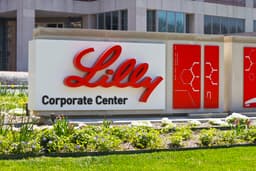
Innovent and Eli Lilly Sign Cancer Drug Development Agreement
- Partnership Continuation: Innovent has signed its seventh collaboration agreement with Eli Lilly to jointly develop experimental medicines targeting cancer and immune-related diseases, further solidifying their partnership that spans over a decade.
- Development Responsibilities: Under the agreement, Innovent will lead early-stage research and clinical development in China, while Lilly will handle development and commercialization outside Greater China, ensuring that both companies leverage their strengths effectively.
- Financial Support: Innovent will receive an upfront payment of $350 million and is eligible for additional milestone payments totaling up to $8.5 billion, highlighting the significant economic potential of this collaboration.
- Market Outlook: This partnership aims to accelerate global drug development by combining Innovent's antibody discovery platform with Lilly's late-stage development capabilities, advancing multiple pipeline assets to mid-stage clinical testing and enhancing market competitiveness.

Overview of Medicare Changes for Retirees in 2026

- Drug Cost Reduction: Thanks to the Inflation Reduction Act, retirees will see significant reductions in prescription drug costs starting in 2026, with price negotiations for the first ten drugs taking effect on January 1, 2026, alleviating financial burdens and improving overall financial health for retirees.
- Rising Medicare Costs: The standard Medicare Part B premium will increase from $185 to $202.90 in 2026, while the annual deductible will rise by $26 to $283, negatively impacting retirees' disposable income, especially as Social Security cost-of-living adjustments may not keep pace with these increases.
- Impact on High-Income Retirees: High-income retirees will face a 9% increase in the income-related monthly adjustment amount (IRMAA) in 2026, with income thresholds rising by about 3%, meaning more retirees will encounter higher healthcare costs, further straining their financial resources.
- Medicare Advantage Market Turmoil: Major insurers like Humana and UnitedHealth have withdrawn Medicare Advantage offerings in hundreds of counties, leading to reduced services and limited networks, with CEOs warning that future payment increases may have a “profoundly negative impact” on seniors' benefits and access to care.

INNOVENT PARTNERS WITH LILLY FOR GLOBAL DEVELOPMENT OF NEW ONCOLOGY AND IMMUNOLOGY MEDICINES

Strategic Collaboration Announcement: RPT has announced a strategic collaboration with Lilly to develop new medicines.
Focus Areas: The partnership will focus on oncology and immunology, aiming to advance treatment options in these fields.

Overview of Medicare Changes for Retirees in 2026
- Lower Drug Costs: Starting in 2026, the CMS can negotiate prices for the first time under the Inflation Reduction Act, potentially lowering costs for retirees on 10 key prescription drugs, particularly those for diabetes and heart conditions, thereby alleviating some financial burdens on retirees.
- Rising Premiums and Deductibles: The standard Medicare Part B premium has increased from $185 to $202.90 in 2026, with the annual deductible rising by $26 to $283, leading 54% of Social Security recipients to feel that the 2.8% COLA is insufficient to offset these increases, which may heighten financial stress for retirees.
- Impact on High-Income Retirees: High-income retirees will face a 9% increase in the income-related monthly adjustment amount (IRMAA) in 2026, with income thresholds rising by about 3%, further straining their healthcare budgets and reducing disposable income.
- Medicare Advantage Chaos: Major insurers like Humana and UnitedHealth have withdrawn Medicare Advantage offerings in hundreds of counties, reducing benefits for additional services; CEOs warn that the proposed 0.9% payment increase for 2027 could have a profoundly negative impact on seniors' benefits and access to care.
Eli Lilly Reports Strong Q4 Results Driven by Weight-Loss Drugs
- Significant Sales Growth: Eli Lilly's GLP-1 weight-loss drugs generated $7.4 billion in Q4 sales, a 110% increase, while Zepbound's revenue surged from $1.9 billion to $4.3 billion, indicating strong market demand and product acceptance.
- Overall Performance Exceeds Expectations: The company reported a 43% increase in total revenue to $19.29 billion for Q4, with adjusted earnings per share (EPS) jumping 42% to $7.54, significantly surpassing analyst expectations of $6.67, reflecting the company's competitive edge and profitability.
- Optimistic Future Outlook: Eli Lilly projects 2026 revenue between $80 billion and $83 billion, representing a 25% growth at the midpoint, and forecasts adjusted EPS ranging from $33.50 to $35, demonstrating confidence in future market demand.
- Huge Potential for New Drug: The upcoming oral GLP-1 drug orforglipron is expected to gain approval in Q2, and its convenient administration method positions Eli Lilly to further expand its market share in the GLP-1 drug sector, reinforcing the company's leadership in weight-loss medications.
Eli Lilly's Stock Rises on Strong Performance
- Significant Sales Growth: Eli Lilly's GLP-1 weight-loss drugs saw a remarkable 110% surge in Q4 sales to $7.4 billion, while Zepbound's revenue soared from $1.9 billion to $4.3 billion, indicating the company's strong growth potential in the weight-loss drug market.
- Financial Performance Exceeds Expectations: The company reported a 43% increase in total revenue for Q4, reaching $19.29 billion, with adjusted earnings per share (EPS) jumping 42% to $7.54, significantly surpassing analyst expectations of $6.67, reflecting its competitive edge and profitability in the market.
- Optimistic Future Outlook: Eli Lilly projects 2026 revenue between $80 billion and $83 billion, representing a 25% growth at the midpoint, and forecasts adjusted EPS ranging from $33.50 to $35, both exceeding market consensus, showcasing confidence in future growth.
- New Drug Potential: The upcoming GLP-1 drug orforglipron is expected to gain approval in Q2, and as an oral medication, it has the potential to rapidly expand market share, meeting the increasing demand for weight-loss drugs and further driving the company's performance growth.
Innovent and Eli Lilly Sign Cancer Drug Development Agreement
- Partnership Continuation: Innovent has signed its seventh collaboration agreement with Eli Lilly to jointly develop experimental medicines targeting cancer and immune-related diseases, further solidifying their partnership that spans over a decade.
- Development Responsibilities: Under the agreement, Innovent will lead early-stage research and clinical development in China, while Lilly will handle development and commercialization outside Greater China, ensuring that both companies leverage their strengths effectively.
- Financial Support: Innovent will receive an upfront payment of $350 million and is eligible for additional milestone payments totaling up to $8.5 billion, highlighting the significant economic potential of this collaboration.
- Market Outlook: This partnership aims to accelerate global drug development by combining Innovent's antibody discovery platform with Lilly's late-stage development capabilities, advancing multiple pipeline assets to mid-stage clinical testing and enhancing market competitiveness.
Overview of Medicare Changes for Retirees in 2026
- Drug Cost Reduction: Thanks to the Inflation Reduction Act, retirees will see significant reductions in prescription drug costs starting in 2026, with price negotiations for the first ten drugs taking effect on January 1, 2026, alleviating financial burdens and improving overall financial health for retirees.
- Rising Medicare Costs: The standard Medicare Part B premium will increase from $185 to $202.90 in 2026, while the annual deductible will rise by $26 to $283, negatively impacting retirees' disposable income, especially as Social Security cost-of-living adjustments may not keep pace with these increases.
- Impact on High-Income Retirees: High-income retirees will face a 9% increase in the income-related monthly adjustment amount (IRMAA) in 2026, with income thresholds rising by about 3%, meaning more retirees will encounter higher healthcare costs, further straining their financial resources.
- Medicare Advantage Market Turmoil: Major insurers like Humana and UnitedHealth have withdrawn Medicare Advantage offerings in hundreds of counties, leading to reduced services and limited networks, with CEOs warning that future payment increases may have a “profoundly negative impact” on seniors' benefits and access to care.
INNOVENT PARTNERS WITH LILLY FOR GLOBAL DEVELOPMENT OF NEW ONCOLOGY AND IMMUNOLOGY MEDICINES
Strategic Collaboration Announcement: RPT has announced a strategic collaboration with Lilly to develop new medicines.
Focus Areas: The partnership will focus on oncology and immunology, aiming to advance treatment options in these fields.
Overview of Medicare Changes for Retirees in 2026
- Lower Drug Costs: Starting in 2026, the CMS can negotiate prices for the first time under the Inflation Reduction Act, potentially lowering costs for retirees on 10 key prescription drugs, particularly those for diabetes and heart conditions, thereby alleviating some financial burdens on retirees.
- Rising Premiums and Deductibles: The standard Medicare Part B premium has increased from $185 to $202.90 in 2026, with the annual deductible rising by $26 to $283, leading 54% of Social Security recipients to feel that the 2.8% COLA is insufficient to offset these increases, which may heighten financial stress for retirees.
- Impact on High-Income Retirees: High-income retirees will face a 9% increase in the income-related monthly adjustment amount (IRMAA) in 2026, with income thresholds rising by about 3%, further straining their healthcare budgets and reducing disposable income.
- Medicare Advantage Chaos: Major insurers like Humana and UnitedHealth have withdrawn Medicare Advantage offerings in hundreds of counties, reducing benefits for additional services; CEOs warn that the proposed 0.9% payment increase for 2027 could have a profoundly negative impact on seniors' benefits and access to care.