Elevance Health Inc reaches 20-day high amid market strength
Written by Emily J. Thompson, Senior Investment Analyst
Updated: Aug 09 2024
0mins

Should l Buy ELV?
Source: Coinmarketcap
Elevance Health Inc's stock price increased by 3.00%, reaching a 20-day high of $353.91, reflecting positive momentum in the market.
This rise is attributed to broad market strength, with the Nasdaq-100 up 0.89% and the S&P 500 up 0.62%. The stock's position in the middle of its 52-week range indicates a cautious sentiment among investors, who are closely monitoring market dynamics as they reassess their strategies.
As the stock approaches its 52-week high, investor focus may shift, considering the significant volatility observed over the past year. This could lead to changes in investment strategies, particularly in the current economic climate.
Trade with 70% Backtested Accuracy
Stop guessing "Should I Buy ELV?" and start using high-conviction signals backed by rigorous historical data.
Sign up today to access powerful investing tools and make smarter, data-driven decisions.
Analyst Views on ELV
Wall Street analysts forecast ELV stock price to rise over the next 12 months. According to Wall Street analysts, the average 1-year price target for ELV is 392.07 USD with a low forecast of 320.00 USD and a high forecast of 431.00 USD. However, analyst price targets are subjective and often lag stock prices, so investors should focus on the objective reasons behind analyst rating changes, which better reflect the company's fundamentals.
15 Analyst Rating
11 Buy
4 Hold
0 Sell
Moderate Buy
Current: 332.250

Low
320.00
Averages
392.07
High
431.00
Current: 332.250
Low
320.00
Averages
392.07
High
431.00
About ELV
Elevance Health, Inc. is a health company. It operates as a health insurer in the United States. The Company operates through four segments: Health Benefits, CarelonRx, Carelon Services and Corporate & Other. The Health Benefits segment offers a comprehensive suite of health plans and services to its Individual, Employer Group risk-based, Employer Group fee-based, BlueCard, Medicare, Medicaid and Federal Employee Program (FEP) members. The Health Benefits segment also offers health products on a full-risk basis. The CarelonRx segment includes its pharmacy services business. CarelonRx markets and offers pharmacy services to its affiliated health plan customers, as well as to external customers outside of the health plans. The Carelon Services segment integrates physical, behavioral, pharmacy, and social services by offering an array of healthcare-related services and capabilities to internal and external customers through its Carelon Health and Carelon Insights businesses.
About the author

Emily J. Thompson
Emily J. Thompson, a Chartered Financial Analyst (CFA) with 12 years in investment research, graduated with honors from the Wharton School. Specializing in industrial and technology stocks, she provides in-depth analysis for Intellectia’s earnings and market brief reports.

U.S. Labor Department Pushes for Drug Pricing Transparency

- New Drug Transparency Regulation: The U.S. Department of Labor has proposed a regulation requiring Pharmacy Benefit Managers (PBMs) to fully disclose their compensation to self-insured health plans, impacting approximately 90 million Americans, aimed at eliminating hidden fees and enhancing transparency in the healthcare system.
- Targeting Hidden Fees: The regulation specifically addresses PBMs' practices such as spread pricing, rebates, and clawbacks, aiming to reduce improper profits made by PBMs in drug transactions by mandating disclosure of these fees to protect employers and patients' interests.
- Market Reaction: Following the announcement of a mere 0.09% increase in Medicare payments, the market reacted sharply, with Humana's stock dropping over 13% and UnitedHealth nearly 9%, reflecting investor concerns about the industry's outlook amidst rising costs.
- Long-term Profit Pressure: For companies like CVS, UnitedHealth, and Cigna, PBM services are a significant revenue driver; the new regulation may compress their profit margins, leading to prolonged earnings pressure for these healthcare giants.
See More

ELEVANCE HEALTH: UBS Lowers Price Target to $400 from $425
- Price Adjustment: The target price for Elevance Health's stock has been reduced from $425 to $400.
- Market Impact: This adjustment reflects changes in market conditions and expectations for the company's performance.
See More

Trump Administration's Medicare Proposal Shocks Healthcare Stocks
- Payment Increase Proposal: The Centers for Medicare and Medicaid Services proposed a mere 0.09% net increase in Medicare Advantage payments for 2027, significantly below the anticipated 4% to 6%, resulting in a $90 billion market value loss for the healthcare sector, highlighting the substantial impact of policy uncertainty on market dynamics.
- Earnings Risk Heightened: Analysts warn that if the proposed rates are finalized without adjustments, insurers could see a 15% to 20% decrease in earnings due to the disconnect between rising medical costs and flat funding, exacerbating profitability pressures within the industry.
- Bleak Industry Outlook: Although final rates are expected in April and historical trends suggest potential improvements, analysts predict the healthcare sector may enter a stagnation period of one to two years where earnings fail to expand as previously hoped, negatively affecting investor sentiment.
- Operational Improvements Overlooked: Despite UnitedHealth reporting quarterly improvements in profitability, the headline risk from the payment proposal continues to overshadow operational gains, with analysts noting that while progress is being made, significant recovery challenges remain.
See More
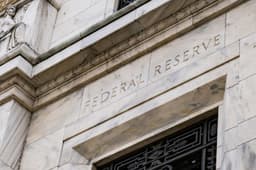
Mixed Close for US Stocks as Chipmakers Rally


- Chipmaker Strength: ASML reported record Q4 bookings of €13.2 billion, significantly exceeding the consensus of €6.85 billion, which boosted chipmakers and AI infrastructure stocks, enhancing market confidence in AI spending sustainability.
- Fed Policy Unchanged: The FOMC maintained the interest rate at 3.50%-3.75% as expected, with Chair Powell indicating strong economic performance without signaling imminent rate cuts, keeping market focus on future policy directions.
- Dollar and Gold Fluctuations: The dollar index rebounded after hitting a nearly four-year low, while President Trump's comments on dollar weakness pushed gold prices up over 3% to a new all-time high, reflecting increased demand for safe-haven assets.
- Economic Data Expectations: Initial jobless claims are expected to rise by 5,000 to 205,000 this week, and Q3 nonfarm productivity is anticipated to remain at 4.9%, indicating ongoing economic growth and potential market volatility.
See More
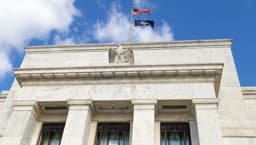
Mixed U.S. Stock Indices as ASML Reports Record Orders
- ASML Record Orders: ASML Holding NV reported Q4 bookings of €13.2 billion, significantly exceeding the consensus of €6.85 billion, indicating robust demand for advanced semiconductor manufacturing and reinforcing its leadership in the chip-making sector.
- Mixed Stock Performance: While the S&P 500 index reached a new all-time high and the Nasdaq 100 hit a three-month peak, market sentiment was tempered by the Federal Reserve's decision to keep interest rates steady, reflecting investor uncertainty regarding future economic policies.
- Interest Rate Policy Impact: The Fed's choice to maintain the benchmark rate between 3.5% and 3.75% ends a series of three consecutive rate cuts aimed at protecting the labor market, which may exert short-term negative pressure on the stock market.
- Market Focus: This week, the market will closely monitor new tariff news and the prospects for a continued resolution to fund the government, with initial jobless claims expected to rise by 5,000 to 205,000, highlighting the fragility of economic recovery.
See More

US Stocks Edge Up as ASML Reports Record Orders
- Market Performance: The S&P 500 index rose by 0.03%, reaching a new all-time high, while the Nasdaq 100 increased by 0.43%, reflecting strong investor confidence in tech stocks, particularly chipmakers and AI infrastructure.
- ASML Order Surge: ASML Holding NV reported record Q4 bookings of €13.2 billion, significantly exceeding the consensus of €6.85 billion, which not only solidifies the company's leadership in the semiconductor industry but also boosts market optimism regarding sustainable AI spending.
- Economic Data Impact: US MBA mortgage applications fell by 8.5% in the week ending January 23, with the purchase mortgage sub-index down 0.4% and refinancing down 15.7%, indicating pressure from high interest rates on the housing market that could affect future consumer spending.
- Political Risk Escalation: President Trump threatened new 100% tariffs on US imports from Canada and mentioned the possibility of a partial government shutdown, creating uncertainty that could negatively impact the stock market, prompting investors to closely monitor the upcoming FOMC meeting results.
See More
U.S. Labor Department Pushes for Drug Pricing Transparency
- New Drug Transparency Regulation: The U.S. Department of Labor has proposed a regulation requiring Pharmacy Benefit Managers (PBMs) to fully disclose their compensation to self-insured health plans, impacting approximately 90 million Americans, aimed at eliminating hidden fees and enhancing transparency in the healthcare system.
- Targeting Hidden Fees: The regulation specifically addresses PBMs' practices such as spread pricing, rebates, and clawbacks, aiming to reduce improper profits made by PBMs in drug transactions by mandating disclosure of these fees to protect employers and patients' interests.
- Market Reaction: Following the announcement of a mere 0.09% increase in Medicare payments, the market reacted sharply, with Humana's stock dropping over 13% and UnitedHealth nearly 9%, reflecting investor concerns about the industry's outlook amidst rising costs.
- Long-term Profit Pressure: For companies like CVS, UnitedHealth, and Cigna, PBM services are a significant revenue driver; the new regulation may compress their profit margins, leading to prolonged earnings pressure for these healthcare giants.
See More
ELEVANCE HEALTH: UBS Lowers Price Target to $400 from $425
- Price Adjustment: The target price for Elevance Health's stock has been reduced from $425 to $400.
- Market Impact: This adjustment reflects changes in market conditions and expectations for the company's performance.
See More
Trump Administration's Medicare Proposal Shocks Healthcare Stocks
- Payment Increase Proposal: The Centers for Medicare and Medicaid Services proposed a mere 0.09% net increase in Medicare Advantage payments for 2027, significantly below the anticipated 4% to 6%, resulting in a $90 billion market value loss for the healthcare sector, highlighting the substantial impact of policy uncertainty on market dynamics.
- Earnings Risk Heightened: Analysts warn that if the proposed rates are finalized without adjustments, insurers could see a 15% to 20% decrease in earnings due to the disconnect between rising medical costs and flat funding, exacerbating profitability pressures within the industry.
- Bleak Industry Outlook: Although final rates are expected in April and historical trends suggest potential improvements, analysts predict the healthcare sector may enter a stagnation period of one to two years where earnings fail to expand as previously hoped, negatively affecting investor sentiment.
- Operational Improvements Overlooked: Despite UnitedHealth reporting quarterly improvements in profitability, the headline risk from the payment proposal continues to overshadow operational gains, with analysts noting that while progress is being made, significant recovery challenges remain.
See More
Mixed Close for US Stocks as Chipmakers Rally
- Chipmaker Strength: ASML reported record Q4 bookings of €13.2 billion, significantly exceeding the consensus of €6.85 billion, which boosted chipmakers and AI infrastructure stocks, enhancing market confidence in AI spending sustainability.
- Fed Policy Unchanged: The FOMC maintained the interest rate at 3.50%-3.75% as expected, with Chair Powell indicating strong economic performance without signaling imminent rate cuts, keeping market focus on future policy directions.
- Dollar and Gold Fluctuations: The dollar index rebounded after hitting a nearly four-year low, while President Trump's comments on dollar weakness pushed gold prices up over 3% to a new all-time high, reflecting increased demand for safe-haven assets.
- Economic Data Expectations: Initial jobless claims are expected to rise by 5,000 to 205,000 this week, and Q3 nonfarm productivity is anticipated to remain at 4.9%, indicating ongoing economic growth and potential market volatility.
See More
Mixed U.S. Stock Indices as ASML Reports Record Orders
- ASML Record Orders: ASML Holding NV reported Q4 bookings of €13.2 billion, significantly exceeding the consensus of €6.85 billion, indicating robust demand for advanced semiconductor manufacturing and reinforcing its leadership in the chip-making sector.
- Mixed Stock Performance: While the S&P 500 index reached a new all-time high and the Nasdaq 100 hit a three-month peak, market sentiment was tempered by the Federal Reserve's decision to keep interest rates steady, reflecting investor uncertainty regarding future economic policies.
- Interest Rate Policy Impact: The Fed's choice to maintain the benchmark rate between 3.5% and 3.75% ends a series of three consecutive rate cuts aimed at protecting the labor market, which may exert short-term negative pressure on the stock market.
- Market Focus: This week, the market will closely monitor new tariff news and the prospects for a continued resolution to fund the government, with initial jobless claims expected to rise by 5,000 to 205,000, highlighting the fragility of economic recovery.
See More
US Stocks Edge Up as ASML Reports Record Orders
- Market Performance: The S&P 500 index rose by 0.03%, reaching a new all-time high, while the Nasdaq 100 increased by 0.43%, reflecting strong investor confidence in tech stocks, particularly chipmakers and AI infrastructure.
- ASML Order Surge: ASML Holding NV reported record Q4 bookings of €13.2 billion, significantly exceeding the consensus of €6.85 billion, which not only solidifies the company's leadership in the semiconductor industry but also boosts market optimism regarding sustainable AI spending.
- Economic Data Impact: US MBA mortgage applications fell by 8.5% in the week ending January 23, with the purchase mortgage sub-index down 0.4% and refinancing down 15.7%, indicating pressure from high interest rates on the housing market that could affect future consumer spending.
- Political Risk Escalation: President Trump threatened new 100% tariffs on US imports from Canada and mentioned the possibility of a partial government shutdown, creating uncertainty that could negatively impact the stock market, prompting investors to closely monitor the upcoming FOMC meeting results.
See More