Dillard's stock declines amid market weakness

Dillard's Inc (DDS) experienced a price drop of 5.02% during regular trading, hitting a 5-day low. This decline comes as the broader market shows signs of weakness, with the Nasdaq-100 down 0.25% and the S&P 500 down 0.38%.
The stock's movement reflects sector rotation amid the overall market decline, as investors reassess their positions in retail amidst mixed economic signals. The delayed U.S. jobs report and upcoming economic data are contributing to a cautious market sentiment.
Despite the recent downturn, Dillard's has shown strong performance over the past five years, with a significant increase in stock value driven by profitability and strategic initiatives. Investors remain optimistic about the company's future, although current market conditions are impacting short-term performance.
Trade with 70% Backtested Accuracy
Analyst Views on DDS

About DDS
About the author


Dillard's Stock Surges Over 1200%, Significant Dividend Growth

- Dillard's Stock Performance: Between December 2020 and December 2025, Dillard's shares surged over 1200%, outperforming the S&P 500, Nvidia, and Bitcoin, showcasing its strong post-pandemic recovery and market competitiveness.
- Dividend Policy Advantage: With a 15-year track record of dividend growth averaging 12.9% annually over the past five years, combined with a forward yield of 4.8%, Dillard's is expected to continue delivering solid capital returns in the future.
- Nexstar's Profitability: As the largest owner of broadcast television stations in the U.S., Nexstar has successfully enhanced profitability through aggressive cost-cutting, currently boasting a forward dividend yield of 3.5% and a payout ratio of only 45%, providing ample cash flow for future acquisitions and debt repayment.
- Target's Turnaround Potential: Target's stock has rallied over the past year, with a forward yield of 4.1% and a payout ratio nearing 60%, while its 57 years of consecutive dividend growth, coupled with pressure from activist hedge funds, may further enhance management's turnaround efforts, positively impacting share price and dividend growth prospects.

Dillard's Stock Surges Over 1200% in Five Years, Driven by Dividends and Buybacks
- Outstanding Stock Performance: Dillard's stock has surged over 1200% in the past five years, significantly outperforming the S&P 500, Nvidia, and Bitcoin, reflecting strong market performance and investor confidence.
- Sustained Dividend Growth: With a 15-year track record of dividend growth averaging 12.9% annually over the last five years, Dillard's is expected to maintain a forward yield of 4.8%, enhancing investor return expectations.
- Nexstar Acquisition Potential: Nexstar Broadcast Group has successfully improved profitability through aggressive cost-cutting, currently boasting a forward dividend yield of 3.5%, with potential earnings growth from the pending Tegna acquisition.
- Target Shareholder Activism: Target, a Dividend King with 57 years of consecutive dividend growth and a forward yield of 4.1%, may see accelerated transformation efforts due to pressure from activist hedge fund Toms Capital, potentially boosting share price and dividend growth.

Analysts Upgrade Earnings Outlook: 10 Consumer Giants Rated A+


- Earnings Upgrades: As earnings season approaches, analysts have positively revised earnings expectations for consumer giants like Ralph Lauren, Ross Stores, and Sony Group, all receiving A+ ratings, indicating growing market confidence.
- Increased Market Confidence: Dillard’s, Carnival, and Somnigroup International also received A ratings, suggesting these companies demonstrate strong profitability in the current economic environment, potentially attracting more investor interest.
- Investor Focus: Trip.com Group and Williams-Sonoma also earned A ratings, reflecting analysts' optimistic outlook on their future performance, which may drive their stock prices up post-earnings release.
- Consumer Sector Outlook: Amer Sports and Five Below received A ratings, highlighting the potential of the consumer sector in the economic recovery, prompting investors to monitor these companies' future performance.

Buffett Retires as CEO of Berkshire Hathaway; Abel Takes Over Leadership

- Leadership Transition: Warren Buffett officially retired in 2026, with Greg Abel taking over as CEO, which is expected to influence the strategic direction and operational integration of Berkshire's diverse businesses.
- Portfolio Management: With Todd Combs' departure, Ted Wechsler is set to manage approximately $300 billion in equity investments, likely continuing Buffett's value-investing philosophy to maintain investment stability.
- Cash Reserve Advantage: Berkshire's cash and short-term Treasury holdings total around $377.4 billion, exceeding its total public stock investments, providing robust financial support for future market opportunities.
- Investment Strategy Continuation: Wechsler's successful track record at his previous hedge fund will aid his investment decisions at Berkshire, and despite the challenges of managing large sums, he is still expected to achieve positive investment returns.
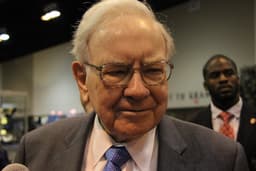
Buffett Steps Down, Ted Wechsler Takes Over $300 Billion Portfolio at Berkshire Hathaway
- Leadership Transition: Warren Buffett officially stepped down as CEO of Berkshire Hathaway in 2026, with Greg Abel succeeding him and focusing on the company's diverse operations, marking a significant shift in governance structure.
- Portfolio Management: Ted Wechsler is expected to take sole responsibility for managing Berkshire's $300 billion equity portfolio, and despite the challenges of deploying such large sums, he will continue to apply Buffett's value-investing philosophy.
- Cash Reserve Advantage: As of the third quarter, Berkshire's cash and short-term Treasury reserves stood at approximately $377.4 billion, exceeding its total stock investments, providing a robust buffer for future market fluctuations.
- Market Concentration: Berkshire's portfolio remains highly concentrated, with the top five holdings (Apple, American Express, Bank of America, Coca-Cola, and Chevron) accounting for 70% of the total investments, reflecting the risk and reward characteristics of its investment strategy.

Macy's Shares Surge Nearly 30%, Yet Valuation Remains Below Peers


- Strong Stock Performance: Macy's shares have surged nearly 30% year-to-date, significantly outperforming the S&P 500's 15% increase, indicating market recognition of its future potential.
- Valuation Discrepancy: Currently trading at a price-to-earnings ratio of approximately 12.5 times, Macy's remains undervalued compared to Kohl's at 20 times and Dillard's at 34 times, suggesting considerable room for stock price appreciation.
- Earnings Expectations Comparison: Analysts forecast Macy's earnings per share at $2.21 for 2027, while Kohl's and Dillard's are expected at $1.23 and $27.92 respectively, highlighting that Macy's low valuation may be a market misjudgment.
- Strategic Turnaround Plan: Macy's is executing its
Dillard's Stock Surges Over 1200%, Significant Dividend Growth
- Dillard's Stock Performance: Between December 2020 and December 2025, Dillard's shares surged over 1200%, outperforming the S&P 500, Nvidia, and Bitcoin, showcasing its strong post-pandemic recovery and market competitiveness.
- Dividend Policy Advantage: With a 15-year track record of dividend growth averaging 12.9% annually over the past five years, combined with a forward yield of 4.8%, Dillard's is expected to continue delivering solid capital returns in the future.
- Nexstar's Profitability: As the largest owner of broadcast television stations in the U.S., Nexstar has successfully enhanced profitability through aggressive cost-cutting, currently boasting a forward dividend yield of 3.5% and a payout ratio of only 45%, providing ample cash flow for future acquisitions and debt repayment.
- Target's Turnaround Potential: Target's stock has rallied over the past year, with a forward yield of 4.1% and a payout ratio nearing 60%, while its 57 years of consecutive dividend growth, coupled with pressure from activist hedge funds, may further enhance management's turnaround efforts, positively impacting share price and dividend growth prospects.
Dillard's Stock Surges Over 1200% in Five Years, Driven by Dividends and Buybacks
- Outstanding Stock Performance: Dillard's stock has surged over 1200% in the past five years, significantly outperforming the S&P 500, Nvidia, and Bitcoin, reflecting strong market performance and investor confidence.
- Sustained Dividend Growth: With a 15-year track record of dividend growth averaging 12.9% annually over the last five years, Dillard's is expected to maintain a forward yield of 4.8%, enhancing investor return expectations.
- Nexstar Acquisition Potential: Nexstar Broadcast Group has successfully improved profitability through aggressive cost-cutting, currently boasting a forward dividend yield of 3.5%, with potential earnings growth from the pending Tegna acquisition.
- Target Shareholder Activism: Target, a Dividend King with 57 years of consecutive dividend growth and a forward yield of 4.1%, may see accelerated transformation efforts due to pressure from activist hedge fund Toms Capital, potentially boosting share price and dividend growth.
Analysts Upgrade Earnings Outlook: 10 Consumer Giants Rated A+
- Earnings Upgrades: As earnings season approaches, analysts have positively revised earnings expectations for consumer giants like Ralph Lauren, Ross Stores, and Sony Group, all receiving A+ ratings, indicating growing market confidence.
- Increased Market Confidence: Dillard’s, Carnival, and Somnigroup International also received A ratings, suggesting these companies demonstrate strong profitability in the current economic environment, potentially attracting more investor interest.
- Investor Focus: Trip.com Group and Williams-Sonoma also earned A ratings, reflecting analysts' optimistic outlook on their future performance, which may drive their stock prices up post-earnings release.
- Consumer Sector Outlook: Amer Sports and Five Below received A ratings, highlighting the potential of the consumer sector in the economic recovery, prompting investors to monitor these companies' future performance.
Buffett Retires as CEO of Berkshire Hathaway; Abel Takes Over Leadership
- Leadership Transition: Warren Buffett officially retired in 2026, with Greg Abel taking over as CEO, which is expected to influence the strategic direction and operational integration of Berkshire's diverse businesses.
- Portfolio Management: With Todd Combs' departure, Ted Wechsler is set to manage approximately $300 billion in equity investments, likely continuing Buffett's value-investing philosophy to maintain investment stability.
- Cash Reserve Advantage: Berkshire's cash and short-term Treasury holdings total around $377.4 billion, exceeding its total public stock investments, providing robust financial support for future market opportunities.
- Investment Strategy Continuation: Wechsler's successful track record at his previous hedge fund will aid his investment decisions at Berkshire, and despite the challenges of managing large sums, he is still expected to achieve positive investment returns.
Buffett Steps Down, Ted Wechsler Takes Over $300 Billion Portfolio at Berkshire Hathaway
- Leadership Transition: Warren Buffett officially stepped down as CEO of Berkshire Hathaway in 2026, with Greg Abel succeeding him and focusing on the company's diverse operations, marking a significant shift in governance structure.
- Portfolio Management: Ted Wechsler is expected to take sole responsibility for managing Berkshire's $300 billion equity portfolio, and despite the challenges of deploying such large sums, he will continue to apply Buffett's value-investing philosophy.
- Cash Reserve Advantage: As of the third quarter, Berkshire's cash and short-term Treasury reserves stood at approximately $377.4 billion, exceeding its total stock investments, providing a robust buffer for future market fluctuations.
- Market Concentration: Berkshire's portfolio remains highly concentrated, with the top five holdings (Apple, American Express, Bank of America, Coca-Cola, and Chevron) accounting for 70% of the total investments, reflecting the risk and reward characteristics of its investment strategy.
Macy's Shares Surge Nearly 30%, Yet Valuation Remains Below Peers
- Strong Stock Performance: Macy's shares have surged nearly 30% year-to-date, significantly outperforming the S&P 500's 15% increase, indicating market recognition of its future potential.
- Valuation Discrepancy: Currently trading at a price-to-earnings ratio of approximately 12.5 times, Macy's remains undervalued compared to Kohl's at 20 times and Dillard's at 34 times, suggesting considerable room for stock price appreciation.
- Earnings Expectations Comparison: Analysts forecast Macy's earnings per share at $2.21 for 2027, while Kohl's and Dillard's are expected at $1.23 and $27.92 respectively, highlighting that Macy's low valuation may be a market misjudgment.
- Strategic Turnaround Plan: Macy's is executing its