Alibaba's Stock Rises Amid Regulatory Challenges

Alibaba Group Holding Ltd's stock rose by 5.00% as it crossed above the 5-day SMA, indicating a positive price movement despite broader market weakness with the Nasdaq-100 down 0.55% and the S&P 500 down 0.01%.
This increase comes amid concerns over new regulatory rules in China that prohibit major e-commerce platforms from forcing merchants into promotions. Despite these challenges, Alibaba's significant investment of $17.2 billion in AI and cloud computing is expected to drive long-term growth, showcasing the company's commitment to innovation and market leadership.
The implications of this stock movement suggest that investors are optimistic about Alibaba's future potential, particularly in the AI and cloud sectors, even as regulatory pressures mount. The market's reaction indicates a belief in the company's ability to adapt and thrive in a competitive landscape.
Trade with 70% Backtested Accuracy
Analyst Views on BABA

About BABA
About the author


China Accelerates Space-Based AI Compute Infrastructure Development

- Space Compute Infrastructure Plan: The China Aerospace Science and Technology Corporation has unveiled a five-year plan to establish a 'gigawatt-level space digital infrastructure' aimed at supporting space-based data processing, reflecting the nation's ambitions in the space computing sector.
- Asteroid Resource Exploration: The initiative includes plans for asteroid resource exploration and autonomous mineral extraction, indicating China's forward-looking approach to space resource development, which could lay the groundwork for a future space economy.
- Space Tourism Market Development: China aims to establish a comprehensive space tourism operation system, with InterstellOr targeting its first crewed flight in 2028 at a ticket price of approximately RMB 3 million, showcasing the potential and allure of the space tourism market.
- Intensified Technological Competition: The escalating competition between China and the U.S. in the space sector may drive both nations to achieve breakthroughs in technological innovation, promoting the advancement and application of future space technologies.

Alibaba Unveils Qwen AI Tools for 2026 Olympics
- Global Rollout: Alibaba Cloud has launched a suite of Qwen AI tools, marking the first integration of a large language model into the digital infrastructure of the 2026 Milano Cortina Winter Olympics, which signifies the company's strategic positioning in the global AI market.
- User Incentive Campaign: To drive adoption of Qwen, Alibaba initiated a $420 million cash incentive program during the Lunar New Year, aimed at boosting downloads and usage, resulting in over 100 million monthly active users within just two months.
- Infrastructure Strain: The surge in demand from the incentive campaign caused system crashes, preventing many users from accessing the campaign entry page, prompting Alibaba to urgently increase resources to ensure smooth system operations.
- Technological Upgrades and Competition: Alibaba is continuously enhancing Qwen's capabilities, including the relaunch of its AI chatbot and the introduction of the Zhenwu 810E processor, which offers performance comparable to Nvidia's China-focused H20 chip, thereby strengthening its competitive edge in the consumer AI market.

Alibaba's Qwen App Tops Charts on China App Store
- Qwen App Success: Alibaba's Qwen AI app has topped the free app charts on the Apple App Store in China, indicating strong market interest in its AI capabilities, even as sluggish core e-commerce growth weighs on overall sentiment.
- Investor Sentiment Shift: Following a six-day losing streak, Stocktwits sentiment for BABA has turned ‘bearish’, reflecting investor concerns about the company's future performance amid a challenging market environment.
- Nvidia H200 Sales Update: Alibaba, along with ByteDance and Tencent, has received approval from Chinese authorities to purchase over 400,000 Nvidia H200 chips, although this sale is still entangled in diplomatic issues that could impact the company's technological advancements and market competitiveness.
- Stock Price Fluctuations: Despite a 0.5% rise in BABA's stock during early trading, the KraneShares CSI China Internet ETF has dipped 8.5% over the past five sessions, highlighting the overall pessimism surrounding tech stocks in the current market climate.

Micron Technology's Stock Surges 261% Amid AI Demand

- Surging Market Demand: Micron Technology's memory chips have seen demand significantly outpace market supply, leading to a 261% stock price increase over the past six months, with a market cap nearing $500 billion, making it one of only 20 publicly traded companies worth this much.
- Gross Margin Improvement: In its first fiscal quarter, Micron's gross margin rose from 46% in the previous quarter to 57%, indicating the company's success in raising product prices amid a tight supply-demand environment, with expectations for this trend to continue, further enhancing its market competitiveness.
- Positive Industry Outlook: Management indicated in their earnings report that they expect supply-demand tightness to persist through 2026, suggesting that while future earnings may face cyclical fluctuations, strong market performance is likely to continue in the short term.
- Potential Competition from Alibaba: Despite Micron's strong performance, Alibaba's cloud computing business is growing rapidly, with analysts projecting a 40% increase in earnings per share next year, indicating that it could potentially surpass Micron's market cap in the future, highlighting the intense competition in the market.

Amazon Stock Declines Amid Market Sell-Off

- Stock Decline: Amazon (AMZN) closed at $222.69, down 4.42% on Thursday, reflecting investor reactions to a broader tech and AI sell-off, which has dampened market sentiment.
- Surge in Trading Volume: Trading volume reached 87.3 million shares, about 110% above the three-month average of 41.5 million shares, indicating heightened investor interest in Amazon's future performance despite the stock's decline.
- Mixed Earnings Report: Amazon reported revenue of $213.4 billion, exceeding expectations, although earnings slightly disappointed; AWS cloud service revenue grew 24% year-over-year, showcasing strong performance in the cloud computing sector.
- Capital Expenditure Outlook: Amazon anticipates approximately $200 billion in capital spending by 2026, a staggering figure that may unsettle investors, but if a clear path to return on these investments emerges, the stock could rebound quickly and continue its upward trajectory.
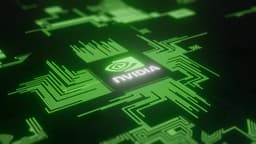
NVIDIA Faces Multiple Pressures and Challenges

- Gaming GPU Delay: NVIDIA may skip launching a new gaming graphics chip this year due to a global memory chip shortage, marking the first time in nearly three decades without a new release, which could impact its market competitiveness and revenue.
- China Export Plans Stalled: Despite President Trump's support, NVIDIA's shipments of H200 AI chips to China remain under review, with national security assessments causing customers to pause new orders, affecting the company's market share in China.
- OpenAI Investment Plans Draw Attention: CEO Jensen Huang is reportedly close to finalizing a $20 billion investment in OpenAI, which would be NVIDIA's largest investment in the startup, although scrutiny over their partnership may influence future strategic directions.
- Stock Price Fluctuation: As of Thursday, NVIDIA's stock rose 0.51% to $175.08, indicating cautious optimism in the market despite facing multiple challenges.
China Accelerates Space-Based AI Compute Infrastructure Development
- Space Compute Infrastructure Plan: The China Aerospace Science and Technology Corporation has unveiled a five-year plan to establish a 'gigawatt-level space digital infrastructure' aimed at supporting space-based data processing, reflecting the nation's ambitions in the space computing sector.
- Asteroid Resource Exploration: The initiative includes plans for asteroid resource exploration and autonomous mineral extraction, indicating China's forward-looking approach to space resource development, which could lay the groundwork for a future space economy.
- Space Tourism Market Development: China aims to establish a comprehensive space tourism operation system, with InterstellOr targeting its first crewed flight in 2028 at a ticket price of approximately RMB 3 million, showcasing the potential and allure of the space tourism market.
- Intensified Technological Competition: The escalating competition between China and the U.S. in the space sector may drive both nations to achieve breakthroughs in technological innovation, promoting the advancement and application of future space technologies.
Alibaba Unveils Qwen AI Tools for 2026 Olympics
- Global Rollout: Alibaba Cloud has launched a suite of Qwen AI tools, marking the first integration of a large language model into the digital infrastructure of the 2026 Milano Cortina Winter Olympics, which signifies the company's strategic positioning in the global AI market.
- User Incentive Campaign: To drive adoption of Qwen, Alibaba initiated a $420 million cash incentive program during the Lunar New Year, aimed at boosting downloads and usage, resulting in over 100 million monthly active users within just two months.
- Infrastructure Strain: The surge in demand from the incentive campaign caused system crashes, preventing many users from accessing the campaign entry page, prompting Alibaba to urgently increase resources to ensure smooth system operations.
- Technological Upgrades and Competition: Alibaba is continuously enhancing Qwen's capabilities, including the relaunch of its AI chatbot and the introduction of the Zhenwu 810E processor, which offers performance comparable to Nvidia's China-focused H20 chip, thereby strengthening its competitive edge in the consumer AI market.
Alibaba's Qwen App Tops Charts on China App Store
- Qwen App Success: Alibaba's Qwen AI app has topped the free app charts on the Apple App Store in China, indicating strong market interest in its AI capabilities, even as sluggish core e-commerce growth weighs on overall sentiment.
- Investor Sentiment Shift: Following a six-day losing streak, Stocktwits sentiment for BABA has turned ‘bearish’, reflecting investor concerns about the company's future performance amid a challenging market environment.
- Nvidia H200 Sales Update: Alibaba, along with ByteDance and Tencent, has received approval from Chinese authorities to purchase over 400,000 Nvidia H200 chips, although this sale is still entangled in diplomatic issues that could impact the company's technological advancements and market competitiveness.
- Stock Price Fluctuations: Despite a 0.5% rise in BABA's stock during early trading, the KraneShares CSI China Internet ETF has dipped 8.5% over the past five sessions, highlighting the overall pessimism surrounding tech stocks in the current market climate.
Micron Technology's Stock Surges 261% Amid AI Demand
- Surging Market Demand: Micron Technology's memory chips have seen demand significantly outpace market supply, leading to a 261% stock price increase over the past six months, with a market cap nearing $500 billion, making it one of only 20 publicly traded companies worth this much.
- Gross Margin Improvement: In its first fiscal quarter, Micron's gross margin rose from 46% in the previous quarter to 57%, indicating the company's success in raising product prices amid a tight supply-demand environment, with expectations for this trend to continue, further enhancing its market competitiveness.
- Positive Industry Outlook: Management indicated in their earnings report that they expect supply-demand tightness to persist through 2026, suggesting that while future earnings may face cyclical fluctuations, strong market performance is likely to continue in the short term.
- Potential Competition from Alibaba: Despite Micron's strong performance, Alibaba's cloud computing business is growing rapidly, with analysts projecting a 40% increase in earnings per share next year, indicating that it could potentially surpass Micron's market cap in the future, highlighting the intense competition in the market.
Amazon Stock Declines Amid Market Sell-Off
- Stock Decline: Amazon (AMZN) closed at $222.69, down 4.42% on Thursday, reflecting investor reactions to a broader tech and AI sell-off, which has dampened market sentiment.
- Surge in Trading Volume: Trading volume reached 87.3 million shares, about 110% above the three-month average of 41.5 million shares, indicating heightened investor interest in Amazon's future performance despite the stock's decline.
- Mixed Earnings Report: Amazon reported revenue of $213.4 billion, exceeding expectations, although earnings slightly disappointed; AWS cloud service revenue grew 24% year-over-year, showcasing strong performance in the cloud computing sector.
- Capital Expenditure Outlook: Amazon anticipates approximately $200 billion in capital spending by 2026, a staggering figure that may unsettle investors, but if a clear path to return on these investments emerges, the stock could rebound quickly and continue its upward trajectory.
NVIDIA Faces Multiple Pressures and Challenges
- Gaming GPU Delay: NVIDIA may skip launching a new gaming graphics chip this year due to a global memory chip shortage, marking the first time in nearly three decades without a new release, which could impact its market competitiveness and revenue.
- China Export Plans Stalled: Despite President Trump's support, NVIDIA's shipments of H200 AI chips to China remain under review, with national security assessments causing customers to pause new orders, affecting the company's market share in China.
- OpenAI Investment Plans Draw Attention: CEO Jensen Huang is reportedly close to finalizing a $20 billion investment in OpenAI, which would be NVIDIA's largest investment in the startup, although scrutiny over their partnership may influence future strategic directions.
- Stock Price Fluctuation: As of Thursday, NVIDIA's stock rose 0.51% to $175.08, indicating cautious optimism in the market despite facing multiple challenges.