Zacks Analyst Blog Spotlights Netflix, Mastercard, Shell, and Moving iMage


Featured Stocks: The Zacks Analyst Blog highlights stocks including Netflix, Mastercard, Shell, and Moving iMage Technologies, providing insights into their performance and market strategies.
Netflix Performance: Netflix has seen a 35.6% increase in shares this year, driven by a growing subscriber base and successful content strategy, despite facing competition from other streaming services.
Mastercard Insights: Mastercard's shares have risen 11.9% year-to-date, with strong earnings and digital adoption driving growth, although high operating expenses and lower dividend yield present concerns.
Shell and MITQ Analysis: Shell has outperformed its industry but faces revenue declines and ESG scrutiny, while Moving iMage Technologies is benefiting from a box office rebound, though it struggles with sales volatility and inventory issues.
Trade with 70% Backtested Accuracy
Analyst Views on SHEL

About SHEL
About the author


U.S. Treasury Eases Oil and Gas Investment Restrictions in Venezuela

- New License Issued: The U.S. Treasury has issued a general license allowing international oil companies, including Chevron, to negotiate and sign contracts for oil and gas extraction in Venezuela, paving the way for global oil firms to re-enter the country.
- Tax Requirements: Under the new license, participating companies must pay oil and gas royalties or taxes to Venezuela or its state-run energy company, with these funds deposited into a U.S. Treasury account for foreign governments, ensuring transparency in fund allocation.
- Legal Adjustment Context: The license announcement aligns with adjustments made by Venezuela's interim government to its hydrocarbon law aimed at easing state control over the oil industry, although major U.S. firms remain cautious about investing.
- Market Reaction: Following this news, stocks of major oil companies like Chevron, BP, and Shell rose between 0.5% and 1.7%, indicating a positive market response to the new investment opportunities.

Shell Reviews Strategic Options for Sprng Energy Amid Portfolio Shift
- Strategic Review Initiated: Shell has confirmed it is reviewing strategic options for Sprng Energy, its India-based renewable power unit acquired for $1.55 billion in 2022, although it has not commented on the review's outcome, reflecting a reassessment of its low-carbon portfolio.
- Operational Capacity Overview: Sprng Energy boasts an operational capacity of 2,300 MWp and a contracted total capacity of 5,026 MWp, indicating its potential in the Indian renewable energy market while providing a significant asset base for Shell's long-term strategy.
- CEO's Shift in Perspective: Shell's CEO Wael Sawan stated at the International Energy Week 2026 that the company cannot be divorced from global energy demands, suggesting a possible adjustment to its net-zero emissions target in light of anticipated growth in energy consumption.
- Future Production Goals: Shell aims to increase oil and gas production by at least 1 million barrels of oil equivalent per day by 2030, indicating a continued investment in traditional energy sectors, which may influence its renewable energy strategy.
Shell Does Not Need Additional Asset Acquisitions to Meet 2030 Targets
- Short-Term Gap Coverage: CEO Wael Sawan stated that Shell has largely covered its anticipated near-term production shortfall through investments in the U.S. Gulf, Brazil, Nigeria, Angola, South Africa, and Namibia, ensuring the company can meet its 2030 targets without additional acquisitions.
- Declining Reserve Life: As of 2025, Shell's reserve life has dropped to less than eight years, down from nine years in 2024, indicating a concerning decline in production from maturing fields, which is significantly lower than the 12-plus years seen at Exxon and TotalEnergies, potentially impacting future output.
- Capital Utilization Strategy: Sawan emphasized that Shell does not need to leverage its own capital for U.S. LNG projects due to the availability of abundant low-cost funding for infrastructure, which helps mitigate financial risks and optimize capital allocation.
- LNG Market Management: As one of the largest offtakers of U.S. LNG, Shell effectively manages price exposure through customer contracts indexed to Henry Hub natural gas prices, allowing the company to capture attractive value in the LNG chain without tying up significant capital.
Shell plc Announces Audit Tender Outcome
- Auditor Appointment: Shell plc has announced that the Board approved the nomination of Pricewaterhouse Coopers (PwC) as its external auditor following a competitive tender process initiated in Q4 2025, with the appointment effective for the financial year ending December 31, 2027, pending shareholder approval at the 2027 AGM.
- Current Auditor Continuation: Ernst & Young (EY) will continue as Shell's external auditor for the financial year ending December 31, 2026, also subject to shareholder approval at the 2026 AGM, ensuring continuity in audit services.
- Audit Report Quality: Over the past two years, EY issued only unqualified reports on Shell's consolidated financial statements and internal control effectiveness, with no disagreements on accounting matters or disclosures, indicating stable audit quality.
- Tender Process Transparency: Audit tender participants were informed of the outcome on February 5, 2026, and further details regarding the tender process will be included in Shell's 2025 Annual Report and Form 20-F, enhancing corporate governance transparency.

Energy ETFs Transition with LNG Market Growth

- Earnings Impact: Mixed Q4 earnings from major oil producers have led to a nearly 4% drop in ConocoPhillips (NYSE:COP) shares, primarily due to lower realized oil prices affecting year-over-year earnings, despite steady production growth.
- LNG Project Progress: ConocoPhillips highlighted advancements in liquefied natural gas (LNG) initiatives, including developments in Qatar and the Port Arthur LNG project, indicating a strategic pivot towards global gas markets that is expected to positively influence future earnings.
- ETF Investment Trends: Many flagship energy funds are heavily weighted towards large integrated producers, while globally focused products like the iShares Global Energy ETF (NYSE:IXC) include international LNG leaders such as Shell, providing investors with indirect exposure to the expanding global gas trade.
- Stable Shareholder Returns: Despite earnings pressures, shareholder payouts remain robust across the energy sector, with dividends and share repurchases by large producers continuing to enhance the yield profile of energy ETFs, indicating a transition in the sector rather than deterioration.
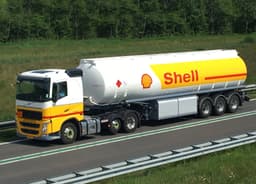
Shell Q4 Earnings Miss Expectations Amid Buyback and Dividend Increase
- Earnings Decline: Shell (SHEL) reported a Q4 adjusted net income of $3.26 billion, an 11% year-over-year drop that fell short of the $3.5 billion analyst consensus, indicating that a 2% production increase was insufficient to enhance profitability, potentially raising scrutiny on CEO Wael Sawan.
- Shareholder Returns: Despite disappointing earnings, Shell maintained its $3.5 billion quarterly buyback program and raised its dividend by 4% to $0.372 per share, resulting in shareholder payouts totaling 52% of operating cash flow over the last four quarters, exceeding the company's target range of 40%-50%.
- Rising Operating Costs: Analysts expressed concerns over Shell's increasing operating expenses, suggesting that the sustainability of the buyback program could be jeopardized without improved financial performance, which may impact investor confidence moving forward.
- Declining Reserve Life: Shell's reserve life decreased from 8.9 years in 2024 to 7.8 years, primarily due to asset sales in Nigeria and oil sands, leading analysts to anticipate increased scrutiny regarding Shell's M&A reserve replacement strategy.
U.S. Treasury Eases Oil and Gas Investment Restrictions in Venezuela
- New License Issued: The U.S. Treasury has issued a general license allowing international oil companies, including Chevron, to negotiate and sign contracts for oil and gas extraction in Venezuela, paving the way for global oil firms to re-enter the country.
- Tax Requirements: Under the new license, participating companies must pay oil and gas royalties or taxes to Venezuela or its state-run energy company, with these funds deposited into a U.S. Treasury account for foreign governments, ensuring transparency in fund allocation.
- Legal Adjustment Context: The license announcement aligns with adjustments made by Venezuela's interim government to its hydrocarbon law aimed at easing state control over the oil industry, although major U.S. firms remain cautious about investing.
- Market Reaction: Following this news, stocks of major oil companies like Chevron, BP, and Shell rose between 0.5% and 1.7%, indicating a positive market response to the new investment opportunities.
Shell Reviews Strategic Options for Sprng Energy Amid Portfolio Shift
- Strategic Review Initiated: Shell has confirmed it is reviewing strategic options for Sprng Energy, its India-based renewable power unit acquired for $1.55 billion in 2022, although it has not commented on the review's outcome, reflecting a reassessment of its low-carbon portfolio.
- Operational Capacity Overview: Sprng Energy boasts an operational capacity of 2,300 MWp and a contracted total capacity of 5,026 MWp, indicating its potential in the Indian renewable energy market while providing a significant asset base for Shell's long-term strategy.
- CEO's Shift in Perspective: Shell's CEO Wael Sawan stated at the International Energy Week 2026 that the company cannot be divorced from global energy demands, suggesting a possible adjustment to its net-zero emissions target in light of anticipated growth in energy consumption.
- Future Production Goals: Shell aims to increase oil and gas production by at least 1 million barrels of oil equivalent per day by 2030, indicating a continued investment in traditional energy sectors, which may influence its renewable energy strategy.
Shell Does Not Need Additional Asset Acquisitions to Meet 2030 Targets
- Short-Term Gap Coverage: CEO Wael Sawan stated that Shell has largely covered its anticipated near-term production shortfall through investments in the U.S. Gulf, Brazil, Nigeria, Angola, South Africa, and Namibia, ensuring the company can meet its 2030 targets without additional acquisitions.
- Declining Reserve Life: As of 2025, Shell's reserve life has dropped to less than eight years, down from nine years in 2024, indicating a concerning decline in production from maturing fields, which is significantly lower than the 12-plus years seen at Exxon and TotalEnergies, potentially impacting future output.
- Capital Utilization Strategy: Sawan emphasized that Shell does not need to leverage its own capital for U.S. LNG projects due to the availability of abundant low-cost funding for infrastructure, which helps mitigate financial risks and optimize capital allocation.
- LNG Market Management: As one of the largest offtakers of U.S. LNG, Shell effectively manages price exposure through customer contracts indexed to Henry Hub natural gas prices, allowing the company to capture attractive value in the LNG chain without tying up significant capital.
Shell plc Announces Audit Tender Outcome
- Auditor Appointment: Shell plc has announced that the Board approved the nomination of Pricewaterhouse Coopers (PwC) as its external auditor following a competitive tender process initiated in Q4 2025, with the appointment effective for the financial year ending December 31, 2027, pending shareholder approval at the 2027 AGM.
- Current Auditor Continuation: Ernst & Young (EY) will continue as Shell's external auditor for the financial year ending December 31, 2026, also subject to shareholder approval at the 2026 AGM, ensuring continuity in audit services.
- Audit Report Quality: Over the past two years, EY issued only unqualified reports on Shell's consolidated financial statements and internal control effectiveness, with no disagreements on accounting matters or disclosures, indicating stable audit quality.
- Tender Process Transparency: Audit tender participants were informed of the outcome on February 5, 2026, and further details regarding the tender process will be included in Shell's 2025 Annual Report and Form 20-F, enhancing corporate governance transparency.
Energy ETFs Transition with LNG Market Growth
- Earnings Impact: Mixed Q4 earnings from major oil producers have led to a nearly 4% drop in ConocoPhillips (NYSE:COP) shares, primarily due to lower realized oil prices affecting year-over-year earnings, despite steady production growth.
- LNG Project Progress: ConocoPhillips highlighted advancements in liquefied natural gas (LNG) initiatives, including developments in Qatar and the Port Arthur LNG project, indicating a strategic pivot towards global gas markets that is expected to positively influence future earnings.
- ETF Investment Trends: Many flagship energy funds are heavily weighted towards large integrated producers, while globally focused products like the iShares Global Energy ETF (NYSE:IXC) include international LNG leaders such as Shell, providing investors with indirect exposure to the expanding global gas trade.
- Stable Shareholder Returns: Despite earnings pressures, shareholder payouts remain robust across the energy sector, with dividends and share repurchases by large producers continuing to enhance the yield profile of energy ETFs, indicating a transition in the sector rather than deterioration.
Shell Q4 Earnings Miss Expectations Amid Buyback and Dividend Increase
- Earnings Decline: Shell (SHEL) reported a Q4 adjusted net income of $3.26 billion, an 11% year-over-year drop that fell short of the $3.5 billion analyst consensus, indicating that a 2% production increase was insufficient to enhance profitability, potentially raising scrutiny on CEO Wael Sawan.
- Shareholder Returns: Despite disappointing earnings, Shell maintained its $3.5 billion quarterly buyback program and raised its dividend by 4% to $0.372 per share, resulting in shareholder payouts totaling 52% of operating cash flow over the last four quarters, exceeding the company's target range of 40%-50%.
- Rising Operating Costs: Analysts expressed concerns over Shell's increasing operating expenses, suggesting that the sustainability of the buyback program could be jeopardized without improved financial performance, which may impact investor confidence moving forward.
- Declining Reserve Life: Shell's reserve life decreased from 8.9 years in 2024 to 7.8 years, primarily due to asset sales in Nigeria and oil sands, leading analysts to anticipate increased scrutiny regarding Shell's M&A reserve replacement strategy.