Trump's Potential Move to Curb Defense-Stock Dividends Could Be Detrimental.
Written by Emily J. Thompson, Senior Investment Analyst
Updated: Dec 18 2025
0mins


Source: Barron's
Trump's Generosity: President Donald Trump is being likened to Santa Claus due to his actions that are perceived as generous or benevolent.
Public Perception: This comparison suggests that Trump is attempting to win favor with the public through his policies or initiatives.
Trade with 70% Backtested Accuracy
Stop guessing "Should I Buy BA?" and start using high-conviction signals backed by rigorous historical data.
Sign up today to access powerful investing tools and make smarter, data-driven decisions.
Analyst Views on BA
Wall Street analysts forecast BA stock price to rise
17 Analyst Rating
14 Buy
2 Hold
1 Sell
Strong Buy
Current: 239.350

Low
150.00
Averages
252.43
High
285.00
Current: 239.350
Low
150.00
Averages
252.43
High
285.00
About BA
The Boeing Company is an aerospace company. Its segments include Commercial Airplanes (BCA), Defense, Space & Security (BDS), and Global Services (BGS). Its BCA segment develops, produces and markets commercial jet aircraft principally for the commercial airline industry worldwide. Its family of commercial jet aircraft in production includes the 737 narrow-body model and the 767, 777 and 787 wide-body models. Its BDS segment is engaged in the research, development, production and modification of manned and unmanned military aircraft and weapons systems for strike, surveillance and mobility. Its BGS segment provides services to its commercial and defense customers worldwide. It sustains aerospace platforms and systems with a range of products and services, including supply chain and logistics management, engineering, maintenance and modifications, upgrades and conversions, spare parts, pilot and maintenance training systems and services, technical and maintenance documents, and others.
About the author

Emily J. Thompson
Emily J. Thompson, a Chartered Financial Analyst (CFA) with 12 years in investment research, graduated with honors from the Wharton School. Specializing in industrial and technology stocks, she provides in-depth analysis for Intellectia’s earnings and market brief reports.

Boeing Faces Increased Cash Flow Pressure Amid Debt and Development Costs

- Cash Flow Challenges: Boeing's consolidated debt reached $54.1 billion by the end of 2025, while cash and marketable securities totaled $29.4 billion, resulting in a net debt of $24.7 billion, with a cash burn of $1.9 billion in 2025, indicating significant pressure on the company to manage debt repayment and new aircraft development.
- New Aircraft Development Costs: The former CEO indicated that developing a new narrowbody aircraft would cost approximately $50 billion, which will further strain Boeing's financial resources, particularly given the current cash flow constraints.
- Rising Capital Expenditures: Boeing's capital spending surged to $4 billion in 2025, up from $2.9 billion in 2024, driven partly by the need to ensure timely delivery of fixed-price development programs, which adds additional pressure on cash flow.
- 737 MAX Production Outlook: Despite cash flow pressures, the ramp-up in 737 MAX production is expected to enhance profitability and cash flow, with management guiding for free cash flow between $1 billion and $3 billion next year, indicating potential growth amidst challenges.
See More
Surge in U.S. Defense Contracts in January 2026

- Total Defense Contracts: In January 2026, the U.S. Defense Security Cooperation Agency submitted 11 arms deals to Congress, totaling $22.5 billion, indicating a robust growth in defense investments that could drive stock prices of involved companies higher.
- Lockheed Martin's Gains: Among these deals, Lockheed Martin secured a $9 billion contract for 730 PAC-3 MSE missiles from Saudi Arabia, making it the largest beneficiary and further solidifying its leadership position in the global defense market.
- Boeing's Contract: Boeing won a $2.3 billion contract in Singapore for four P-8A Poseidon patrol aircraft and their weapon systems, although RTX will not gain additional revenue, Boeing's defense division is expected to improve its financial performance.
- Israel's Order: Israel placed a $3.8 billion order for 30 AH-64E Apache attack helicopters and related equipment from Boeing and Lockheed Martin, reflecting Israel's ongoing demand for advanced military equipment and further driving growth for both companies in the international market.
See More
US Defense Agency Proposes $22.5 Billion in Arms Sales
- Total Arms Sales: The U.S. Defense Security Cooperation Agency (DSCA) submitted 11 arms deals to Congress in January, totaling $22.5 billion, indicating a robust growth trend in defense investments that could further boost stock prices of involved companies.
- Major Contract Beneficiary: Lockheed Martin secured a $9 billion contract for 730 PAC-3 MSE missiles and related equipment for Saudi Arabia on January 30, underscoring its dominant position in the international defense market and expected to significantly enhance the company's revenue and profits.
- Boeing's Contract: Boeing won a $2.3 billion contract on January 20 for Singapore's purchase of four P-8A Poseidon patrol aircraft, which, despite its defense division still being unprofitable, will provide crucial cash flow that may improve its financial standing.
- Israeli Orders: Israel is ordering 30 AH-64E Apache attack helicopters and related equipment from Lockheed and Boeing for a total of $3.8 billion, showcasing the strong competitive edge of both companies in the global defense market while laying a foundation for future growth.
See More
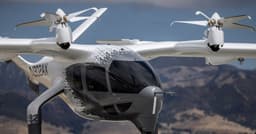
Joby Aviation Partners with Nvidia for Autonomous Flight Development


- Strategic Partnership: Joby Aviation's collaboration with Nvidia to leverage the IGX Thor platform enhances its autonomous flight capabilities, potentially positioning Joby as a leader in the electric vertical take-off and landing (eVTOL) market.
- Technological Innovation: By utilizing Nvidia's technology, Joby aims to advance its Superpilot system towards certifiable autonomy, strengthening its market position for both civil and military applications while mitigating competition from Wisk.
- Market Positioning: Unlike Archer Aviation, Joby not only designs and manufactures eVTOLs but also plans to operate transportation services, leveraging its first-mover advantage to secure funding and establish technological trust in the marketplace.
- Data-Driven Development: Joby's autonomous flight initiatives will generate substantial flight-hour data akin to Tesla's full self-driving software, further enhancing its technological capabilities and accelerating market entry, making it an attractive stock for investors seeking eVTOL exposure.
See More

Joby Partners with Nvidia to Develop Autonomous Flight Technology
- Collaborative Development: Joby's partnership with Nvidia will leverage the latter's IGX Thor platform alongside Joby's Superpilot technology to advance autonomous flight capabilities, which is expected to significantly enhance Joby's competitiveness in the eVTOL market.
- Market Leadership Advantage: Joby's vertically integrated strategy positions it as a first mover in the electric vertical take-off and landing market, with plans to launch autonomous flight features by late 2025, potentially gaining an edge in funding and market trust.
- Dual-Use Strategy: Joby's plan to develop autonomous eVTOLs for military applications in the near term not only allows for early technology testing but also lays the groundwork for future civil market adoption, akin to Tesla's data accumulation for full self-driving software.
- Risk Management and Competition: By collaborating with Nvidia, Joby mitigates the risk of Wisk overtaking it in the autonomous market, with expectations that Joby could launch both piloted air taxis and possibly autonomous military versions before Wisk's civil autonomous eVTOL is certified.
See More
United Launch Alliance Rocket Experiences Issue During Mission
- Rocket Issue Investigation: United Launch Alliance is reviewing data after a problem occurred with its Vulcan rocket during a U.S. Space Force mission, although the main booster, upper stage, and payload operated normally, the incident could impact future launch reliability.
- Launch History Overview: Since its debut in January 2024, Vulcan has completed four flights, yet its rollout has been hampered by technical challenges and schedule delays, particularly highlighted by a small explosion of a side-mounted booster during its second mission in October 2024.
- Leadership Changes: Interim CEO John Elbon took over after longtime CEO Tory Bruno departed in December, and he stated that previous issues have been addressed, asserting that the rocket is ready for regular service.
- Expansion Plans: ULA is building additional facilities and launch pads at Kennedy Space Center to increase flight cadence, facing pressure from competitors like SpaceX and Blue Origin, while needing to secure its market share.
See More
Boeing Faces Increased Cash Flow Pressure Amid Debt and Development Costs
- Cash Flow Challenges: Boeing's consolidated debt reached $54.1 billion by the end of 2025, while cash and marketable securities totaled $29.4 billion, resulting in a net debt of $24.7 billion, with a cash burn of $1.9 billion in 2025, indicating significant pressure on the company to manage debt repayment and new aircraft development.
- New Aircraft Development Costs: The former CEO indicated that developing a new narrowbody aircraft would cost approximately $50 billion, which will further strain Boeing's financial resources, particularly given the current cash flow constraints.
- Rising Capital Expenditures: Boeing's capital spending surged to $4 billion in 2025, up from $2.9 billion in 2024, driven partly by the need to ensure timely delivery of fixed-price development programs, which adds additional pressure on cash flow.
- 737 MAX Production Outlook: Despite cash flow pressures, the ramp-up in 737 MAX production is expected to enhance profitability and cash flow, with management guiding for free cash flow between $1 billion and $3 billion next year, indicating potential growth amidst challenges.
See More
Surge in U.S. Defense Contracts in January 2026
- Total Defense Contracts: In January 2026, the U.S. Defense Security Cooperation Agency submitted 11 arms deals to Congress, totaling $22.5 billion, indicating a robust growth in defense investments that could drive stock prices of involved companies higher.
- Lockheed Martin's Gains: Among these deals, Lockheed Martin secured a $9 billion contract for 730 PAC-3 MSE missiles from Saudi Arabia, making it the largest beneficiary and further solidifying its leadership position in the global defense market.
- Boeing's Contract: Boeing won a $2.3 billion contract in Singapore for four P-8A Poseidon patrol aircraft and their weapon systems, although RTX will not gain additional revenue, Boeing's defense division is expected to improve its financial performance.
- Israel's Order: Israel placed a $3.8 billion order for 30 AH-64E Apache attack helicopters and related equipment from Boeing and Lockheed Martin, reflecting Israel's ongoing demand for advanced military equipment and further driving growth for both companies in the international market.
See More
US Defense Agency Proposes $22.5 Billion in Arms Sales
- Total Arms Sales: The U.S. Defense Security Cooperation Agency (DSCA) submitted 11 arms deals to Congress in January, totaling $22.5 billion, indicating a robust growth trend in defense investments that could further boost stock prices of involved companies.
- Major Contract Beneficiary: Lockheed Martin secured a $9 billion contract for 730 PAC-3 MSE missiles and related equipment for Saudi Arabia on January 30, underscoring its dominant position in the international defense market and expected to significantly enhance the company's revenue and profits.
- Boeing's Contract: Boeing won a $2.3 billion contract on January 20 for Singapore's purchase of four P-8A Poseidon patrol aircraft, which, despite its defense division still being unprofitable, will provide crucial cash flow that may improve its financial standing.
- Israeli Orders: Israel is ordering 30 AH-64E Apache attack helicopters and related equipment from Lockheed and Boeing for a total of $3.8 billion, showcasing the strong competitive edge of both companies in the global defense market while laying a foundation for future growth.
See More
Joby Aviation Partners with Nvidia for Autonomous Flight Development
- Strategic Partnership: Joby Aviation's collaboration with Nvidia to leverage the IGX Thor platform enhances its autonomous flight capabilities, potentially positioning Joby as a leader in the electric vertical take-off and landing (eVTOL) market.
- Technological Innovation: By utilizing Nvidia's technology, Joby aims to advance its Superpilot system towards certifiable autonomy, strengthening its market position for both civil and military applications while mitigating competition from Wisk.
- Market Positioning: Unlike Archer Aviation, Joby not only designs and manufactures eVTOLs but also plans to operate transportation services, leveraging its first-mover advantage to secure funding and establish technological trust in the marketplace.
- Data-Driven Development: Joby's autonomous flight initiatives will generate substantial flight-hour data akin to Tesla's full self-driving software, further enhancing its technological capabilities and accelerating market entry, making it an attractive stock for investors seeking eVTOL exposure.
See More
Joby Partners with Nvidia to Develop Autonomous Flight Technology
- Collaborative Development: Joby's partnership with Nvidia will leverage the latter's IGX Thor platform alongside Joby's Superpilot technology to advance autonomous flight capabilities, which is expected to significantly enhance Joby's competitiveness in the eVTOL market.
- Market Leadership Advantage: Joby's vertically integrated strategy positions it as a first mover in the electric vertical take-off and landing market, with plans to launch autonomous flight features by late 2025, potentially gaining an edge in funding and market trust.
- Dual-Use Strategy: Joby's plan to develop autonomous eVTOLs for military applications in the near term not only allows for early technology testing but also lays the groundwork for future civil market adoption, akin to Tesla's data accumulation for full self-driving software.
- Risk Management and Competition: By collaborating with Nvidia, Joby mitigates the risk of Wisk overtaking it in the autonomous market, with expectations that Joby could launch both piloted air taxis and possibly autonomous military versions before Wisk's civil autonomous eVTOL is certified.
See More
United Launch Alliance Rocket Experiences Issue During Mission
- Rocket Issue Investigation: United Launch Alliance is reviewing data after a problem occurred with its Vulcan rocket during a U.S. Space Force mission, although the main booster, upper stage, and payload operated normally, the incident could impact future launch reliability.
- Launch History Overview: Since its debut in January 2024, Vulcan has completed four flights, yet its rollout has been hampered by technical challenges and schedule delays, particularly highlighted by a small explosion of a side-mounted booster during its second mission in October 2024.
- Leadership Changes: Interim CEO John Elbon took over after longtime CEO Tory Bruno departed in December, and he stated that previous issues have been addressed, asserting that the rocket is ready for regular service.
- Expansion Plans: ULA is building additional facilities and launch pads at Kennedy Space Center to increase flight cadence, facing pressure from competitors like SpaceX and Blue Origin, while needing to secure its market share.
See More