Top 3 Chinese Stocks Analysts Recommend Buying Right Now


China's Economic Influence: China continues to be a significant player in the global economy, offering market opportunities through reforms and strong growth in various sectors, making Chinese stocks attractive to investors.
Top Chinese Stocks: Analysts have identified three Chinese stocks rated as "Strong Buy" using TipRanks’ tool, which allows for comparison across various investment factors.
Alibaba Group Overview: Alibaba, a major tech company, has seen its stock rise over 80% this year, with analysts giving it 19 Buy ratings and a price target suggesting a 30% upside.
Bilibili and NetEase Performance: Bilibili, a video-sharing platform, has gained 33% year-to-date with strong analyst support, while NetEase, a gaming company, has increased by 50% with a positive outlook from analysts.
Trade with 70% Backtested Accuracy
Analyst Views on BABA

About BABA
About the author

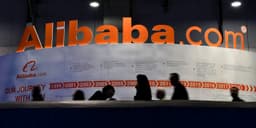
Alibaba Enhances AI Model: Implications for Software Stock Decline and Concerns in China.

- AI Model Upgrade: Alibaba has enhanced its flagship artificial intelligence model, indicating advancements in AI technology.
- Impact on Software Stocks: This upgrade poses a potential threat to software stocks, although corporate hesitance towards Chinese technology may mitigate immediate risks.

Alibaba Launches New AI Model Qwen3.5 with Enhanced Capabilities
- AI Model Launch: Alibaba unveiled its new AI model Qwen3.5 on Monday, which excels in executing complex tasks and demonstrates performance on par with leading models, marking a significant advancement for the company in the AI sector.
- Cost Efficiency Improvement: Qwen3.5 achieves a 60% reduction in deployment costs while matching the performance of the Qwen3-Max model, which exceeds one trillion parameters, showcasing its substantial advantage in cost-effectiveness.
- Multimodal Capabilities: The new model supports not only text processing but also image and video handling, boasting strong language understanding, reasoning, and code generation capabilities, further solidifying Alibaba's competitive position in the AI market.
- Market Competition Pressure: Despite the impressive performance of Qwen3.5, Alibaba faces intense competition from companies like ByteDance, Baidu, and DeepSeek, which are also launching new AI models to capture market share.

2026 Chinese New Year Expected to Boost Consumer Spending

- Travel Volume Surge: The 2026 Chinese New Year holiday is expected to last nine days, with passenger traffic projected to increase by over 5% year-on-year, which will invigorate the tourism sector and related consumer spending in China.
- Government Spending Stimulus: The Chinese government has allocated approximately 2.05 billion yuan for 'New Year gift packages,' including consumption vouchers and cash red envelopes, which will directly stimulate household consumption and drive growth in sectors like dining, shopping, and tourism.
- Macau Casino Benefits: Macau casino operators such as Wynn Resorts and Las Vegas Sands are expected to benefit from increased holiday visitation and gaming revenue, with analysts forecasting strong performance for the 2026 CNY period, positively impacting quarterly earnings.
- Online Travel Agency Opportunities: Online travel agency Trip.com Group is anticipated to benefit from robust travel trends during the holiday, as improved booking patterns and a shift towards premium travel options support a positive outlook for overall travel spending.
AI Progress Drives Performance in China's Internet Sector
- AI-Driven Performance: Analyst Robin Zhu from Bernstein noted that while the China Internet sector has had a lackluster start to 2026, AI advancements remain a key driver of relative performance, particularly with Alibaba's Qwen introducing agentic services that support the company's outperformance.
- Tencent's Challenges: Despite Tencent delivering solid AI ROI through its ads and gaming businesses, its chatbot development has faced scrutiny; Bernstein believes that Tencent's shares still offer a positive risk-reward profile as earnings compound and more AI-enabled services are introduced.
- Red Packet Incentives: Bernstein highlighted that leading platforms are using red packet promotions to stimulate user adoption, although this method is seen as a roundabout way to drive search behavior, leading investors to seek clearer evidence of AI's impact.
- Regulatory Environment Impact: Zhu pointed out that while Alibaba's AI optionality remains significant following the Qwen3-Max-Thinking launch, the complex regulatory backdrop and recent investigations may weigh on market sentiment, although recent pullbacks could improve the risk-reward profile.

China's Gen Z Embraces Counterfeits, Leaving Luxury Brands Disappointed in Their Investment.


- Changing Consumer Landscape: The traditional Chinese luxury consumer, known for their brand obsession, is fading away.
- Emergence of a New Generation: A new group of savvy shoppers is rising, valuing shopping intelligence and experience over mere brand loyalty.

China's Regulator Summons Internet Giants for Compliance
- Regulatory Compliance Demand: China's State Administration for Market Regulation summoned leading internet platforms like Alibaba, Baidu, and JD.com, mandating strict adherence to anti-unfair competition laws, e-commerce laws, consumer rights protection laws, and pricing laws to ensure fair market competition.
- Warning Against Cutthroat Competition: The regulator urged companies to eliminate 'involution-style competition,' which refers to cutthroat rivalry, and called for collaboration to maintain a healthy market environment, promoting sustainable development and industry stability.
- Participating Companies: Other firms such as ByteDance's Douyin, Tencent, Meituan, and Taobao also took part in the discussions, highlighting the regulator's focus on the entire industry and the importance of compliance.
- Impact on Market Environment: This regulatory action may have profound implications for internet companies' operational models, prompting them to prioritize compliance and cooperation in their competitive strategies, thereby influencing the future market landscape.
Alibaba Enhances AI Model: Implications for Software Stock Decline and Concerns in China.
- AI Model Upgrade: Alibaba has enhanced its flagship artificial intelligence model, indicating advancements in AI technology.
- Impact on Software Stocks: This upgrade poses a potential threat to software stocks, although corporate hesitance towards Chinese technology may mitigate immediate risks.
Alibaba Launches New AI Model Qwen3.5 with Enhanced Capabilities
- AI Model Launch: Alibaba unveiled its new AI model Qwen3.5 on Monday, which excels in executing complex tasks and demonstrates performance on par with leading models, marking a significant advancement for the company in the AI sector.
- Cost Efficiency Improvement: Qwen3.5 achieves a 60% reduction in deployment costs while matching the performance of the Qwen3-Max model, which exceeds one trillion parameters, showcasing its substantial advantage in cost-effectiveness.
- Multimodal Capabilities: The new model supports not only text processing but also image and video handling, boasting strong language understanding, reasoning, and code generation capabilities, further solidifying Alibaba's competitive position in the AI market.
- Market Competition Pressure: Despite the impressive performance of Qwen3.5, Alibaba faces intense competition from companies like ByteDance, Baidu, and DeepSeek, which are also launching new AI models to capture market share.
2026 Chinese New Year Expected to Boost Consumer Spending
- Travel Volume Surge: The 2026 Chinese New Year holiday is expected to last nine days, with passenger traffic projected to increase by over 5% year-on-year, which will invigorate the tourism sector and related consumer spending in China.
- Government Spending Stimulus: The Chinese government has allocated approximately 2.05 billion yuan for 'New Year gift packages,' including consumption vouchers and cash red envelopes, which will directly stimulate household consumption and drive growth in sectors like dining, shopping, and tourism.
- Macau Casino Benefits: Macau casino operators such as Wynn Resorts and Las Vegas Sands are expected to benefit from increased holiday visitation and gaming revenue, with analysts forecasting strong performance for the 2026 CNY period, positively impacting quarterly earnings.
- Online Travel Agency Opportunities: Online travel agency Trip.com Group is anticipated to benefit from robust travel trends during the holiday, as improved booking patterns and a shift towards premium travel options support a positive outlook for overall travel spending.
AI Progress Drives Performance in China's Internet Sector
- AI-Driven Performance: Analyst Robin Zhu from Bernstein noted that while the China Internet sector has had a lackluster start to 2026, AI advancements remain a key driver of relative performance, particularly with Alibaba's Qwen introducing agentic services that support the company's outperformance.
- Tencent's Challenges: Despite Tencent delivering solid AI ROI through its ads and gaming businesses, its chatbot development has faced scrutiny; Bernstein believes that Tencent's shares still offer a positive risk-reward profile as earnings compound and more AI-enabled services are introduced.
- Red Packet Incentives: Bernstein highlighted that leading platforms are using red packet promotions to stimulate user adoption, although this method is seen as a roundabout way to drive search behavior, leading investors to seek clearer evidence of AI's impact.
- Regulatory Environment Impact: Zhu pointed out that while Alibaba's AI optionality remains significant following the Qwen3-Max-Thinking launch, the complex regulatory backdrop and recent investigations may weigh on market sentiment, although recent pullbacks could improve the risk-reward profile.
China's Gen Z Embraces Counterfeits, Leaving Luxury Brands Disappointed in Their Investment.
- Changing Consumer Landscape: The traditional Chinese luxury consumer, known for their brand obsession, is fading away.
- Emergence of a New Generation: A new group of savvy shoppers is rising, valuing shopping intelligence and experience over mere brand loyalty.
China's Regulator Summons Internet Giants for Compliance
- Regulatory Compliance Demand: China's State Administration for Market Regulation summoned leading internet platforms like Alibaba, Baidu, and JD.com, mandating strict adherence to anti-unfair competition laws, e-commerce laws, consumer rights protection laws, and pricing laws to ensure fair market competition.
- Warning Against Cutthroat Competition: The regulator urged companies to eliminate 'involution-style competition,' which refers to cutthroat rivalry, and called for collaboration to maintain a healthy market environment, promoting sustainable development and industry stability.
- Participating Companies: Other firms such as ByteDance's Douyin, Tencent, Meituan, and Taobao also took part in the discussions, highlighting the regulator's focus on the entire industry and the importance of compliance.
- Impact on Market Environment: This regulatory action may have profound implications for internet companies' operational models, prompting them to prioritize compliance and cooperation in their competitive strategies, thereby influencing the future market landscape.