Soho House Agrees to $2.7 Billion Buyout to Become a Private Company


Soho House Deal Announcement: Soho House & Co Inc. shares surged after announcing a $2.7 billion deal to go private, offering investors $9.00 per share in cash, led by MCR Investors and CEO Tyler Morse.
Investor Participation: Major shareholders like Ron Burkle and Yucaipa Companies will maintain control, while Ashton Kutcher will join the consortium and take a board seat post-deal closure.
Regulatory and Leadership Changes: The transaction requires regulatory approval and is expected to close by the end of 2025, with Neil Thomson appointed as CFO effective August 18, 2025.
Market Context: This buyout reflects a growing interest from private equity in hospitality brands, with comparable companies including Hilton and Hyatt, and broader market exposure through specific ETFs.
Trade with 70% Backtested Accuracy
Analyst Views on XLY
About the author


Dutch Bros Rises After Strong Q4 Results — What Potential Gains Does Wall Street Anticipate?


Morgan Stanley's Price Target Update: Morgan Stanley raised its price target on Dutch Bros to $85 from $82, maintaining an overweight rating, while RBC Capital lowered its target to $75 from $80 but kept an outperform rating.
Strong Q4 Performance: Dutch Bros reported Q4 revenues of $443.6 million, exceeding expectations of $424.9 million, and demonstrated a 29.4% increase in revenue year-over-year.
Analyst Ratings and Market Sentiment: Analysts have varied ratings on Dutch Bros, with some maintaining buy ratings and others lowering price targets, reflecting a mix of optimism and caution in the market.
Future Projections: Dutch Bros announced plans for significant capital expenditures in 2026, projecting revenues between $2 billion and $2.03 billion, with same-store sales growth estimated at 3% to 5%.

Crocs Shares Bounce Back, Charts Indicate Potential for Further Growth


Consumer Discretionary Performance: Consumer discretionary stocks have seen minimal growth, with only a 2% increase over the past year as indicated by the Consumer Discretionary Select Sector SPDR ETF.
Comparison with Other S&P Sectors: Among the 11 major S&P sectors, consumer discretionary stocks performed poorly, with only financials showing worse performance, remaining unchanged over the same period.
S&P 500 Growth: In contrast, the S&P 500 has experienced a more robust gain of 12% over the past year, highlighting the underperformance of consumer discretionary and financial sectors.
Market Trends: The overall market trends suggest a challenging environment for consumer discretionary stocks, reflecting broader economic conditions affecting consumer spending.
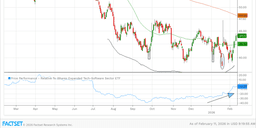
Market Trends Open New Avenues for 3 Previous Stock Selections: Technical Analysis

- Market Dynamics: The stock market is characterized by rapid changes, where previously popular stocks can quickly lose favor.
- Investor Strategy: Investors are increasingly looking back at former stock picks to identify potential opportunities for profit.

Lack of Snowfall Leads Us to Reassess Our Vail Resorts Stock Recommendation


- Stock Price Prediction: Predicting stock prices is inherently challenging due to market volatility and numerous influencing factors.
- Weather Pattern Prediction: Forecasting weather patterns proves to be even more complex, highlighting the difficulties in making accurate predictions in both fields.
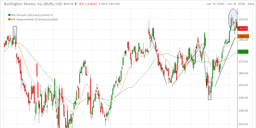
Bristol Myers and Two Additional Stocks Recommended for Purchase Based on Technical Indicators


Market Dynamics: Stock markets are continuously changing, with past stock picks potentially becoming new investment opportunities as trends evolve.
Technical Reset: Many previously strong stocks are undergoing technical resets after consolidations or pullbacks, indicating potential for renewed growth.
Investor Patience: Investors who are patient may find rewarding setups in stocks that are beginning to show signs of recovery.
Revisiting Stocks: It is beneficial to revisit earlier stock selections that may now present fresh opportunities due to recent market adjustments.

Previous Stock Selections Back in the Technical Limelight


- Market Trends: Historical market patterns often resurface, presenting new investment opportunities.
- Stock Picks: This week highlights specific stocks with noteworthy chart patterns that warrant investor attention.
Dutch Bros Rises After Strong Q4 Results — What Potential Gains Does Wall Street Anticipate?
Morgan Stanley's Price Target Update: Morgan Stanley raised its price target on Dutch Bros to $85 from $82, maintaining an overweight rating, while RBC Capital lowered its target to $75 from $80 but kept an outperform rating.
Strong Q4 Performance: Dutch Bros reported Q4 revenues of $443.6 million, exceeding expectations of $424.9 million, and demonstrated a 29.4% increase in revenue year-over-year.
Analyst Ratings and Market Sentiment: Analysts have varied ratings on Dutch Bros, with some maintaining buy ratings and others lowering price targets, reflecting a mix of optimism and caution in the market.
Future Projections: Dutch Bros announced plans for significant capital expenditures in 2026, projecting revenues between $2 billion and $2.03 billion, with same-store sales growth estimated at 3% to 5%.
Crocs Shares Bounce Back, Charts Indicate Potential for Further Growth
Consumer Discretionary Performance: Consumer discretionary stocks have seen minimal growth, with only a 2% increase over the past year as indicated by the Consumer Discretionary Select Sector SPDR ETF.
Comparison with Other S&P Sectors: Among the 11 major S&P sectors, consumer discretionary stocks performed poorly, with only financials showing worse performance, remaining unchanged over the same period.
S&P 500 Growth: In contrast, the S&P 500 has experienced a more robust gain of 12% over the past year, highlighting the underperformance of consumer discretionary and financial sectors.
Market Trends: The overall market trends suggest a challenging environment for consumer discretionary stocks, reflecting broader economic conditions affecting consumer spending.
Market Trends Open New Avenues for 3 Previous Stock Selections: Technical Analysis
- Market Dynamics: The stock market is characterized by rapid changes, where previously popular stocks can quickly lose favor.
- Investor Strategy: Investors are increasingly looking back at former stock picks to identify potential opportunities for profit.
Lack of Snowfall Leads Us to Reassess Our Vail Resorts Stock Recommendation
- Stock Price Prediction: Predicting stock prices is inherently challenging due to market volatility and numerous influencing factors.
- Weather Pattern Prediction: Forecasting weather patterns proves to be even more complex, highlighting the difficulties in making accurate predictions in both fields.
Bristol Myers and Two Additional Stocks Recommended for Purchase Based on Technical Indicators
Market Dynamics: Stock markets are continuously changing, with past stock picks potentially becoming new investment opportunities as trends evolve.
Technical Reset: Many previously strong stocks are undergoing technical resets after consolidations or pullbacks, indicating potential for renewed growth.
Investor Patience: Investors who are patient may find rewarding setups in stocks that are beginning to show signs of recovery.
Revisiting Stocks: It is beneficial to revisit earlier stock selections that may now present fresh opportunities due to recent market adjustments.
Previous Stock Selections Back in the Technical Limelight
- Market Trends: Historical market patterns often resurface, presenting new investment opportunities.
- Stock Picks: This week highlights specific stocks with noteworthy chart patterns that warrant investor attention.