Dow Rises More Than 550 Points as Shutdown Approaches Resolution: Investor Anxiety Diminishes, Greed Index in 'Fear' Zone


Market Sentiment: The CNN Money Fear and Greed index indicates a slight increase in fear, with a current reading of 31, while U.S. stocks mostly rose, particularly the Dow Jones, which gained over 550 points as investors anticipated a House vote on a temporary spending bill to end the government shutdown.
Stock Movements: SoftBank's sale of its $5.8 billion stake in Nvidia led to a 3% drop in Nvidia shares, while other tech stocks like Micron and Marvell also fell. Conversely, sectors such as health care, energy, and consumer staples saw gains.
Economic Indicators: ADP reported an average of 11,250 job losses per week in October, suggesting a cooling employment landscape, which aligns with recent private sector reports.
Upcoming Earnings: Investors are looking forward to earnings results from IHS Holding, Cisco Systems, and On Holding, which could influence market sentiment further.
Trade with 70% Backtested Accuracy
Analyst Views on MU

About MU
About the author


Anthropic Leads AI Revolution, Software Industry Faces Challenges


- AI Disrupts Traditional Software: The rise of Anthropic poses significant challenges to traditional software companies like Workday and Salesforce, particularly in the application of AI technology, threatening their market share and customer loyalty.
- Surge in Capital Expenditures: Tech giants like Amazon and Google have significantly raised their capital expenditure outlooks, with Amazon projecting spending to reach $200 billion, far exceeding the $147 billion consensus, which could impact stock performance and investor confidence.
- Intensified Market Competition: The rapid advancement of AI technology raises questions about the value of enterprise software, leading investors to adopt a pessimistic view on the future of traditional software companies, especially in labor-intensive areas that may face workforce reductions due to AI adoption.
- Investor Confidence Shaken: Despite significant advancements by companies like Anthropic and OpenAI in the AI space, market confidence in traditional software companies is waning, resulting in poor stock performance over the past six months and raising concerns about future profitability.

Renaissance Technologies Significantly Increases Micron Stock Holdings

- Increased Micron Holdings: Renaissance Technologies raised its stake in Micron (MU) by over 50% in its latest 13F filing, adding nearly 1.81 million shares for about $520 million, bringing its total position to nearly $859 million, indicating strong confidence in Micron's future performance.
- Outstanding Market Performance: Micron's stock has surged 231% over the past six months and over 73% in the last three months, showcasing its superior performance among tech stocks and attracting significant investor interest, thereby solidifying its market position.
- Memory Market Shift: As the memory market transitions from oversupply to tightening, prices have risen, and Micron's guidance suggests margins could significantly improve through 2026, reflecting strong expectations for high-bandwidth memory (HBM) demand, strategically positioning it favorably within the chip industry.
- Portfolio Adjustment: Renaissance trimmed its holdings in Nvidia and Alphabet during the same quarter, indicating a strategic shift in its AI investment approach, likely to concentrate resources on the more promising Micron, suggesting an optimistic outlook on future memory price increases.

Micron Technology Compared to Nvidia's Growth Trajectory

- Significant Revenue Growth: Micron Technology reported a 57% year-over-year revenue increase in Q1 FY2026, with adjusted earnings soaring 169% to $5.5 billion, showcasing strong performance driven by AI demand, which may attract more investor interest.
- Competitive Pressure: Despite strong demand for Micron's high-bandwidth memory (HBM), significant competition from Samsung and SK Hynix poses a threat, especially with rumors that Micron's HBM4 chips failed to meet Nvidia's requirements, potentially impacting market share.
- Stock Volatility Risk: Micron is viewed as a cyclical stock, with investors concerned that the current memory supply-demand imbalance could quickly evaporate, leading to a sharp decline in share price, which explains its low forward P/E ratio of 11.8.
- AI Demand Outlook: Despite cyclical challenges, analysts believe that the demand for Micron's high-performance memory driven by AI will continue to grow, potentially positioning it closer to Nvidia than Intel in future market competition.
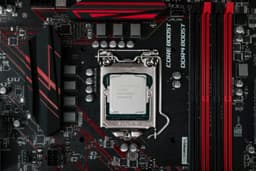
Will Micron Be the Next Nvidia or Intel?
- Significant Revenue Growth: Micron Technology reported a 57% year-over-year revenue increase in its fiscal Q1 2026, with adjusted earnings soaring 169% to $5.5 billion, indicating strong market demand and profitability that could attract more investor interest.
- Intensifying Market Competition: Despite the high demand for Micron's high-bandwidth memory (HBM), competitors like Samsung and SK Hynix are rapidly capturing market share, posing a potential threat to Micron's market position and future growth prospects.
- Rising Technological Importance: Nvidia CEO Jensen Huang emphasized that Micron's leadership in high-performance memory is crucial for enabling the next generation of AI breakthroughs, suggesting that Micron's technology plays a key role in the AI wave, potentially enhancing its market value.
- Cyclical Risk Exists: Micron is viewed as a cyclical stock, with investors concerned that the current memory supply-demand imbalance could quickly evaporate, leading to a stock price decline, which is reflected in its trading at only 11.8 times forward earnings, indicating market uncertainty about its future.
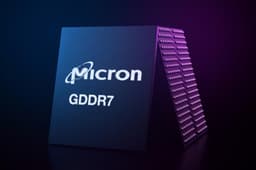
Micron Technology: Potential New Leader in AI Market
- Significant Revenue Growth: Micron Technology reported a 57% year-over-year revenue increase and a 169% surge in adjusted earnings to $5.5 billion in its fiscal 2026 Q1, reflecting strong market demand and profitability akin to Nvidia's performance.
- Rising Technological Importance: Nvidia CEO Jensen Huang emphasized that Micron's leadership in high-performance memory is crucial for enabling the next generation of AI breakthroughs, indicating Micron's pivotal role in the AI boom.
- Competitive Pressure: Despite Micron's impressive performance, significant market share held by competitors like Samsung and SK Hynix poses a threat, especially following rumors that Micron's HBM4 chips may not meet Nvidia's requirements.
- Cyclical Risk Concerns: Investors are wary of Micron's cyclical nature, fearing that the current memory supply-demand imbalance could quickly reverse, leading to a sharp decline in stock price, which explains Micron's low forward P/E ratio of 11.8.

Affordable Stock Picks for Long-Term Investors
- Nvidia Valuation Edge: Nvidia (NVDA) trades at a forward P/E of approximately 24.5, with a remarkable 62% revenue growth last quarter, highlighting its pivotal role in AI infrastructure, making it an attractive buy for long-term investors at this undervalued price point.
- Surge in AI Spending: With major cloud computing firms and AI players announcing substantial capital expenditure plans, Nvidia is poised to benefit significantly, as anticipated spending increases will further solidify its market position.
- Micron's Undervaluation: Micron Technology (MU) has a forward P/E of just 11 times, and despite the cyclical nature of the memory market, the surging demand for high-bandwidth memory due to AI infrastructure makes its stock highly appealing in the current market.
- Supply-Demand Imbalance Opportunity: Although Micron and others are ramping up capacity, the expected continued demand for memory will outstrip supply in the coming years, driving strong growth and improved gross margins for Micron, thus attracting long-term investor interest.
Anthropic Leads AI Revolution, Software Industry Faces Challenges
- AI Disrupts Traditional Software: The rise of Anthropic poses significant challenges to traditional software companies like Workday and Salesforce, particularly in the application of AI technology, threatening their market share and customer loyalty.
- Surge in Capital Expenditures: Tech giants like Amazon and Google have significantly raised their capital expenditure outlooks, with Amazon projecting spending to reach $200 billion, far exceeding the $147 billion consensus, which could impact stock performance and investor confidence.
- Intensified Market Competition: The rapid advancement of AI technology raises questions about the value of enterprise software, leading investors to adopt a pessimistic view on the future of traditional software companies, especially in labor-intensive areas that may face workforce reductions due to AI adoption.
- Investor Confidence Shaken: Despite significant advancements by companies like Anthropic and OpenAI in the AI space, market confidence in traditional software companies is waning, resulting in poor stock performance over the past six months and raising concerns about future profitability.
Renaissance Technologies Significantly Increases Micron Stock Holdings
- Increased Micron Holdings: Renaissance Technologies raised its stake in Micron (MU) by over 50% in its latest 13F filing, adding nearly 1.81 million shares for about $520 million, bringing its total position to nearly $859 million, indicating strong confidence in Micron's future performance.
- Outstanding Market Performance: Micron's stock has surged 231% over the past six months and over 73% in the last three months, showcasing its superior performance among tech stocks and attracting significant investor interest, thereby solidifying its market position.
- Memory Market Shift: As the memory market transitions from oversupply to tightening, prices have risen, and Micron's guidance suggests margins could significantly improve through 2026, reflecting strong expectations for high-bandwidth memory (HBM) demand, strategically positioning it favorably within the chip industry.
- Portfolio Adjustment: Renaissance trimmed its holdings in Nvidia and Alphabet during the same quarter, indicating a strategic shift in its AI investment approach, likely to concentrate resources on the more promising Micron, suggesting an optimistic outlook on future memory price increases.
Micron Technology Compared to Nvidia's Growth Trajectory
- Significant Revenue Growth: Micron Technology reported a 57% year-over-year revenue increase in Q1 FY2026, with adjusted earnings soaring 169% to $5.5 billion, showcasing strong performance driven by AI demand, which may attract more investor interest.
- Competitive Pressure: Despite strong demand for Micron's high-bandwidth memory (HBM), significant competition from Samsung and SK Hynix poses a threat, especially with rumors that Micron's HBM4 chips failed to meet Nvidia's requirements, potentially impacting market share.
- Stock Volatility Risk: Micron is viewed as a cyclical stock, with investors concerned that the current memory supply-demand imbalance could quickly evaporate, leading to a sharp decline in share price, which explains its low forward P/E ratio of 11.8.
- AI Demand Outlook: Despite cyclical challenges, analysts believe that the demand for Micron's high-performance memory driven by AI will continue to grow, potentially positioning it closer to Nvidia than Intel in future market competition.
Will Micron Be the Next Nvidia or Intel?
- Significant Revenue Growth: Micron Technology reported a 57% year-over-year revenue increase in its fiscal Q1 2026, with adjusted earnings soaring 169% to $5.5 billion, indicating strong market demand and profitability that could attract more investor interest.
- Intensifying Market Competition: Despite the high demand for Micron's high-bandwidth memory (HBM), competitors like Samsung and SK Hynix are rapidly capturing market share, posing a potential threat to Micron's market position and future growth prospects.
- Rising Technological Importance: Nvidia CEO Jensen Huang emphasized that Micron's leadership in high-performance memory is crucial for enabling the next generation of AI breakthroughs, suggesting that Micron's technology plays a key role in the AI wave, potentially enhancing its market value.
- Cyclical Risk Exists: Micron is viewed as a cyclical stock, with investors concerned that the current memory supply-demand imbalance could quickly evaporate, leading to a stock price decline, which is reflected in its trading at only 11.8 times forward earnings, indicating market uncertainty about its future.
Micron Technology: Potential New Leader in AI Market
- Significant Revenue Growth: Micron Technology reported a 57% year-over-year revenue increase and a 169% surge in adjusted earnings to $5.5 billion in its fiscal 2026 Q1, reflecting strong market demand and profitability akin to Nvidia's performance.
- Rising Technological Importance: Nvidia CEO Jensen Huang emphasized that Micron's leadership in high-performance memory is crucial for enabling the next generation of AI breakthroughs, indicating Micron's pivotal role in the AI boom.
- Competitive Pressure: Despite Micron's impressive performance, significant market share held by competitors like Samsung and SK Hynix poses a threat, especially following rumors that Micron's HBM4 chips may not meet Nvidia's requirements.
- Cyclical Risk Concerns: Investors are wary of Micron's cyclical nature, fearing that the current memory supply-demand imbalance could quickly reverse, leading to a sharp decline in stock price, which explains Micron's low forward P/E ratio of 11.8.
Affordable Stock Picks for Long-Term Investors
- Nvidia Valuation Edge: Nvidia (NVDA) trades at a forward P/E of approximately 24.5, with a remarkable 62% revenue growth last quarter, highlighting its pivotal role in AI infrastructure, making it an attractive buy for long-term investors at this undervalued price point.
- Surge in AI Spending: With major cloud computing firms and AI players announcing substantial capital expenditure plans, Nvidia is poised to benefit significantly, as anticipated spending increases will further solidify its market position.
- Micron's Undervaluation: Micron Technology (MU) has a forward P/E of just 11 times, and despite the cyclical nature of the memory market, the surging demand for high-bandwidth memory due to AI infrastructure makes its stock highly appealing in the current market.
- Supply-Demand Imbalance Opportunity: Although Micron and others are ramping up capacity, the expected continued demand for memory will outstrip supply in the coming years, driving strong growth and improved gross margins for Micron, thus attracting long-term investor interest.