Nasdaq Falls More Than 300 Points as Investor Confidence Wanes, Fear Index Stays in 'Greed' Territory

Market Sentiment: The CNN Money Fear and Greed index showed a decline in market sentiment, remaining in the "Greed" zone with a reading of 60.3.
Stock Performance: U.S. stocks mostly closed lower on Tuesday, with the Nasdaq Composite dropping over 300 points as investors took profits after recent gains.
Key Economic Data: U.S. housing starts increased by 5.2% in July, while building permits fell by 2.8%. Most sectors on the S&P 500 saw positive movement, except for information technology and communication services.
Upcoming Earnings: Investors are awaiting earnings results from major companies like TJX Companies, Target, and Lowe's, while also looking forward to Federal Reserve Chair Jerome Powell's upcoming speech for insights on interest rates.
Trade with 70% Backtested Accuracy
Analyst Views on INTC

About INTC
About the author

Intel Stock Rebounds but Fundamentals Lag Behind

- Stock Rebound: Intel's stock nearly doubled in 2025, yet the company's fundamental business metrics remain unhealed, indicating disappointment among long-term shareholders.
- Revenue and Profit Decline: In 2022, Intel's revenue plunged by 20% and net income fell nearly 40%, with a further 80% drop in net income in 2023, reflecting the impact of high inflation and macroeconomic pressures on demand.
- Management Changes: Following $15.9 billion in impairment and $2.8 billion in restructuring charges, Intel's board forced former CEO Pat Gelsinger to resign, appointing Lip-Bu Tan as the new CEO in hopes of revitalizing performance.
- Future Outlook: Despite a rise in gross margin to 34.8% in 2025, Intel reported a GAAP loss of approximately $300 million, as weakness in the PC segment offset gains in data center and AI sales, leaving the success of its rebound uncertain.

Micron Technology's Significant Growth Potential Ahead

- Surging Market Demand: RAM prices are expected to rise by 50% by the end of Q1 2026 compared to Q4 2025, directly boosting Micron Technology's revenue growth, particularly in light of the surging demand in the AI sector.
- Impressive Financial Performance: Micron reported $13.6 billion in revenue for Q1 of fiscal 2026, a 57% year-over-year increase, with DRAM accounting for 79% of that revenue, highlighting its strong growth potential in the AI memory market.
- Strategic Investment Initiatives: The $100 billion semiconductor factory being built in upstate New York will become the largest semiconductor facility in the U.S., further solidifying Micron's leadership position in the global memory market and addressing future memory shortages.
- Optimistic Stock Price Forecast: Based on its current P/E ratio of 39.31 and projected EPS for fiscal 2026, analysts predict Micron's stock price could exceed $1,200 by August 2026, indicating significant investment value in its shares.
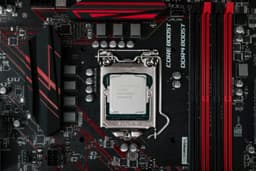
Intel's Transformation Faces Challenges and Opportunities

- Declining Leadership: Intel, once the key producer of microprocessors in the 1990s, has seen its market leadership slip due to a series of missteps, and is now scrambling to catch up with rivals Nvidia and AMD, highlighting the uncertainty surrounding the company's position in the tech industry.
- Strategic Transformation: New CEO Lip-Bu Tan has outlined a three-pronged strategy: leveraging the x86 CPU architecture to meet hyperscaler demands, catching up in the GPU market, and establishing Intel as a U.S. semiconductor foundry, attracting investments from both government and private sectors, indicating a strong focus on future growth.
- Financial Pressures: Despite the foundry segment generating $4.5 billion in revenue in Q4 2025, it reported $2.5 billion in operating losses, illustrating the significant financial challenges faced during the transformation, with operating margins consistently negative.
- Overly Optimistic Market Expectations: Although Intel's stock has surged over the past year, its forward P/E ratio is nearing 50, reflecting excessive optimism about the company's ability to quickly turn around, and investors should be cautious of potential disappointment given the slow progress of the transformation.

Ethereum Price Plummets Amid Stablecoin Optimism
- Price Drop: Ethereum has fallen 40% in the past three months to $1,909.74, down over 60% from its all-time high of $4,946.05, raising investor concerns about its future performance amid such volatility.
- Stablecoin Market Outlook: The U.S. government's stablecoin legislation legitimizes tokenized versions of traditional currencies, with Citigroup analysts predicting the market could reach between $1.9 trillion and $4 trillion by 2030, up from about $307 billion currently, indicating a potential growth of around 1,200%.
- Ethereum's Market Share: Over 50% of stablecoins are currently issued on Ethereum, suggesting that as stablecoins gain traction, the value and transaction volume on the Ethereum blockchain are likely to increase significantly, although it may face competition from new entrants.
- Tokenization Trend: Beyond stablecoins, the potential for tokenized assets is rising, with Nasdaq and the New York Stock Exchange exploring ways to tokenize stocks, which could accelerate Ethereum's usage, although further regulatory steps and systemic changes are necessary.

Micron Technology's Rise in AI Infrastructure
- Surging Market Demand: Micron Technology's revenue for Q1 of fiscal 2026 surged 57% year-over-year to $13.6 billion, with 79% derived from DRAM, highlighting the immense potential of the AI market.
- Strategic Shift: After exiting the consumer PC market last year, Micron has focused on AI memory needs, indicating its commitment to future market opportunities and enhancing its competitiveness in the AI hardware sector.
- Investment Expansion: Micron broke ground on a $100 billion semiconductor factory in New York, expected to create over 9,000 jobs and become the largest semiconductor factory in the U.S., further solidifying its market leadership.
- Strong Financial Performance: With a gross margin of 56.8%, operating margin of 32.5%, and net margin of 28.15%, Micron's forward P/E ratio of 10.57 and PEG ratio of 1.12 indicate its attractiveness and growth potential in the AI hardware market.

Kyndryl Stock Plummets 47.9% Amid Disappointing Earnings

- Earnings Miss: Kyndryl's Q3 fiscal 2026 report revealed adjusted earnings per share of $0.52 and sales of $3.86 billion, both falling short of analyst expectations of $0.60 and $3.91 billion, leading to a significant loss of investor confidence.
- Weak Sales Growth: Although Kyndryl Consult saw a 24% year-over-year sales increase, overall revenue still failed to meet expectations, indicating pressure in market competition that could affect future market share.
- Guidance Downgrade: The company revised its full-year free cash flow forecast down to between $325 million and $375 million, significantly lower than the previous $550 million estimate, while projecting a sales decline of 2% to 3%, indicating a trend of deteriorating performance.
- Investor Confidence Shaken: Following a 47.9% stock price drop over the past week, compared to a mere 1.4% decline in the S&P 500, the market sentiment reflects extreme pessimism regarding Kyndryl's future performance.
Intel Stock Rebounds but Fundamentals Lag Behind
- Stock Rebound: Intel's stock nearly doubled in 2025, yet the company's fundamental business metrics remain unhealed, indicating disappointment among long-term shareholders.
- Revenue and Profit Decline: In 2022, Intel's revenue plunged by 20% and net income fell nearly 40%, with a further 80% drop in net income in 2023, reflecting the impact of high inflation and macroeconomic pressures on demand.
- Management Changes: Following $15.9 billion in impairment and $2.8 billion in restructuring charges, Intel's board forced former CEO Pat Gelsinger to resign, appointing Lip-Bu Tan as the new CEO in hopes of revitalizing performance.
- Future Outlook: Despite a rise in gross margin to 34.8% in 2025, Intel reported a GAAP loss of approximately $300 million, as weakness in the PC segment offset gains in data center and AI sales, leaving the success of its rebound uncertain.
Micron Technology's Significant Growth Potential Ahead
- Surging Market Demand: RAM prices are expected to rise by 50% by the end of Q1 2026 compared to Q4 2025, directly boosting Micron Technology's revenue growth, particularly in light of the surging demand in the AI sector.
- Impressive Financial Performance: Micron reported $13.6 billion in revenue for Q1 of fiscal 2026, a 57% year-over-year increase, with DRAM accounting for 79% of that revenue, highlighting its strong growth potential in the AI memory market.
- Strategic Investment Initiatives: The $100 billion semiconductor factory being built in upstate New York will become the largest semiconductor facility in the U.S., further solidifying Micron's leadership position in the global memory market and addressing future memory shortages.
- Optimistic Stock Price Forecast: Based on its current P/E ratio of 39.31 and projected EPS for fiscal 2026, analysts predict Micron's stock price could exceed $1,200 by August 2026, indicating significant investment value in its shares.
Intel's Transformation Faces Challenges and Opportunities
- Declining Leadership: Intel, once the key producer of microprocessors in the 1990s, has seen its market leadership slip due to a series of missteps, and is now scrambling to catch up with rivals Nvidia and AMD, highlighting the uncertainty surrounding the company's position in the tech industry.
- Strategic Transformation: New CEO Lip-Bu Tan has outlined a three-pronged strategy: leveraging the x86 CPU architecture to meet hyperscaler demands, catching up in the GPU market, and establishing Intel as a U.S. semiconductor foundry, attracting investments from both government and private sectors, indicating a strong focus on future growth.
- Financial Pressures: Despite the foundry segment generating $4.5 billion in revenue in Q4 2025, it reported $2.5 billion in operating losses, illustrating the significant financial challenges faced during the transformation, with operating margins consistently negative.
- Overly Optimistic Market Expectations: Although Intel's stock has surged over the past year, its forward P/E ratio is nearing 50, reflecting excessive optimism about the company's ability to quickly turn around, and investors should be cautious of potential disappointment given the slow progress of the transformation.
Ethereum Price Plummets Amid Stablecoin Optimism
- Price Drop: Ethereum has fallen 40% in the past three months to $1,909.74, down over 60% from its all-time high of $4,946.05, raising investor concerns about its future performance amid such volatility.
- Stablecoin Market Outlook: The U.S. government's stablecoin legislation legitimizes tokenized versions of traditional currencies, with Citigroup analysts predicting the market could reach between $1.9 trillion and $4 trillion by 2030, up from about $307 billion currently, indicating a potential growth of around 1,200%.
- Ethereum's Market Share: Over 50% of stablecoins are currently issued on Ethereum, suggesting that as stablecoins gain traction, the value and transaction volume on the Ethereum blockchain are likely to increase significantly, although it may face competition from new entrants.
- Tokenization Trend: Beyond stablecoins, the potential for tokenized assets is rising, with Nasdaq and the New York Stock Exchange exploring ways to tokenize stocks, which could accelerate Ethereum's usage, although further regulatory steps and systemic changes are necessary.
Micron Technology's Rise in AI Infrastructure
- Surging Market Demand: Micron Technology's revenue for Q1 of fiscal 2026 surged 57% year-over-year to $13.6 billion, with 79% derived from DRAM, highlighting the immense potential of the AI market.
- Strategic Shift: After exiting the consumer PC market last year, Micron has focused on AI memory needs, indicating its commitment to future market opportunities and enhancing its competitiveness in the AI hardware sector.
- Investment Expansion: Micron broke ground on a $100 billion semiconductor factory in New York, expected to create over 9,000 jobs and become the largest semiconductor factory in the U.S., further solidifying its market leadership.
- Strong Financial Performance: With a gross margin of 56.8%, operating margin of 32.5%, and net margin of 28.15%, Micron's forward P/E ratio of 10.57 and PEG ratio of 1.12 indicate its attractiveness and growth potential in the AI hardware market.
Kyndryl Stock Plummets 47.9% Amid Disappointing Earnings
- Earnings Miss: Kyndryl's Q3 fiscal 2026 report revealed adjusted earnings per share of $0.52 and sales of $3.86 billion, both falling short of analyst expectations of $0.60 and $3.91 billion, leading to a significant loss of investor confidence.
- Weak Sales Growth: Although Kyndryl Consult saw a 24% year-over-year sales increase, overall revenue still failed to meet expectations, indicating pressure in market competition that could affect future market share.
- Guidance Downgrade: The company revised its full-year free cash flow forecast down to between $325 million and $375 million, significantly lower than the previous $550 million estimate, while projecting a sales decline of 2% to 3%, indicating a trend of deteriorating performance.
- Investor Confidence Shaken: Following a 47.9% stock price drop over the past week, compared to a mere 1.4% decline in the S&P 500, the market sentiment reflects extreme pessimism regarding Kyndryl's future performance.