Inside the Booming Obesity Drug Market: Weight Loss ETFs to Win


Growth of Weight Loss Medications: The pharmaceutical industry is experiencing a surge in weight loss medications, particularly GLP-1 receptor agonists like Ozempic and Wegovy, driven by rising obesity rates and related health conditions. The global market for anti-obesity drugs is projected to reach $50 billion by 2030.
Emerging Competitors and Innovations: Companies such as Zealand Pharma and Viking Therapeutics are developing new weight loss treatments, including oral options and alternative hormone therapies, indicating a competitive landscape alongside established players Eli Lilly and Novo Nordisk.
Trade with 70% Backtested Accuracy
Analyst Views on LLY

About LLY
About the author

Eli Lilly's Innovation and Growth Prospects

- Strong Clinical Execution: Eli Lilly achieved positive outcomes in nearly all R&D key events in 2025, showcasing exceptional performance in diabetes and weight loss medications, which is expected to further drive market share and revenue growth in the future.
- Cancer Drug Progress: The company's cancer medication, Jaypirca, excelled in a phase 3 trial and is on track for label expansions, which will provide new revenue streams and enhance its competitiveness in oncology treatment.
- AI Investment: Eli Lilly is investing in building the industry's largest AI supercomputer to accelerate drug development, which is expected to significantly improve clinical trial success rates and bolster the company's innovative standing and market leadership in the pharmaceutical sector.
- Robust Financial Performance: The company continues to report strong financial results, boasts a rich product pipeline, and rewards shareholders through increasing dividends and share buybacks, demonstrating its diversified growth potential beyond diabetes and weight loss markets.
Eli Lilly Reports Positive Results for Retevmo in NSCLC Trial
- Trial Success: The LIBRETTO-432 trial demonstrated that Retevmo (selpercatinib) as adjuvant therapy significantly improved event-free survival (EFS) in early-stage RET fusion-positive non-small cell lung cancer (NSCLC) patients, indicating its potential value and likely enhancing market acceptance.
- Survival Trends Favorable: Although overall survival results were immature at the time of analysis, preliminary data showed a favorable trend for Retevmo, highlighting its importance in early treatment and potentially encouraging more patients to undergo genomic testing for optimized therapy.
- Patient Recruitment: The LIBRETTO-432 trial enrolled 151 patients randomized 1:1 to receive either Retevmo or placebo, ensuring the reliability and clinical applicability of the results, further validating the use of targeted therapies in lung cancer.
- Future Outlook: Eli Lilly plans to present detailed trial results at an upcoming medical congress and submit data to global health authorities, which is expected to accelerate the adoption of targeted therapies in early-stage NSCLC patients and promote the widespread use of genomic testing.

ELI LILLY - SELPERCATINIB SHOWED PROMISING OVERALL SURVIVAL TRENDS, BUT RESULTS REMAINED IMMATURE DUE TO LIMITED EVENTS AT THE TIME OF ANALYSIS
Overall Survival Results: The analysis indicates a trend in favor of Selpercatinib, suggesting improved overall survival rates for patients.
Immaturity of Analysis: The findings are considered immature due to the limited number of events observed during the analysis period.

ELI LILLY'S PHASE 3 LIBRETTO-432 TRIAL ACHIEVES PRIMARY GOAL WITH ENHANCED EVENT-FREE SURVIVAL
Study Overview: The study focuses on Phase 3 of the Eli Lilly trial, which aims to evaluate the effectiveness of a new treatment.
Primary Endpoint: The primary endpoint of the study is to demonstrate improved event-free survival rates among participants.

LILLY'S RETEVMO (SELPERCATINIB) PROVIDES SIGNIFICANT EVENT-FREE SURVIVAL ADVANTAGE AS ADJUVANT TREATMENT FOR EARLY-STAGE RET FUSION-POSITIVE LUNG CANCER
Event-Free Survival Benefit: A recent study highlights the substantial event-free survival benefit of using LILLY's RETEVMO (selpercatinib) as an early-stage therapy for patients with positive lung cancer mutations.
Adjunct Therapy: RETEVMO is positioned as an adjunct therapy, enhancing treatment options for patients diagnosed with early-stage RET fusion-positive lung cancer.
Novo Nordisk's CagriSema Shows Promising Potential
- Intensifying Market Competition: Novo Nordisk faces fierce competition in the GLP-1 market from Eli Lilly, as Ozempic has been a key growth driver, but the company anticipates declining sales this year, highlighting the urgent need for next-generation therapies to regain market share.
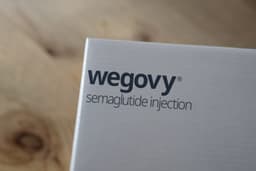
- CagriSema Clinical Trial Success: CagriSema outperformed Wegovy in a phase 3 clinical trial for overweight or obese patients, achieving an average weight reduction of 22.7% after 68 weeks, indicating its potential in weight loss treatment and possibly providing a new growth avenue for Novo Nordisk.
- Regulatory Application Progress: Novo Nordisk has submitted regulatory applications for CagriSema as a weight loss treatment and plans to seek approval for the diabetes indication after completing two additional phase 3 studies, paving the way for future revenue growth.
- Manufacturing Complexity Challenges: Despite CagriSema's efficacy over Ozempic, its higher production costs and complexity compared to semaglutide, along with competition from Eli Lilly's retatrutide, may impact its market performance and overall business outlook.
Eli Lilly's Innovation and Growth Prospects
- Strong Clinical Execution: Eli Lilly achieved positive outcomes in nearly all R&D key events in 2025, showcasing exceptional performance in diabetes and weight loss medications, which is expected to further drive market share and revenue growth in the future.
- Cancer Drug Progress: The company's cancer medication, Jaypirca, excelled in a phase 3 trial and is on track for label expansions, which will provide new revenue streams and enhance its competitiveness in oncology treatment.
- AI Investment: Eli Lilly is investing in building the industry's largest AI supercomputer to accelerate drug development, which is expected to significantly improve clinical trial success rates and bolster the company's innovative standing and market leadership in the pharmaceutical sector.
- Robust Financial Performance: The company continues to report strong financial results, boasts a rich product pipeline, and rewards shareholders through increasing dividends and share buybacks, demonstrating its diversified growth potential beyond diabetes and weight loss markets.
Eli Lilly Reports Positive Results for Retevmo in NSCLC Trial
- Trial Success: The LIBRETTO-432 trial demonstrated that Retevmo (selpercatinib) as adjuvant therapy significantly improved event-free survival (EFS) in early-stage RET fusion-positive non-small cell lung cancer (NSCLC) patients, indicating its potential value and likely enhancing market acceptance.
- Survival Trends Favorable: Although overall survival results were immature at the time of analysis, preliminary data showed a favorable trend for Retevmo, highlighting its importance in early treatment and potentially encouraging more patients to undergo genomic testing for optimized therapy.
- Patient Recruitment: The LIBRETTO-432 trial enrolled 151 patients randomized 1:1 to receive either Retevmo or placebo, ensuring the reliability and clinical applicability of the results, further validating the use of targeted therapies in lung cancer.
- Future Outlook: Eli Lilly plans to present detailed trial results at an upcoming medical congress and submit data to global health authorities, which is expected to accelerate the adoption of targeted therapies in early-stage NSCLC patients and promote the widespread use of genomic testing.
ELI LILLY - SELPERCATINIB SHOWED PROMISING OVERALL SURVIVAL TRENDS, BUT RESULTS REMAINED IMMATURE DUE TO LIMITED EVENTS AT THE TIME OF ANALYSIS
Overall Survival Results: The analysis indicates a trend in favor of Selpercatinib, suggesting improved overall survival rates for patients.
Immaturity of Analysis: The findings are considered immature due to the limited number of events observed during the analysis period.
ELI LILLY'S PHASE 3 LIBRETTO-432 TRIAL ACHIEVES PRIMARY GOAL WITH ENHANCED EVENT-FREE SURVIVAL
Study Overview: The study focuses on Phase 3 of the Eli Lilly trial, which aims to evaluate the effectiveness of a new treatment.
Primary Endpoint: The primary endpoint of the study is to demonstrate improved event-free survival rates among participants.
LILLY'S RETEVMO (SELPERCATINIB) PROVIDES SIGNIFICANT EVENT-FREE SURVIVAL ADVANTAGE AS ADJUVANT TREATMENT FOR EARLY-STAGE RET FUSION-POSITIVE LUNG CANCER
Event-Free Survival Benefit: A recent study highlights the substantial event-free survival benefit of using LILLY's RETEVMO (selpercatinib) as an early-stage therapy for patients with positive lung cancer mutations.
Adjunct Therapy: RETEVMO is positioned as an adjunct therapy, enhancing treatment options for patients diagnosed with early-stage RET fusion-positive lung cancer.
Novo Nordisk's CagriSema Shows Promising Potential
- Intensifying Market Competition: Novo Nordisk faces fierce competition in the GLP-1 market from Eli Lilly, as Ozempic has been a key growth driver, but the company anticipates declining sales this year, highlighting the urgent need for next-generation therapies to regain market share.
- CagriSema Clinical Trial Success: CagriSema outperformed Wegovy in a phase 3 clinical trial for overweight or obese patients, achieving an average weight reduction of 22.7% after 68 weeks, indicating its potential in weight loss treatment and possibly providing a new growth avenue for Novo Nordisk.
- Regulatory Application Progress: Novo Nordisk has submitted regulatory applications for CagriSema as a weight loss treatment and plans to seek approval for the diabetes indication after completing two additional phase 3 studies, paving the way for future revenue growth.
- Manufacturing Complexity Challenges: Despite CagriSema's efficacy over Ozempic, its higher production costs and complexity compared to semaglutide, along with competition from Eli Lilly's retatrutide, may impact its market performance and overall business outlook.