Inflation Drops to 2.7%, Providing Wall Street with Some Relief (UPDATED)

U.S. Inflation Update: Inflation in the U.S. cooled more than expected in November 2025, with the Consumer Price Index rising 2.7% year-over-year, down from 3% in September and below economists' expectations of 3.1%. Core inflation also decreased to 2.6%, the lowest since March 2021.
Market Reactions: Following the inflation report, U.S. stocks rallied, with S&P 500 futures up 1% and Nasdaq 100 futures up 1.8%. The U.S. dollar weakened, and Treasury yields fell, with the 10-year yield dropping to 4.11%.
Economic Outlook: The cooling inflation has strengthened expectations that the Federal Reserve's easing cycle can continue into 2026, with bond markets pricing in a modest chance of a rate cut at the Fed's January meeting.
Sector Performance: The iShares Semiconductor ETF surged 3.7%, driven by positive earnings from Micron Technology, while Bitcoin rose 2.7% to nearly $89,000, reflecting a risk-on sentiment in the market.
Trade with 70% Backtested Accuracy
Analyst Views on MU

About MU
About the author


Micron Technology: A Key Driver in the AI Market

- Significant Growth: Micron Technology achieved a remarkable 57% year-over-year revenue growth in Q1 FY2026, nearly tripling its profits, which highlights its strong performance in the AI semiconductor market and attracts investor attention.
- Optimistic Future Outlook: The company anticipates “substantial records” in Q2 FY2026 across revenue, margins, EPS, and free cash flow, indicating that its business performance will continue to strengthen, suggesting robust sequential growth.
- Strong Market Position: Micron holds a crucial position in the AI storage solutions sector, with demand expected to rise as chipmakers grow rapidly, and with only two other large competitors, Micron enjoys a comfortable market position.
- Huge Investment Potential: Despite Micron's stock quadrupling in the past year, its forward P/E ratio of 12.5 remains lower than other AI stocks, indicating that there is still room for price appreciation, potentially creating substantial wealth for investors in the future.

Micron Technology Compared to Nvidia's Growth Trajectory

- Significant Revenue Growth: Micron Technology reported a 57% year-over-year revenue increase in Q1 FY2026, with adjusted earnings soaring 169% to $5.5 billion, showcasing strong performance driven by AI demand, which may attract more investor interest.
- Competitive Pressure: Despite strong demand for Micron's high-bandwidth memory (HBM), significant competition from Samsung and SK Hynix poses a threat, especially with rumors that Micron's HBM4 chips failed to meet Nvidia's requirements, potentially impacting market share.
- Stock Volatility Risk: Micron is viewed as a cyclical stock, with investors concerned that the current memory supply-demand imbalance could quickly evaporate, leading to a sharp decline in share price, which explains its low forward P/E ratio of 11.8.
- AI Demand Outlook: Despite cyclical challenges, analysts believe that the demand for Micron's high-performance memory driven by AI will continue to grow, potentially positioning it closer to Nvidia than Intel in future market competition.
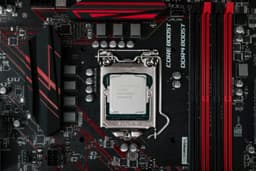
Will Micron Be the Next Nvidia or Intel?
- Significant Revenue Growth: Micron Technology reported a 57% year-over-year revenue increase in its fiscal Q1 2026, with adjusted earnings soaring 169% to $5.5 billion, indicating strong market demand and profitability that could attract more investor interest.
- Intensifying Market Competition: Despite the high demand for Micron's high-bandwidth memory (HBM), competitors like Samsung and SK Hynix are rapidly capturing market share, posing a potential threat to Micron's market position and future growth prospects.
- Rising Technological Importance: Nvidia CEO Jensen Huang emphasized that Micron's leadership in high-performance memory is crucial for enabling the next generation of AI breakthroughs, suggesting that Micron's technology plays a key role in the AI wave, potentially enhancing its market value.
- Cyclical Risk Exists: Micron is viewed as a cyclical stock, with investors concerned that the current memory supply-demand imbalance could quickly evaporate, leading to a stock price decline, which is reflected in its trading at only 11.8 times forward earnings, indicating market uncertainty about its future.
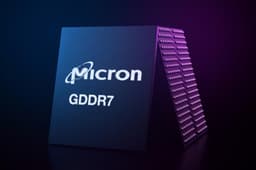
Micron Technology: Potential New Leader in AI Market
- Significant Revenue Growth: Micron Technology reported a 57% year-over-year revenue increase and a 169% surge in adjusted earnings to $5.5 billion in its fiscal 2026 Q1, reflecting strong market demand and profitability akin to Nvidia's performance.
- Rising Technological Importance: Nvidia CEO Jensen Huang emphasized that Micron's leadership in high-performance memory is crucial for enabling the next generation of AI breakthroughs, indicating Micron's pivotal role in the AI boom.
- Competitive Pressure: Despite Micron's impressive performance, significant market share held by competitors like Samsung and SK Hynix poses a threat, especially following rumors that Micron's HBM4 chips may not meet Nvidia's requirements.
- Cyclical Risk Concerns: Investors are wary of Micron's cyclical nature, fearing that the current memory supply-demand imbalance could quickly reverse, leading to a sharp decline in stock price, which explains Micron's low forward P/E ratio of 11.8.

Affordable Stock Picks for Long-Term Investors

- Nvidia Valuation Edge: Nvidia (NVDA) trades at a forward P/E of approximately 24.5, with a remarkable 62% revenue growth last quarter, highlighting its pivotal role in AI infrastructure, making it an attractive buy for long-term investors at this undervalued price point.
- Surge in AI Spending: With major cloud computing firms and AI players announcing substantial capital expenditure plans, Nvidia is poised to benefit significantly, as anticipated spending increases will further solidify its market position.
- Micron's Undervaluation: Micron Technology (MU) has a forward P/E of just 11 times, and despite the cyclical nature of the memory market, the surging demand for high-bandwidth memory due to AI infrastructure makes its stock highly appealing in the current market.
- Supply-Demand Imbalance Opportunity: Although Micron and others are ramping up capacity, the expected continued demand for memory will outstrip supply in the coming years, driving strong growth and improved gross margins for Micron, thus attracting long-term investor interest.

Top Software Stocks Positioned for AI Dominance

- Microsoft's Cloud Advantage: Microsoft (MSFT) stands out amid the SaaS sell-off, with its cloud computing business providing a hedge against AI threats; as code bots like Clawdbot and Moltbot proliferate, demand for cloud services is expected to grow, further solidifying its market position.
- Adobe's Resilient Performance: Despite increasing competition, Adobe (ADBE) maintains its core position in graphic design and legal document processing, and as its fundamentals continue to improve, the declining stock price offers investors a more attractive entry point, highlighting its irreplaceability in enterprises.
- ServiceNow's AI Integration: ServiceNow (NOW) leverages its tight integration with Microsoft's Azure platform to automate complex back-office workflows using its AI control tower, creating a powerful synergy that enhances its competitive edge in the enterprise software market.
- Growing Memory Demand: Companies like Micron Technology (MU) are benefiting from increased memory demand driven by AI advancements; despite facing cyclical risks, their critical role in AI infrastructure positions them well for survival in the future market.
Micron Technology: A Key Driver in the AI Market
- Significant Growth: Micron Technology achieved a remarkable 57% year-over-year revenue growth in Q1 FY2026, nearly tripling its profits, which highlights its strong performance in the AI semiconductor market and attracts investor attention.
- Optimistic Future Outlook: The company anticipates “substantial records” in Q2 FY2026 across revenue, margins, EPS, and free cash flow, indicating that its business performance will continue to strengthen, suggesting robust sequential growth.
- Strong Market Position: Micron holds a crucial position in the AI storage solutions sector, with demand expected to rise as chipmakers grow rapidly, and with only two other large competitors, Micron enjoys a comfortable market position.
- Huge Investment Potential: Despite Micron's stock quadrupling in the past year, its forward P/E ratio of 12.5 remains lower than other AI stocks, indicating that there is still room for price appreciation, potentially creating substantial wealth for investors in the future.
Micron Technology Compared to Nvidia's Growth Trajectory
- Significant Revenue Growth: Micron Technology reported a 57% year-over-year revenue increase in Q1 FY2026, with adjusted earnings soaring 169% to $5.5 billion, showcasing strong performance driven by AI demand, which may attract more investor interest.
- Competitive Pressure: Despite strong demand for Micron's high-bandwidth memory (HBM), significant competition from Samsung and SK Hynix poses a threat, especially with rumors that Micron's HBM4 chips failed to meet Nvidia's requirements, potentially impacting market share.
- Stock Volatility Risk: Micron is viewed as a cyclical stock, with investors concerned that the current memory supply-demand imbalance could quickly evaporate, leading to a sharp decline in share price, which explains its low forward P/E ratio of 11.8.
- AI Demand Outlook: Despite cyclical challenges, analysts believe that the demand for Micron's high-performance memory driven by AI will continue to grow, potentially positioning it closer to Nvidia than Intel in future market competition.
Will Micron Be the Next Nvidia or Intel?
- Significant Revenue Growth: Micron Technology reported a 57% year-over-year revenue increase in its fiscal Q1 2026, with adjusted earnings soaring 169% to $5.5 billion, indicating strong market demand and profitability that could attract more investor interest.
- Intensifying Market Competition: Despite the high demand for Micron's high-bandwidth memory (HBM), competitors like Samsung and SK Hynix are rapidly capturing market share, posing a potential threat to Micron's market position and future growth prospects.
- Rising Technological Importance: Nvidia CEO Jensen Huang emphasized that Micron's leadership in high-performance memory is crucial for enabling the next generation of AI breakthroughs, suggesting that Micron's technology plays a key role in the AI wave, potentially enhancing its market value.
- Cyclical Risk Exists: Micron is viewed as a cyclical stock, with investors concerned that the current memory supply-demand imbalance could quickly evaporate, leading to a stock price decline, which is reflected in its trading at only 11.8 times forward earnings, indicating market uncertainty about its future.
Micron Technology: Potential New Leader in AI Market
- Significant Revenue Growth: Micron Technology reported a 57% year-over-year revenue increase and a 169% surge in adjusted earnings to $5.5 billion in its fiscal 2026 Q1, reflecting strong market demand and profitability akin to Nvidia's performance.
- Rising Technological Importance: Nvidia CEO Jensen Huang emphasized that Micron's leadership in high-performance memory is crucial for enabling the next generation of AI breakthroughs, indicating Micron's pivotal role in the AI boom.
- Competitive Pressure: Despite Micron's impressive performance, significant market share held by competitors like Samsung and SK Hynix poses a threat, especially following rumors that Micron's HBM4 chips may not meet Nvidia's requirements.
- Cyclical Risk Concerns: Investors are wary of Micron's cyclical nature, fearing that the current memory supply-demand imbalance could quickly reverse, leading to a sharp decline in stock price, which explains Micron's low forward P/E ratio of 11.8.
Affordable Stock Picks for Long-Term Investors
- Nvidia Valuation Edge: Nvidia (NVDA) trades at a forward P/E of approximately 24.5, with a remarkable 62% revenue growth last quarter, highlighting its pivotal role in AI infrastructure, making it an attractive buy for long-term investors at this undervalued price point.
- Surge in AI Spending: With major cloud computing firms and AI players announcing substantial capital expenditure plans, Nvidia is poised to benefit significantly, as anticipated spending increases will further solidify its market position.
- Micron's Undervaluation: Micron Technology (MU) has a forward P/E of just 11 times, and despite the cyclical nature of the memory market, the surging demand for high-bandwidth memory due to AI infrastructure makes its stock highly appealing in the current market.
- Supply-Demand Imbalance Opportunity: Although Micron and others are ramping up capacity, the expected continued demand for memory will outstrip supply in the coming years, driving strong growth and improved gross margins for Micron, thus attracting long-term investor interest.
Top Software Stocks Positioned for AI Dominance
- Microsoft's Cloud Advantage: Microsoft (MSFT) stands out amid the SaaS sell-off, with its cloud computing business providing a hedge against AI threats; as code bots like Clawdbot and Moltbot proliferate, demand for cloud services is expected to grow, further solidifying its market position.
- Adobe's Resilient Performance: Despite increasing competition, Adobe (ADBE) maintains its core position in graphic design and legal document processing, and as its fundamentals continue to improve, the declining stock price offers investors a more attractive entry point, highlighting its irreplaceability in enterprises.
- ServiceNow's AI Integration: ServiceNow (NOW) leverages its tight integration with Microsoft's Azure platform to automate complex back-office workflows using its AI control tower, creating a powerful synergy that enhances its competitive edge in the enterprise software market.
- Growing Memory Demand: Companies like Micron Technology (MU) are benefiting from increased memory demand driven by AI advancements; despite facing cyclical risks, their critical role in AI infrastructure positions them well for survival in the future market.