Gold Prices Reach Four-Month Peak as Mohamed El Erian Highlights Surge in Central Bank Holdings to 30-Year High Compared to US Treasuries

Gold Price Surge
- Recent Price Movement: Gold prices reached a four-month high, with spot gold climbing to $3,489.78 per ounce, marking a fifth consecutive day of gains. This increase is attributed to expectations of a U.S. Federal Reserve rate cut and heightened safe-haven demand amid economic uncertainties.
- Market Influences: The anticipated rate cut by the Federal Reserve is expected to lower the opportunity cost of holding gold, making it more attractive to investors. Additionally, ongoing uncertainties regarding U.S. trade tariffs and political pressures have further enhanced gold's appeal.
Central Banks' Shift in Holdings
- Historic Change in Reserves: For the first time in nearly 30 years, global central banks now hold more gold than U.S. Treasuries as a percentage of their foreign reserves. This shift, highlighted by economist Mohamed A. El-Erian, indicates a significant reallocation in global financial strategies.
- Long-term Trends: Central banks have been steadily increasing their gold reserves while decreasing their holdings in U.S. government debt, reflecting a broader trend of diversification and de-dollarization driven by geopolitical instability.
Implications for Gold and the U.S. Dollar
- Market Support for Gold: The sustained buying of gold by central banks provides strong fundamental support for its price, complementing speculative interest. This trend suggests a potential long-term rebalancing in the global financial system, impacting the roles of gold and the U.S. dollar as reserve assets.
- Performance Metrics: Over the past six months, gold prices have surged by 21.55%, and by 39.15% over the past year, indicating robust growth in demand.
Gold ETFs Performance
- Top Gold ETFs: Several gold ETFs have shown strong year-to-date and one-year performance, with notable returns including:
- Franklin Responsibly Sourced Gold ETF (FGDL): 29.70% YTD, 38.19% one year
- Goldman Sachs Physical Gold ETF (AAAU): 29.71% YTD, 38.28% one year
- GraniteShares Gold Trust (BAR): 29.84% YTD, 38.50% one year
- Market Context: The U.S. Dollar Index has decreased by 10.11% year-to-date, further influencing the attractiveness of gold as an investment.
Broader Market Trends
- Stock Market Reaction: The SPDR S&P 500 ETF Trust (SPY) and Invesco QQQ Trust ETF (QQQ) experienced declines, with SPY down 0.60% and QQQ down 1.16%, reflecting broader market volatility amid changing economic conditions.
Trade with 70% Backtested Accuracy
Analyst Views on IAUM
About the author


Warren Buffett Rejects Gold Investment, Echoed by Valuation Expert: 'It's a Collectible, Not an Asset'


Damodaran's Skepticism on Gold: As gold prices exceed $4,300 an ounce, valuation expert Aswath Damodaran aligns with Warren Buffett's view that gold is not a true financial asset due to its lack of cash flows, categorizing it instead as a collectible influenced by market sentiment.
Gold's Value Determinants: Damodaran emphasizes that unlike financial assets such as stocks, which generate cash and can be valued, gold's price is driven by demand and supply dynamics, similar to rare collectibles like paintings.
Factors Behind Gold's Price Surge: The recent 50% increase in gold prices is attributed to global uncertainty and a growing mistrust of central banks, expanding the market for gold buyers despite its historical underperformance compared to stocks.
Current Gold Market Performance: As of the article's publication, gold was trading at $4,149.00 per ounce, showing significant gains over the past year, with various gold-linked ETFs also demonstrating strong performance.
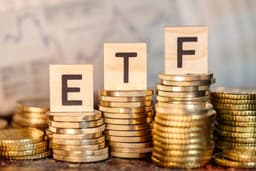
Gold Takes a Dip — A Potential Opportunity for ETF Investors?


Gold Price Fluctuation: Gold prices recently peaked above $4,000 an ounce but experienced a nearly 7% decline over two sessions, attributed to easing U.S.–China trade tensions, a stronger dollar, and technical exhaustion after a significant rally.
Long-Term Outlook: Despite the recent drop, analysts maintain a bullish long-term outlook for gold, with predictions from Goldman Sachs and Bank of America suggesting prices could reach $4,900 and $6,000 per ounce, respectively, by mid-2026.
Investment Opportunities: The current correction in gold prices may present a buying opportunity for investors in gold ETFs, as sustained inflation, U.S. deficits, and geopolitical tensions continue to support gold as a safe-haven asset.
Market Volatility: Analysts expect gold ETFs to trade within a range or rise slowly in the coming months, with potential for renewed demand due to inflation pressures or geopolitical shocks, while options markets indicate heightened volatility ahead.

US Gold Reserves Reach $1 Trillion as Prices Surge Above $3,830 an Ounce—Yet Global Holdings Fall to 90-Year Low


US Gold Reserves Value: The market value of the United States' gold reserves has surpassed $1 trillion for the first time, driven by a significant rise in gold prices, which are nearing $3,840 per ounce.
Declining Global Influence: Despite the soaring valuation, the U.S. share of global gold reserves has fallen to a 90-year low, now accounting for only 20% of the total, as other countries aggressively accumulate gold.
Investor Sentiment: A recent survey indicates that a speculative frenzy around gold has not yet developed, with 39% of fund managers having no allocation to gold in their portfolios, suggesting potential for further price increases.
Gold ETFs Performance: Various gold and gold miner exchange-traded funds (ETFs) have shown strong year-to-date and one-year performance, reflecting the ongoing interest in gold investments amid rising prices.

US Gold Reserves Reach Lowest Level in 90 Years as Global Central Banks Accumulate Gold: Expert Predicts Shift in Strategy is Imminent
U.S. Gold Reserves Decline: U.S. gold reserves have reached a 90-year low, dropping from over 50% of global reserves to just 20%, while other countries are significantly increasing their gold holdings, reaching a 49-year high.
Global Central Banks Shift: For the first time since 1996, foreign central banks now hold more gold than U.S. Treasuries, indicating a major shift in global financial strategies and a potential rebalancing in the market.
Investor Sentiment on Gold: Despite rising gold prices, a significant portion of institutional investors (39%) have no allocation to gold, suggesting a cautious approach rather than a speculative frenzy.
China's Gold Demand: China has seen a surge in non-monetary gold imports, and with the festival season in India, demand for gold is expected to increase, supported by ongoing global economic uncertainties.

Gold Approaches $3,800, Yet Expert Warns 'We're Not Even Close to Gold Fever': 39% of Fund Managers Hold No Allocation
Gold Price Rally: Gold prices have surged to nearly $3,800 an ounce due to strong demand and economic uncertainty, with a potential for further increases as institutional investors remain cautious.
Investment Sentiment: A Bank of America survey reveals that 39% of fund managers have no gold allocation, indicating significant untapped investment potential, while physical demand from countries like China and India supports the price rally.
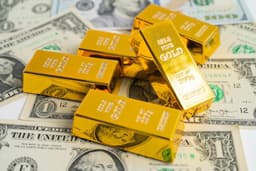
Gold Hits $3,700, Setting New Records as Analysts Predict This Rally Marks the Start of a New Cycle for Precious Metals and Mining Stocks


Gold Price Surge: Gold prices have reached a record high of $3,699.57, with market experts suggesting that this rally is just the beginning of a new cycle rather than a bubble, particularly in the gold mining sector.
Mining Stocks Performance: Mining stocks are leading the rise in gold prices, with significant year-to-date performances from various companies, indicating strong bullish sentiment in the market.
Market Dynamics: The increase in gold prices is attributed to a weakening U.S. dollar and expectations of a Federal Reserve rate cut, with analysts suggesting that any short-term dips in gold could present buying opportunities.
Historical Context: Gold is on track for its best year since 1979, with a notable increase of over 40% in 2025, supported by technical indicators that suggest further gains are likely in the near future.
Warren Buffett Rejects Gold Investment, Echoed by Valuation Expert: 'It's a Collectible, Not an Asset'
Damodaran's Skepticism on Gold: As gold prices exceed $4,300 an ounce, valuation expert Aswath Damodaran aligns with Warren Buffett's view that gold is not a true financial asset due to its lack of cash flows, categorizing it instead as a collectible influenced by market sentiment.
Gold's Value Determinants: Damodaran emphasizes that unlike financial assets such as stocks, which generate cash and can be valued, gold's price is driven by demand and supply dynamics, similar to rare collectibles like paintings.
Factors Behind Gold's Price Surge: The recent 50% increase in gold prices is attributed to global uncertainty and a growing mistrust of central banks, expanding the market for gold buyers despite its historical underperformance compared to stocks.
Current Gold Market Performance: As of the article's publication, gold was trading at $4,149.00 per ounce, showing significant gains over the past year, with various gold-linked ETFs also demonstrating strong performance.
Gold Takes a Dip — A Potential Opportunity for ETF Investors?
Gold Price Fluctuation: Gold prices recently peaked above $4,000 an ounce but experienced a nearly 7% decline over two sessions, attributed to easing U.S.–China trade tensions, a stronger dollar, and technical exhaustion after a significant rally.
Long-Term Outlook: Despite the recent drop, analysts maintain a bullish long-term outlook for gold, with predictions from Goldman Sachs and Bank of America suggesting prices could reach $4,900 and $6,000 per ounce, respectively, by mid-2026.
Investment Opportunities: The current correction in gold prices may present a buying opportunity for investors in gold ETFs, as sustained inflation, U.S. deficits, and geopolitical tensions continue to support gold as a safe-haven asset.
Market Volatility: Analysts expect gold ETFs to trade within a range or rise slowly in the coming months, with potential for renewed demand due to inflation pressures or geopolitical shocks, while options markets indicate heightened volatility ahead.
US Gold Reserves Reach $1 Trillion as Prices Surge Above $3,830 an Ounce—Yet Global Holdings Fall to 90-Year Low
US Gold Reserves Value: The market value of the United States' gold reserves has surpassed $1 trillion for the first time, driven by a significant rise in gold prices, which are nearing $3,840 per ounce.
Declining Global Influence: Despite the soaring valuation, the U.S. share of global gold reserves has fallen to a 90-year low, now accounting for only 20% of the total, as other countries aggressively accumulate gold.
Investor Sentiment: A recent survey indicates that a speculative frenzy around gold has not yet developed, with 39% of fund managers having no allocation to gold in their portfolios, suggesting potential for further price increases.
Gold ETFs Performance: Various gold and gold miner exchange-traded funds (ETFs) have shown strong year-to-date and one-year performance, reflecting the ongoing interest in gold investments amid rising prices.
US Gold Reserves Reach Lowest Level in 90 Years as Global Central Banks Accumulate Gold: Expert Predicts Shift in Strategy is Imminent
U.S. Gold Reserves Decline: U.S. gold reserves have reached a 90-year low, dropping from over 50% of global reserves to just 20%, while other countries are significantly increasing their gold holdings, reaching a 49-year high.
Global Central Banks Shift: For the first time since 1996, foreign central banks now hold more gold than U.S. Treasuries, indicating a major shift in global financial strategies and a potential rebalancing in the market.
Investor Sentiment on Gold: Despite rising gold prices, a significant portion of institutional investors (39%) have no allocation to gold, suggesting a cautious approach rather than a speculative frenzy.
China's Gold Demand: China has seen a surge in non-monetary gold imports, and with the festival season in India, demand for gold is expected to increase, supported by ongoing global economic uncertainties.
Gold Approaches $3,800, Yet Expert Warns 'We're Not Even Close to Gold Fever': 39% of Fund Managers Hold No Allocation
Gold Price Rally: Gold prices have surged to nearly $3,800 an ounce due to strong demand and economic uncertainty, with a potential for further increases as institutional investors remain cautious.
Investment Sentiment: A Bank of America survey reveals that 39% of fund managers have no gold allocation, indicating significant untapped investment potential, while physical demand from countries like China and India supports the price rally.
Gold Hits $3,700, Setting New Records as Analysts Predict This Rally Marks the Start of a New Cycle for Precious Metals and Mining Stocks
Gold Price Surge: Gold prices have reached a record high of $3,699.57, with market experts suggesting that this rally is just the beginning of a new cycle rather than a bubble, particularly in the gold mining sector.
Mining Stocks Performance: Mining stocks are leading the rise in gold prices, with significant year-to-date performances from various companies, indicating strong bullish sentiment in the market.
Market Dynamics: The increase in gold prices is attributed to a weakening U.S. dollar and expectations of a Federal Reserve rate cut, with analysts suggesting that any short-term dips in gold could present buying opportunities.
Historical Context: Gold is on track for its best year since 1979, with a notable increase of over 40% in 2025, supported by technical indicators that suggest further gains are likely in the near future.