EXCLUSIVE: Nvidia May Be The Face Of AI But The Valuation Story Is Getting Complicated, Says Expert


Nvidia's Stock Performance: Nvidia Corp's stock has seen a significant decline, down nearly 29% year-to-date and facing bearish technical signals, raising concerns about the sustainability of its growth amidst increasing competition and geopolitical risks.
Market Sentiment and Trading Options: While some investors view the dip as a buying opportunity due to Nvidia's long-term dominance in AI, others are cautious, leading to split trading strategies with options available for both bullish and bearish positions.
Trade with 70% Backtested Accuracy
Analyst Views on NVDA

About NVDA
About the author


Nvidia's Earnings Report to Signal Market Direction

- Market Concentration Analysis: RBC Wealth Management's Rob Sluymer highlights that the concentration of mega-cap tech stocks has significantly increased over the past few years, leading to investors being overweight in these stocks, which have now declined about 7% year-to-date.
- Nvidia Earnings Preview: Nvidia is set to report its fourth-quarter earnings on February 25, and Sluymer believes this will serve as a crucial market indicator; if the results fall short of expectations, it could trigger a larger correction in tech stocks.
- Investor Sentiment Shift: As attention on tech stocks rises, Sluymer notes that some funds are rotating out of these high-valuation stocks into other sectors, a typical behavior in times of high market concentration.
- Future Market Outlook: Should Nvidia's earnings report disappoint, it may lead to a decline in market confidence in tech stocks, potentially resulting in a broader market correction that could impact overall investment strategies.

Nvidia Poised for Strong GPU Sales in China Again
- Massive Market Opportunity: Nvidia has negotiated a deal with the U.S. government to resume GPU sales to China, with CEO Jensen Huang estimating the Chinese market could generate up to $50 billion annually, significantly boosting the company's performance.
- Sales Recovery Expectations: Before the ban, Nvidia projected $8 billion in sales from China for Q2 FY 2025; if sales return to similar levels, GPU sales could exceed $30 billion, presenting substantial growth potential.
- Revenue Growth Forecast: Wall Street anticipates Nvidia's revenue will reach $326 billion for FY 2027, but given the surge in AI computing spending, actual revenue could hit $350 billion, further enhancing market confidence.
- Strong Profitability: If Nvidia achieves $350 billion in revenue while maintaining a 56% profit margin, it could generate $196 billion in profits, and with a reasonable 40x earnings valuation, the stock price could rise to $322, indicating a compelling investment opportunity.

AI Infrastructure Investment Soars to $700 Billion

- Market Size Forecast: In 2023, five companies are projected to spend a staggering $700 billion on AI data centers, indicating robust growth potential in the AI infrastructure market, which is expected to reach $1.4 trillion by 2030, driving a surge in related investments.
- Nvidia's Market Dominance: With a 90% market share in graphics processing units (GPUs), Nvidia is poised to benefit significantly from the growth in AI infrastructure spending, further solidifying its leadership position thanks to its powerful CUDA software platform.
- Broadcom's Competitive Edge: As a major competitor to Nvidia, Broadcom is assisting customers in developing custom AI application-specific integrated circuits (ASICs) and is expected to achieve substantial revenue growth through its networking products and the rise of Tensor Processing Units (TPUs), meeting increasing market demand.
- Opportunities for Micron and TSMC: Micron is set to benefit from the skyrocketing demand for high-bandwidth memory (HBM), leading to sustained revenue growth, while Taiwan Semiconductor Manufacturing Company (TSMC), with its monopoly in advanced logic chip manufacturing, is expected to capitalize on AI infrastructure spending through price hikes and capacity expansion over the next four years.
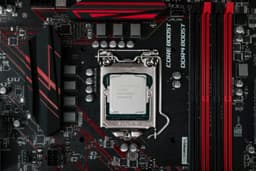
Intel's Transformation Faces Challenges and Opportunities

- Declining Leadership: Intel, once the key producer of microprocessors in the 1990s, has seen its market leadership slip due to a series of missteps, and is now scrambling to catch up with rivals Nvidia and AMD, highlighting the uncertainty surrounding the company's position in the tech industry.
- Strategic Transformation: New CEO Lip-Bu Tan has outlined a three-pronged strategy: leveraging the x86 CPU architecture to meet hyperscaler demands, catching up in the GPU market, and establishing Intel as a U.S. semiconductor foundry, attracting investments from both government and private sectors, indicating a strong focus on future growth.
- Financial Pressures: Despite the foundry segment generating $4.5 billion in revenue in Q4 2025, it reported $2.5 billion in operating losses, illustrating the significant financial challenges faced during the transformation, with operating margins consistently negative.
- Overly Optimistic Market Expectations: Although Intel's stock has surged over the past year, its forward P/E ratio is nearing 50, reflecting excessive optimism about the company's ability to quickly turn around, and investors should be cautious of potential disappointment given the slow progress of the transformation.

Nvidia Stock Price Potential Analysis
- Stock Performance: Nvidia's stock has been a standout performer over the past three years, with a $1,000 investment now worth nearly $8,601, reflecting its dominance in the AI chip market, although its flat price performance over the last six months lags behind the 39% rise in the semiconductor index.
- Earnings Growth Potential: Nvidia is expected to report earnings of $4.69 per share for fiscal 2026, representing a nearly 57% year-over-year increase, indicating strong earnings growth potential, especially with the upcoming launch of its next-generation Vera Rubin processors.
- Margin Improvement: Despite facing margin pressure in the first half of fiscal 2026 due to Blackwell processor production, management anticipates maintaining gross margins in the mid-70% range for fiscal 2027, suggesting opportunities for cost structure improvements that could enhance future earnings growth.
- Market Expectations: Analysts project a 65% increase in earnings for fiscal 2027, followed by a 28% rise in the subsequent year, and with a significant backlog of orders, this indicates that Nvidia still has room for further upside, making a stock price near $300 a realistic target.

Analysts Recommend Buying NVIDIA Stock Before Q4 Earnings with Strong Confidence
NVIDIA Stock Outlook: Analysts suggest that NVIDIA is a strong buy ahead of its Q4 2025 earnings release, with potential stock price increases projected from $180 to over $360, and possibly as high as $520 over time.
Market Sentiment and Trends: The sentiment among analysts is bullish, with a 96% buy rating bias and a consensus price target indicating a 45% upside, driven by strong anticipated Q4 results and the upcoming GTC developer conference.
Institutional Accumulation: Institutional investors are aggressively accumulating NVIDIA stock, owning about 65% of shares, which provides a solid support base and limits downside risks while indicating a bullish market trend.
Future Projections: NVIDIA's stock is expected to trade within its range until the upcoming catalyst emerges, with projections suggesting a potential doubling of stock price by 2035, aligning with broader market averages and growth expectations.
Nvidia's Earnings Report to Signal Market Direction
- Market Concentration Analysis: RBC Wealth Management's Rob Sluymer highlights that the concentration of mega-cap tech stocks has significantly increased over the past few years, leading to investors being overweight in these stocks, which have now declined about 7% year-to-date.
- Nvidia Earnings Preview: Nvidia is set to report its fourth-quarter earnings on February 25, and Sluymer believes this will serve as a crucial market indicator; if the results fall short of expectations, it could trigger a larger correction in tech stocks.
- Investor Sentiment Shift: As attention on tech stocks rises, Sluymer notes that some funds are rotating out of these high-valuation stocks into other sectors, a typical behavior in times of high market concentration.
- Future Market Outlook: Should Nvidia's earnings report disappoint, it may lead to a decline in market confidence in tech stocks, potentially resulting in a broader market correction that could impact overall investment strategies.
Nvidia Poised for Strong GPU Sales in China Again
- Massive Market Opportunity: Nvidia has negotiated a deal with the U.S. government to resume GPU sales to China, with CEO Jensen Huang estimating the Chinese market could generate up to $50 billion annually, significantly boosting the company's performance.
- Sales Recovery Expectations: Before the ban, Nvidia projected $8 billion in sales from China for Q2 FY 2025; if sales return to similar levels, GPU sales could exceed $30 billion, presenting substantial growth potential.
- Revenue Growth Forecast: Wall Street anticipates Nvidia's revenue will reach $326 billion for FY 2027, but given the surge in AI computing spending, actual revenue could hit $350 billion, further enhancing market confidence.
- Strong Profitability: If Nvidia achieves $350 billion in revenue while maintaining a 56% profit margin, it could generate $196 billion in profits, and with a reasonable 40x earnings valuation, the stock price could rise to $322, indicating a compelling investment opportunity.
AI Infrastructure Investment Soars to $700 Billion
- Market Size Forecast: In 2023, five companies are projected to spend a staggering $700 billion on AI data centers, indicating robust growth potential in the AI infrastructure market, which is expected to reach $1.4 trillion by 2030, driving a surge in related investments.
- Nvidia's Market Dominance: With a 90% market share in graphics processing units (GPUs), Nvidia is poised to benefit significantly from the growth in AI infrastructure spending, further solidifying its leadership position thanks to its powerful CUDA software platform.
- Broadcom's Competitive Edge: As a major competitor to Nvidia, Broadcom is assisting customers in developing custom AI application-specific integrated circuits (ASICs) and is expected to achieve substantial revenue growth through its networking products and the rise of Tensor Processing Units (TPUs), meeting increasing market demand.
- Opportunities for Micron and TSMC: Micron is set to benefit from the skyrocketing demand for high-bandwidth memory (HBM), leading to sustained revenue growth, while Taiwan Semiconductor Manufacturing Company (TSMC), with its monopoly in advanced logic chip manufacturing, is expected to capitalize on AI infrastructure spending through price hikes and capacity expansion over the next four years.
Intel's Transformation Faces Challenges and Opportunities
- Declining Leadership: Intel, once the key producer of microprocessors in the 1990s, has seen its market leadership slip due to a series of missteps, and is now scrambling to catch up with rivals Nvidia and AMD, highlighting the uncertainty surrounding the company's position in the tech industry.
- Strategic Transformation: New CEO Lip-Bu Tan has outlined a three-pronged strategy: leveraging the x86 CPU architecture to meet hyperscaler demands, catching up in the GPU market, and establishing Intel as a U.S. semiconductor foundry, attracting investments from both government and private sectors, indicating a strong focus on future growth.
- Financial Pressures: Despite the foundry segment generating $4.5 billion in revenue in Q4 2025, it reported $2.5 billion in operating losses, illustrating the significant financial challenges faced during the transformation, with operating margins consistently negative.
- Overly Optimistic Market Expectations: Although Intel's stock has surged over the past year, its forward P/E ratio is nearing 50, reflecting excessive optimism about the company's ability to quickly turn around, and investors should be cautious of potential disappointment given the slow progress of the transformation.
Nvidia Stock Price Potential Analysis
- Stock Performance: Nvidia's stock has been a standout performer over the past three years, with a $1,000 investment now worth nearly $8,601, reflecting its dominance in the AI chip market, although its flat price performance over the last six months lags behind the 39% rise in the semiconductor index.
- Earnings Growth Potential: Nvidia is expected to report earnings of $4.69 per share for fiscal 2026, representing a nearly 57% year-over-year increase, indicating strong earnings growth potential, especially with the upcoming launch of its next-generation Vera Rubin processors.
- Margin Improvement: Despite facing margin pressure in the first half of fiscal 2026 due to Blackwell processor production, management anticipates maintaining gross margins in the mid-70% range for fiscal 2027, suggesting opportunities for cost structure improvements that could enhance future earnings growth.
- Market Expectations: Analysts project a 65% increase in earnings for fiscal 2027, followed by a 28% rise in the subsequent year, and with a significant backlog of orders, this indicates that Nvidia still has room for further upside, making a stock price near $300 a realistic target.
Analysts Recommend Buying NVIDIA Stock Before Q4 Earnings with Strong Confidence
NVIDIA Stock Outlook: Analysts suggest that NVIDIA is a strong buy ahead of its Q4 2025 earnings release, with potential stock price increases projected from $180 to over $360, and possibly as high as $520 over time.
Market Sentiment and Trends: The sentiment among analysts is bullish, with a 96% buy rating bias and a consensus price target indicating a 45% upside, driven by strong anticipated Q4 results and the upcoming GTC developer conference.
Institutional Accumulation: Institutional investors are aggressively accumulating NVIDIA stock, owning about 65% of shares, which provides a solid support base and limits downside risks while indicating a bullish market trend.
Future Projections: NVIDIA's stock is expected to trade within its range until the upcoming catalyst emerges, with projections suggesting a potential doubling of stock price by 2035, aligning with broader market averages and growth expectations.