EWT: ETF Inflow Alert
EWT Share Price Analysis: EWT's share price is currently at $51.80, with a 52-week low of $39.44 and a high of $57.69, indicating its performance within this range.
ETFs Trading Dynamics: Exchange traded funds (ETFs) function like stocks but involve trading "units" that can be created or destroyed based on investor demand, affecting the underlying assets held within the ETFs.
Trade with 70% Backtested Accuracy
Analyst Views on EWT
About the author

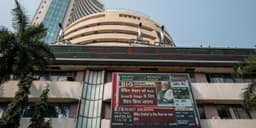
India and Brazil: The Anti-AI Trade Markets Poised for Growth.


- Impact on U.S. Stocks: Rising fears over artificial intelligence have negatively affected U.S. stock markets this week.
- Emerging Markets Response: Concerns about AI have also influenced emerging markets that have benefited from U.S. corporate spending on AI.
- Potential Hedge: Certain segments of emerging markets may provide a hedge against the overall market weakness caused by AI fears.
- Broader Market Implications: The situation highlights the interconnectedness of U.S. corporate spending and global market dynamics in the context of AI developments.

Boeing and Other Defense Stocks Affected by China Sanctions


- Boeing Sanctions: Boeing is one of the U.S. defense companies that faced sanctions imposed by China.
- Response to U.S. Actions: The sanctions are a reaction to the Trump administration's decision to sell weapons to Taiwan.

Taiwan Reveals $40 Billion Defense Budget for U.S. Arms and T-Dome in Response to China Threat

Taiwan's Defense Budget Announcement: Taiwan's President Lai Ching-te has proposed a $40 billion defense budget over the next eight years to enhance military capabilities in response to U.S. pressure and China's military threats.
Focus on Asymmetrical Defense: The budget will fund significant arms acquisitions from the U.S. and develop the 'T-Dome' defense system to protect against various military threats from China.
Increased Defense Spending: Taiwan's defense spending is projected to rise to 3.3% of GDP by next year, with a commitment to increase it to 5% by 2030, reflecting the urgency of the security situation.
U.S. Support and China's Opposition: The U.S. State Department has welcomed Taiwan's budget as a demonstration of resolve, while China has condemned the military ties between the U.S. and Taiwan, asserting that Taiwan's military buildup will not prevent reunification.

International Markets Surpass US Performance Year-to-Date; Chinese Enthusiasm Drives Purchases


Overseas Market Performance: Overseas markets, particularly South Korea, Vietnam, and Mexico, have significantly outperformed the S&P 500 year-to-date, highlighting the importance of diversifying investments beyond U.S. borders.
U.S.-China Trade Deal Impact: Positive market sentiment is driven by the anticipated U.S.-China trade deal, with aggressive buying in major stocks and ETFs, while rare earth stocks face selling pressure due to speculation about China's market actions post-deal.
Argentina's Political Shift: Javier Milei's election victory in Argentina, supported by U.S. financial backing, is seen as a win for President Trump and reflects a global shift towards right-leaning politics, resulting in a surge in Argentine stocks.
Investment Strategies and Market Trends: Investors are advised to maintain long-term positions while considering protective measures like cash or short-term trades, and to focus on high-quality bonds in a traditional 60/40 portfolio strategy amidst current market conditions.
Taiwan and Japan Suspend Small Package Deliveries to U.S. Following Expiration of Duty-Free Exemption

Taiwan's Postal Service Suspension: Taiwan’s postal service, Chunghwa Post, has halted shipments of small parcels to the U.S. due to the Trump administration's decision to eliminate the "de minimis" duty exemption for low-value imports.
Impact on Global Postal System: The suspension is attributed to the lack of a global postal system that allows senders to prepay customs duties, alongside announcements from contracted carriers regarding the cessation of merchandise mail deliveries.
Japan Post's Similar Action: Japan Post Co. is also suspending shipments of certain small packages to the U.S. in response to new tariffs imposed by the U.S. government.
Executive Order Effects: An executive order issued on July 30 will end duty-free treatment for personal use mail starting August 29, leading to increased costs and reduced shipments for retailers and logistics firms involved in cross-border commerce.
Taiwan to Increase Defense Spending in Response to China Threats and Trump’s Demands

Taiwan's Defense Spending Proposal: Taiwan plans to increase its defense budget to NT$949.5 billion ($31.2 billion) for 2026, aiming to strengthen its military capabilities amid rising tensions with China.
Response to U.S. Pressure: The proposed budget increase is partly in response to President Donald Trump's call for Taiwan to take more responsibility for its own defense.
Significant Budget Increase: The new budget represents a nearly 23% increase from the previous year and will allocate funds for the Coast Guard and veteran pensions for the first time.
Economic Impact: The defense spending would account for 3.32% of Taiwan's economic output, surpassing the previously set target of 3%.
India and Brazil: The Anti-AI Trade Markets Poised for Growth.
- Impact on U.S. Stocks: Rising fears over artificial intelligence have negatively affected U.S. stock markets this week.
- Emerging Markets Response: Concerns about AI have also influenced emerging markets that have benefited from U.S. corporate spending on AI.
- Potential Hedge: Certain segments of emerging markets may provide a hedge against the overall market weakness caused by AI fears.
- Broader Market Implications: The situation highlights the interconnectedness of U.S. corporate spending and global market dynamics in the context of AI developments.
Boeing and Other Defense Stocks Affected by China Sanctions
- Boeing Sanctions: Boeing is one of the U.S. defense companies that faced sanctions imposed by China.
- Response to U.S. Actions: The sanctions are a reaction to the Trump administration's decision to sell weapons to Taiwan.
Taiwan Reveals $40 Billion Defense Budget for U.S. Arms and T-Dome in Response to China Threat
Taiwan's Defense Budget Announcement: Taiwan's President Lai Ching-te has proposed a $40 billion defense budget over the next eight years to enhance military capabilities in response to U.S. pressure and China's military threats.
Focus on Asymmetrical Defense: The budget will fund significant arms acquisitions from the U.S. and develop the 'T-Dome' defense system to protect against various military threats from China.
Increased Defense Spending: Taiwan's defense spending is projected to rise to 3.3% of GDP by next year, with a commitment to increase it to 5% by 2030, reflecting the urgency of the security situation.
U.S. Support and China's Opposition: The U.S. State Department has welcomed Taiwan's budget as a demonstration of resolve, while China has condemned the military ties between the U.S. and Taiwan, asserting that Taiwan's military buildup will not prevent reunification.
International Markets Surpass US Performance Year-to-Date; Chinese Enthusiasm Drives Purchases
Overseas Market Performance: Overseas markets, particularly South Korea, Vietnam, and Mexico, have significantly outperformed the S&P 500 year-to-date, highlighting the importance of diversifying investments beyond U.S. borders.
U.S.-China Trade Deal Impact: Positive market sentiment is driven by the anticipated U.S.-China trade deal, with aggressive buying in major stocks and ETFs, while rare earth stocks face selling pressure due to speculation about China's market actions post-deal.
Argentina's Political Shift: Javier Milei's election victory in Argentina, supported by U.S. financial backing, is seen as a win for President Trump and reflects a global shift towards right-leaning politics, resulting in a surge in Argentine stocks.
Investment Strategies and Market Trends: Investors are advised to maintain long-term positions while considering protective measures like cash or short-term trades, and to focus on high-quality bonds in a traditional 60/40 portfolio strategy amidst current market conditions.
Taiwan and Japan Suspend Small Package Deliveries to U.S. Following Expiration of Duty-Free Exemption
Taiwan's Postal Service Suspension: Taiwan’s postal service, Chunghwa Post, has halted shipments of small parcels to the U.S. due to the Trump administration's decision to eliminate the "de minimis" duty exemption for low-value imports.
Impact on Global Postal System: The suspension is attributed to the lack of a global postal system that allows senders to prepay customs duties, alongside announcements from contracted carriers regarding the cessation of merchandise mail deliveries.
Japan Post's Similar Action: Japan Post Co. is also suspending shipments of certain small packages to the U.S. in response to new tariffs imposed by the U.S. government.
Executive Order Effects: An executive order issued on July 30 will end duty-free treatment for personal use mail starting August 29, leading to increased costs and reduced shipments for retailers and logistics firms involved in cross-border commerce.
Taiwan to Increase Defense Spending in Response to China Threats and Trump’s Demands
Taiwan's Defense Spending Proposal: Taiwan plans to increase its defense budget to NT$949.5 billion ($31.2 billion) for 2026, aiming to strengthen its military capabilities amid rising tensions with China.
Response to U.S. Pressure: The proposed budget increase is partly in response to President Donald Trump's call for Taiwan to take more responsibility for its own defense.
Significant Budget Increase: The new budget represents a nearly 23% increase from the previous year and will allocate funds for the Coast Guard and veteran pensions for the first time.
Economic Impact: The defense spending would account for 3.32% of Taiwan's economic output, surpassing the previously set target of 3%.