Eli Lilly invests in eye care by acquiring gene therapy company Adverum

Acquisition Details: Eli Lilly is acquiring Adverum Biotechnologies for up to $261.7 million to enhance its pipeline with the experimental eye disease treatment Ixo-vec, which targets wet age-related macular degeneration (wAMD).
Financial Terms: Lilly has offered $3.56 per share in cash, with potential milestone payments bringing the total to $12.47 per share, contingent on regulatory approval and sales targets.
Market Context: The wAMD treatment market is competitive, with existing therapies requiring frequent injections, while Ixo-vec aims to provide a one-time injection solution.
Future Outlook: Analysts predict significant sales potential for Ixo-vec, estimating global sales could reach $1.3 billion by 2033, and Lilly expects the acquisition to finalize in the fourth quarter.
Trade with 70% Backtested Accuracy
Analyst Views on ABBV

About ABBV
About the author


Investment Opportunities Amid Market Volatility

- Market Volatility Analysis: All five stocks discussed have experienced varying degrees of pullback, and this volatility is expected to continue in the foreseeable future as investors rotate their assets.
- Overdone Sell-off Assessment: Despite the market pressure, the sell-off of certain stocks appears overdone, and analysts believe these stocks remain attractive for inclusion in investment portfolios, particularly Marvell Technology.
- Marvell Technology Growth Potential: As an AI-focused company, Marvell Technology has gone through significant ups and downs, yet its growth trajectory is still viewed positively, indicating potential for long-term investment.
- Video Content Recommendation: The video will delve deeper into the performance of these stocks, encouraging viewers to subscribe to the channel and check out the special offer in the link below for more investment insights.

Three Dividend Stocks to Hold for 20 Years

- AbbVie's Dividend Growth: AbbVie (ABBV), a Dividend King, has raised its dividend for 54 consecutive years, with a current yield of 3.1%, demonstrating its ability to rebound from patent expirations and maintain growth, making it a solid hold for the next 20 years.
- Coca-Cola's Stability: Coca-Cola (KO) is also a Dividend King, having increased its dividend for 63 years, with a yield of 2.6%, as the company has successfully adapted to market changes, marketing 30 brands with annual sales exceeding $1 billion, and is expected to continue its dividend increases.
- Realty Income's High Yield: Realty Income (O), while not a Dividend King, has raised its dividend for 30 years, boasting a yield over 5%, with Q3 adjusted funds from operations at $1.08 per share, significantly above the $0.807 in dividends paid, indicating strong funding capabilities for its dividend program.
- Low Volatility Investment Choice: Realty Income has a beta of 0.5 since its NYSE listing in 1994, reflecting low volatility, and combined with its high dividend yield, it presents an excellent long-term investment option for those seeking stable income.

Institutional Managers Anticipate Market Correction in 2026


- Market Correction Expectation: A survey by Natixis Investment Managers reveals that 74% of institutional money managers anticipate a market correction in 2026, citing concerns over the tech bubble, geopolitics, and macroeconomic factors, indicating a cautious outlook for future market conditions.
- Defensive Stock Performance: Pharmaceutical giants AbbVie and Merck are recognized as strong defensive stocks, having performed exceptionally well during market downturns, with AbbVie stock rising 24% and Merck 49% in the 2022 bear market, demonstrating their resilience in economic slowdowns.
- Stable Dividend Growth: AbbVie recently raised its dividend by 5% to $1.73 per share, marking the 13th consecutive year of increases, while Merck pays a quarterly dividend of $0.85 per share, having raised it for 15 years, both significantly exceeding the S&P 500 average yield.
- Future Growth Outlook: AbbVie projects adjusted diluted earnings per share of $14.37 to $14.57 in 2026, representing a 43% to 45% increase from 2025; Merck forecasts global sales of $65.5 billion to $67 billion, indicating strong growth potential for both companies in the upcoming market landscape.

Investment Potential of Novo Nordisk and AbbVie
- Novo Nordisk Growth Potential: Novo Nordisk's diabetes and obesity care drugs saw a 7% sales increase in fiscal 2025, with obesity care drugs surging by 26%, and experts predict the GLP-1 market will reach $254 billion by 2034, reflecting a robust long-term growth outlook.
- Attractive Valuation: Currently trading at a price-to-earnings ratio of 13, Novo Nordisk's stock price is $49.55, allowing a $500 investment to purchase 10 shares, making it an ideal choice for investors given its strong market position and low valuation.
- AbbVie as a Defensive Investment: AbbVie has risen 24% during the 2022 bear market since its spin-off from Abbott in 2013, showcasing its resilience as a defensive stock, while its dividend has increased for 13 consecutive years, currently yielding 3.1%.
- Future Growth Potential: AbbVie's drugs Skyrizi and Rinvoq achieved net revenue growth of 33% and 30% in 2025, respectively, with analysts forecasting an 11% stock price increase over the next 12 months to $250 per share, highlighting its strong performance amid drug transitions.
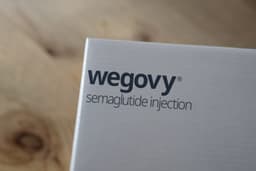
Investment Outlook for Pharmaceutical Sector
- Novo Nordisk Growth Potential: As a global leader in GLP-1 drug manufacturing, Novo Nordisk's diabetes and obesity care drugs saw a 7% sales increase in fiscal 2025, with obesity drugs rising 26%, indicating strong market demand and future growth potential.
- Optimistic Market Outlook: Experts predict that the GLP-1 market will grow to $254 billion by 2034, with a compound annual growth rate of 17%, positioning Novo Nordisk to benefit significantly from this rapidly expanding market and further solidify its leadership.
- AbbVie Defensive Investment: Since its spin-off from Abbott Labs in 2013, AbbVie has shown impressive resilience, rising 24% during the 2022 bear market, demonstrating its strength as a defensive stock, while its 3.1% high dividend yield attracts long-term investors.
- Future Growth Potential: AbbVie's drugs Skyrizi and Rinvoq achieved net revenue gains of 33% and 30% in 2025, respectively, with analysts forecasting an 11% stock price increase over the next 12 months to $250 per share, enhancing its investment appeal.

Deutsche Bank Upgrades Merck to Buy with $150 Target
- Rating Upgrade: Deutsche Bank analyst James Shin upgraded Merck from Hold to Buy, raising the price target from $115 to $150, indicating a potential 26% upside from Thursday's closing price of $119.24, reflecting the market's undervaluation of the company.
- Patent Cliff Concerns: The analyst noted that market fears regarding Keytruda's impending patent expiration have led to Merck's undervaluation, but he believes the company has a clear path to navigate this transition effectively, similar to AbbVie's successful management of Humira's patent cliff.
- Optimistic Earnings Outlook: Shin projects Merck's trough earnings at approximately $11 per share, exceeding the Street's consensus of around $10, with historical data showing that investing at points of trough clarity often presents significant opportunities, as evidenced by AbbVie's valuation multiple expansion from 11x to 15x.
- Pipeline Potential: Deutsche Bank's assessment suggests that Merck may already have visibility to low-single-digit terminal revenue growth excluding Keytruda, with its pipeline strengthened by acquisitions like Winrevair, Ohtuvayre, and CDTX, potentially providing over $35 billion in risk-adjusted revenue by 2035, easing the transition beyond Keytruda.
Investment Opportunities Amid Market Volatility
- Market Volatility Analysis: All five stocks discussed have experienced varying degrees of pullback, and this volatility is expected to continue in the foreseeable future as investors rotate their assets.
- Overdone Sell-off Assessment: Despite the market pressure, the sell-off of certain stocks appears overdone, and analysts believe these stocks remain attractive for inclusion in investment portfolios, particularly Marvell Technology.
- Marvell Technology Growth Potential: As an AI-focused company, Marvell Technology has gone through significant ups and downs, yet its growth trajectory is still viewed positively, indicating potential for long-term investment.
- Video Content Recommendation: The video will delve deeper into the performance of these stocks, encouraging viewers to subscribe to the channel and check out the special offer in the link below for more investment insights.
Three Dividend Stocks to Hold for 20 Years
- AbbVie's Dividend Growth: AbbVie (ABBV), a Dividend King, has raised its dividend for 54 consecutive years, with a current yield of 3.1%, demonstrating its ability to rebound from patent expirations and maintain growth, making it a solid hold for the next 20 years.
- Coca-Cola's Stability: Coca-Cola (KO) is also a Dividend King, having increased its dividend for 63 years, with a yield of 2.6%, as the company has successfully adapted to market changes, marketing 30 brands with annual sales exceeding $1 billion, and is expected to continue its dividend increases.
- Realty Income's High Yield: Realty Income (O), while not a Dividend King, has raised its dividend for 30 years, boasting a yield over 5%, with Q3 adjusted funds from operations at $1.08 per share, significantly above the $0.807 in dividends paid, indicating strong funding capabilities for its dividend program.
- Low Volatility Investment Choice: Realty Income has a beta of 0.5 since its NYSE listing in 1994, reflecting low volatility, and combined with its high dividend yield, it presents an excellent long-term investment option for those seeking stable income.
Institutional Managers Anticipate Market Correction in 2026
- Market Correction Expectation: A survey by Natixis Investment Managers reveals that 74% of institutional money managers anticipate a market correction in 2026, citing concerns over the tech bubble, geopolitics, and macroeconomic factors, indicating a cautious outlook for future market conditions.
- Defensive Stock Performance: Pharmaceutical giants AbbVie and Merck are recognized as strong defensive stocks, having performed exceptionally well during market downturns, with AbbVie stock rising 24% and Merck 49% in the 2022 bear market, demonstrating their resilience in economic slowdowns.
- Stable Dividend Growth: AbbVie recently raised its dividend by 5% to $1.73 per share, marking the 13th consecutive year of increases, while Merck pays a quarterly dividend of $0.85 per share, having raised it for 15 years, both significantly exceeding the S&P 500 average yield.
- Future Growth Outlook: AbbVie projects adjusted diluted earnings per share of $14.37 to $14.57 in 2026, representing a 43% to 45% increase from 2025; Merck forecasts global sales of $65.5 billion to $67 billion, indicating strong growth potential for both companies in the upcoming market landscape.
Investment Potential of Novo Nordisk and AbbVie
- Novo Nordisk Growth Potential: Novo Nordisk's diabetes and obesity care drugs saw a 7% sales increase in fiscal 2025, with obesity care drugs surging by 26%, and experts predict the GLP-1 market will reach $254 billion by 2034, reflecting a robust long-term growth outlook.
- Attractive Valuation: Currently trading at a price-to-earnings ratio of 13, Novo Nordisk's stock price is $49.55, allowing a $500 investment to purchase 10 shares, making it an ideal choice for investors given its strong market position and low valuation.
- AbbVie as a Defensive Investment: AbbVie has risen 24% during the 2022 bear market since its spin-off from Abbott in 2013, showcasing its resilience as a defensive stock, while its dividend has increased for 13 consecutive years, currently yielding 3.1%.
- Future Growth Potential: AbbVie's drugs Skyrizi and Rinvoq achieved net revenue growth of 33% and 30% in 2025, respectively, with analysts forecasting an 11% stock price increase over the next 12 months to $250 per share, highlighting its strong performance amid drug transitions.
Investment Outlook for Pharmaceutical Sector
- Novo Nordisk Growth Potential: As a global leader in GLP-1 drug manufacturing, Novo Nordisk's diabetes and obesity care drugs saw a 7% sales increase in fiscal 2025, with obesity drugs rising 26%, indicating strong market demand and future growth potential.
- Optimistic Market Outlook: Experts predict that the GLP-1 market will grow to $254 billion by 2034, with a compound annual growth rate of 17%, positioning Novo Nordisk to benefit significantly from this rapidly expanding market and further solidify its leadership.
- AbbVie Defensive Investment: Since its spin-off from Abbott Labs in 2013, AbbVie has shown impressive resilience, rising 24% during the 2022 bear market, demonstrating its strength as a defensive stock, while its 3.1% high dividend yield attracts long-term investors.
- Future Growth Potential: AbbVie's drugs Skyrizi and Rinvoq achieved net revenue gains of 33% and 30% in 2025, respectively, with analysts forecasting an 11% stock price increase over the next 12 months to $250 per share, enhancing its investment appeal.
Deutsche Bank Upgrades Merck to Buy with $150 Target
- Rating Upgrade: Deutsche Bank analyst James Shin upgraded Merck from Hold to Buy, raising the price target from $115 to $150, indicating a potential 26% upside from Thursday's closing price of $119.24, reflecting the market's undervaluation of the company.
- Patent Cliff Concerns: The analyst noted that market fears regarding Keytruda's impending patent expiration have led to Merck's undervaluation, but he believes the company has a clear path to navigate this transition effectively, similar to AbbVie's successful management of Humira's patent cliff.
- Optimistic Earnings Outlook: Shin projects Merck's trough earnings at approximately $11 per share, exceeding the Street's consensus of around $10, with historical data showing that investing at points of trough clarity often presents significant opportunities, as evidenced by AbbVie's valuation multiple expansion from 11x to 15x.
- Pipeline Potential: Deutsche Bank's assessment suggests that Merck may already have visibility to low-single-digit terminal revenue growth excluding Keytruda, with its pipeline strengthened by acquisitions like Winrevair, Ohtuvayre, and CDTX, potentially providing over $35 billion in risk-adjusted revenue by 2035, easing the transition beyond Keytruda.