Chubb Q4 2025 Earnings Exceed Expectations
- Strong Earnings Performance: Chubb reported Q4 2025 operating EPS of $7.52, exceeding the analyst estimate of $6.78, and rising from $7.49 in Q3 and $6.02 a year earlier, indicating sustained profitability improvements.
- Record P&C Underwriting Income: The property and casualty underwriting income reached a record $6.53 billion in Q4, up from $2.26 billion in Q3 and reflecting an 11.6% year-over-year growth, showcasing the company's robust market performance and expanding market share.
- Significant Reduction in Catastrophe Losses: Total pre-tax catastrophe losses were $265 million, down from $285 million in Q3 and $607 million in Q4 2024, demonstrating the effectiveness of the company's risk management strategies.
- Steady Growth in Investment Income: Adjusted net investment income rose to $1.81 billion from $1.78 billion in Q3, marking a 7.3% year-over-year increase, which enhances the company's financial stability through effective portfolio management.
Trade with 70% Backtested Accuracy
Analyst Views on CB

About CB
About the author


Oklahoma Family Faces Claim Dispute After House Fire

- Fire Damage Assessment: Kenny Cox and his wife faced a devastating house fire in Broken Arrow, Oklahoma, where firefighters used approximately 10,000 gallons of water, resulting in a total loss deemed irreparable by structural engineers, leading to significant financial and emotional distress for the family.
- Insurance Company Inconsistency: Initially, State Farm classified the home as a total loss, but later reversed its decision to repair, a move Cox believes will save the insurer thousands, highlighting the lack of transparency and fairness in the claims process.
- Increasing Legal Actions: As more clients file lawsuits against State Farm, Oklahoma's Attorney General intervened, alleging the company employed internal strategies to minimize roof-related payouts, reflecting broader issues within the insurance industry that affect many families' rights.
- Low Customer Satisfaction: According to the J.D. Power 2025 study, State Farm scored only 661 in claims satisfaction, below the industry average, indicating deficiencies in customer service and claims handling that could lead to customer attrition and a decline in market share.

Berkshire Likely Sold Additional Shares of Apple and Bank of America in Q4

Berkshire Hathaway's Filing: The company is set to release its fourth-quarter equity holdings, which will be closely examined by investors and analysts.
Warren Buffett's Leadership: This filing is particularly significant as it marks Warren Buffett's final quarter leading Berkshire Hathaway, raising interest in any strategic moves made by him and his team.

Lemonade's Rapid Expansion in Insurance Market

- Customer Base Growth: Lemonade's customer base surged from 1 million at the end of 2020 to 2.87 million by Q3 2025, nearly tripling and demonstrating its appeal among younger consumers, thereby solidifying its market position.
- Product Expansion: Since its 2020 IPO, Lemonade has diversified from homeowners and renters insurance to include term life, pet, and auto insurance, with plans to grow its in-force premium from $1.16 billion to $10 billion in the coming years, showcasing the potential of its diversification strategy.
- Revenue Growth Expectations: Analysts forecast Lemonade's revenue to grow at a 42% CAGR from 2025 to 2027, with adjusted EBITDA turning positive in the final year, indicating a potential improvement in profitability.
- Increased Competitive Pressure: Despite Lemonade's strong growth potential, it faces significant competition from larger insurers that are also launching similar AI-driven services, which could impact its market share and profitability.

Insurance Stocks Thrive Amid Market Volatility; Stability Could Be the Key.

- Insurance Stocks Performance: Insurance stocks are showing strong performance, achieving steady gains amidst market volatility.
- Sector Resilience: This group within the financial sector is demonstrating its strength and resilience compared to the broader market.
Chubb Ltd (CB.US) Officer Plans to Sell $9.23 Million in Common Stock via Form 144
Share Sale Announcement: Chubb Ltd. officer Timothy Alan Borroughs plans to sell 27,817 shares of its common stock on February 6, with a total market value of approximately $9.23 million.
Reduction in Shareholding: Borroughs has reduced his shareholding in Chubb Ltd. by 11,430 shares since November 24, 2025, with a total value of around $3.39 million.
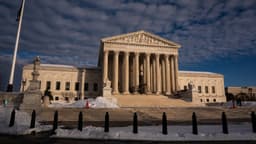
Supreme Court Ruling on Tariff Legality Could Have Major Implications

- Potential for Tariff Refunds: Should the Supreme Court rule that Trump's International Emergency Economic Powers Act (IEEPA) tariffs are illegal, U.S. companies could receive billions in tariff refunds and insurance payouts, significantly improving their cash flow and financial health.
- Surge in Customs Bonds: As tariffs have risen from 10% to over 25%, importers are now facing customs bond amounts ranging from the regulatory minimum of $50,000 to $450 million, with some clients experiencing increases of up to 550%, putting pressure on their liquidity positions.
- Increased Insurer Profits: Insurers are benefiting from higher premium collections due to the rising customs bond amounts, with the number of insufficiency notices issued to importers quadrupling since 2017, highlighting the volatility and complexity of the current market environment.
- Future Uncertainty: If the Supreme Court rules the IEEPA tariffs illegal, while this may pose revenue challenges for insurers, the potential for freer trade and reduced uncertainty could yield positive economic outcomes, although the refund process may take time.
Oklahoma Family Faces Claim Dispute After House Fire
- Fire Damage Assessment: Kenny Cox and his wife faced a devastating house fire in Broken Arrow, Oklahoma, where firefighters used approximately 10,000 gallons of water, resulting in a total loss deemed irreparable by structural engineers, leading to significant financial and emotional distress for the family.
- Insurance Company Inconsistency: Initially, State Farm classified the home as a total loss, but later reversed its decision to repair, a move Cox believes will save the insurer thousands, highlighting the lack of transparency and fairness in the claims process.
- Increasing Legal Actions: As more clients file lawsuits against State Farm, Oklahoma's Attorney General intervened, alleging the company employed internal strategies to minimize roof-related payouts, reflecting broader issues within the insurance industry that affect many families' rights.
- Low Customer Satisfaction: According to the J.D. Power 2025 study, State Farm scored only 661 in claims satisfaction, below the industry average, indicating deficiencies in customer service and claims handling that could lead to customer attrition and a decline in market share.
Berkshire Likely Sold Additional Shares of Apple and Bank of America in Q4
Berkshire Hathaway's Filing: The company is set to release its fourth-quarter equity holdings, which will be closely examined by investors and analysts.
Warren Buffett's Leadership: This filing is particularly significant as it marks Warren Buffett's final quarter leading Berkshire Hathaway, raising interest in any strategic moves made by him and his team.
Lemonade's Rapid Expansion in Insurance Market
- Customer Base Growth: Lemonade's customer base surged from 1 million at the end of 2020 to 2.87 million by Q3 2025, nearly tripling and demonstrating its appeal among younger consumers, thereby solidifying its market position.
- Product Expansion: Since its 2020 IPO, Lemonade has diversified from homeowners and renters insurance to include term life, pet, and auto insurance, with plans to grow its in-force premium from $1.16 billion to $10 billion in the coming years, showcasing the potential of its diversification strategy.
- Revenue Growth Expectations: Analysts forecast Lemonade's revenue to grow at a 42% CAGR from 2025 to 2027, with adjusted EBITDA turning positive in the final year, indicating a potential improvement in profitability.
- Increased Competitive Pressure: Despite Lemonade's strong growth potential, it faces significant competition from larger insurers that are also launching similar AI-driven services, which could impact its market share and profitability.
Insurance Stocks Thrive Amid Market Volatility; Stability Could Be the Key.
- Insurance Stocks Performance: Insurance stocks are showing strong performance, achieving steady gains amidst market volatility.
- Sector Resilience: This group within the financial sector is demonstrating its strength and resilience compared to the broader market.
Chubb Ltd (CB.US) Officer Plans to Sell $9.23 Million in Common Stock via Form 144
Share Sale Announcement: Chubb Ltd. officer Timothy Alan Borroughs plans to sell 27,817 shares of its common stock on February 6, with a total market value of approximately $9.23 million.
Reduction in Shareholding: Borroughs has reduced his shareholding in Chubb Ltd. by 11,430 shares since November 24, 2025, with a total value of around $3.39 million.
Supreme Court Ruling on Tariff Legality Could Have Major Implications
- Potential for Tariff Refunds: Should the Supreme Court rule that Trump's International Emergency Economic Powers Act (IEEPA) tariffs are illegal, U.S. companies could receive billions in tariff refunds and insurance payouts, significantly improving their cash flow and financial health.
- Surge in Customs Bonds: As tariffs have risen from 10% to over 25%, importers are now facing customs bond amounts ranging from the regulatory minimum of $50,000 to $450 million, with some clients experiencing increases of up to 550%, putting pressure on their liquidity positions.
- Increased Insurer Profits: Insurers are benefiting from higher premium collections due to the rising customs bond amounts, with the number of insufficiency notices issued to importers quadrupling since 2017, highlighting the volatility and complexity of the current market environment.
- Future Uncertainty: If the Supreme Court rules the IEEPA tariffs illegal, while this may pose revenue challenges for insurers, the potential for freer trade and reduced uncertainty could yield positive economic outcomes, although the refund process may take time.