

Kohl's (KSS) Shows Strong Momentum: Is It a Good Time to Invest?
Momentum Investing Overview: Momentum investing involves buying stocks that are trending upwards, with the expectation that they will continue to rise. The Zacks Momentum Style Score helps identify stocks with strong momentum characteristics.
Kohl's Performance Metrics: Kohl's (KSS) has a Momentum Style Score of A and a Zacks Rank of #1 (Strong Buy), with significant price increases over various time frames, outperforming both its industry and the S&P 500.
Earnings Estimate Revisions: KSS has seen positive earnings estimate revisions, with four estimates raised in the last two months, boosting its consensus estimate from $0.66 to $1.24, indicating strong future performance potential.
Investment Opportunities: The article highlights the potential of artificial intelligence and quantum computing in reshaping investment strategies, suggesting that investors should consider stocks positioned to benefit from these technological advancements.
Trade with 70% Backtested Accuracy
Analyst Views on KSS

About KSS
About the author


Market Dynamics of Heavily Shorted Stocks


- Attraction of Shorted Stocks: LCID stock has become a target for heavy shorting as many experienced traders and institutional investors believe the company's fundamentals are overvalued, reflecting a pessimistic outlook on its future performance.
- Short Selling Mechanics: Short sellers bet on significant risks facing the company, such as poor earnings or industry headwinds, which may lead to a decline in stock price, thus garnering attention for short-selling strategies in the market.
- Short Squeeze Dynamics: When a stock's price unexpectedly rises, short sellers are forced to buy back shares to cover their positions, creating a surge in demand that further drives up the price, resulting in a feedback loop that can lead to explosive gains in a short time frame.
- Most Shorted Stocks List: As of February 13, the most heavily shorted stocks include companies with market caps above $2 billion and free floats exceeding 5 million shares, with short interest serving as a barometer of market sentiment.

Small-Cap Stocks Surge, Outperforming Large-Caps in 2026
- Small-Cap Outperformance: Year-to-date in 2026, the iShares Core S&P Small-Cap ETF (IJR) has surged 10.9%, significantly outperforming the SPDR S&P 500 ETF Trust (SPY), which only rose 1.4%, indicating a potential shift in investor sentiment towards small-cap stocks after years of underperformance.
- Leading Stocks: Kohl's (KSS) tops the list with an 18.49% price percentage above the 200-day simple moving average (200DSMA), followed closely by Newegg Commerce (NEGG) and LGI Homes (LGIH), suggesting strong performance in the consumer discretionary sector that could drive increased investment interest in these industries.
- Divergent Ratings: Among the top performers, Revolve Group (RVLV) and Pursuit Attractions (PRSU) have received Buy ratings, while Kohl's (KSS) and G-III Apparel Group (GIII) maintain Hold ratings, reflecting varying levels of market confidence that may influence investor decisions.
- Market Dynamics: The robust performance of consumer discretionary stocks contrasts with stagnating retail sales, indicating that despite broader economic challenges, specific small-cap stocks continue to attract investor attention, potentially signaling a shift in market dynamics.

Market Analysis of Heavily Shorted Stocks

- Attraction of Shorted Stocks: Investors maintain high short interest in overvalued stocks, indicating significant perceived risks such as poor earnings or industry headwinds that could drive prices down, impacting market sentiment and investment strategies.
- Bear vs. Bull Dynamics: Short sellers meticulously identify companies they view as ticking time bombs, while retail traders see high short interest as a potential springboard for price rebounds, where rising stock prices can trigger short squeezes, affecting market liquidity.
- Understanding Short Squeeze Mechanics: A short squeeze creates a volatile feedback loop initiated by unexpected price increases, forcing short sellers to buy back shares to cover positions, which spikes demand and further elevates prices, trapping more short sellers and potentially leading to outsized returns.
- Current Market Landscape: As of February 2, the most shorted stocks include those with market caps above $2 billion and free floats exceeding 5 million shares, ranked by short interest, highlighting the market's focus on these stocks and their associated risks.

Rise of Retail Investors and Tesla's Dominance


- Rise of Retail Investors: Five years ago, the meme stock craze initiated by retail investors, particularly through the short squeeze of GameStop, became a pivotal event in modern market history, reshaping trading dynamics.
- Tesla's Market Position: In 2023, Tesla surpassed the SPDR S&P 500 ETF to become the most purchased stock by retail investors, reflecting its skyrocketing popularity among small-scale investors, having not even made the top 20 four years prior.
- Performance Comparison: Tesla's shares more than doubled in 2023, while the Nasdaq Composite only gained 43%, highlighting Tesla's robust recovery and the intense market focus on its performance.
- Influence of Retail Investors: Blackrock estimates that retail investors now account for nearly 20% of average daily flows, a significant increase from low single-digit percentages before the pandemic, underscoring their growing impact on the market.
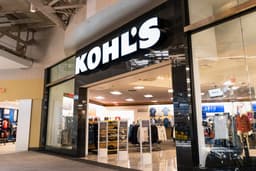
Oversold Stocks in Consumer Discretionary Sector Present Buying Opportunities

- Oversold Stock Overview: Kohls Corp's relative strength index (RSI) stands at 29.6, indicating a 17% decline over the past month and a 52-week low of $6.04, suggesting it is undervalued and may attract investor interest.
- Analyst Rating: Jefferies analyst Blake Anderson assigned a Hold rating to Kohl's on January 14, and despite the stock's decline, the rating may provide a relatively stable investment signal for investors.
- Market Performance: Kohls shares fell 3.2% to close at $17.22 on Wednesday, and with an 86.20 momentum score and a 96.75 value score, it indicates potential rebound opportunities in the market.
- Industry Dynamics: As consumer spending gradually recovers, oversold stocks like Kohls may become focal points for investors to reassess, especially in the context of economic recovery, which could yield higher returns.

Kohl's Dividend and Options Trading Analysis
- Dividend Yield Analysis: Kohl's Corp. has a recent dividend yield of 2.9%, based on historical profitability trends, indicating that the sustainability of future dividends requires careful assessment to avoid misleading investors.
- Historical Volatility Assessment: With a trailing twelve-month volatility of 95%, Kohl's high volatility suggests that investors should consider potential risks when trading options, particularly with covered calls at the $27.50 strike, which may forfeit upside beyond that price.
- Options Market Dynamics: As of Wednesday afternoon, the put volume among S&P 500 components was 858,771 contracts, while call volume reached 1.86M, resulting in a put:call ratio of 0.46, indicating a strong preference for calls, reflecting investor optimism about future price increases.
- Options Trading Strategy Advice: By combining Kohl's historical trading data with current options market dynamics, investors should weigh potential rewards against risks when considering selling covered calls at the $27.50 strike to make more informed investment decisions.
Market Dynamics of Heavily Shorted Stocks
- Attraction of Shorted Stocks: LCID stock has become a target for heavy shorting as many experienced traders and institutional investors believe the company's fundamentals are overvalued, reflecting a pessimistic outlook on its future performance.
- Short Selling Mechanics: Short sellers bet on significant risks facing the company, such as poor earnings or industry headwinds, which may lead to a decline in stock price, thus garnering attention for short-selling strategies in the market.
- Short Squeeze Dynamics: When a stock's price unexpectedly rises, short sellers are forced to buy back shares to cover their positions, creating a surge in demand that further drives up the price, resulting in a feedback loop that can lead to explosive gains in a short time frame.
- Most Shorted Stocks List: As of February 13, the most heavily shorted stocks include companies with market caps above $2 billion and free floats exceeding 5 million shares, with short interest serving as a barometer of market sentiment.
Small-Cap Stocks Surge, Outperforming Large-Caps in 2026
- Small-Cap Outperformance: Year-to-date in 2026, the iShares Core S&P Small-Cap ETF (IJR) has surged 10.9%, significantly outperforming the SPDR S&P 500 ETF Trust (SPY), which only rose 1.4%, indicating a potential shift in investor sentiment towards small-cap stocks after years of underperformance.
- Leading Stocks: Kohl's (KSS) tops the list with an 18.49% price percentage above the 200-day simple moving average (200DSMA), followed closely by Newegg Commerce (NEGG) and LGI Homes (LGIH), suggesting strong performance in the consumer discretionary sector that could drive increased investment interest in these industries.
- Divergent Ratings: Among the top performers, Revolve Group (RVLV) and Pursuit Attractions (PRSU) have received Buy ratings, while Kohl's (KSS) and G-III Apparel Group (GIII) maintain Hold ratings, reflecting varying levels of market confidence that may influence investor decisions.
- Market Dynamics: The robust performance of consumer discretionary stocks contrasts with stagnating retail sales, indicating that despite broader economic challenges, specific small-cap stocks continue to attract investor attention, potentially signaling a shift in market dynamics.
Market Analysis of Heavily Shorted Stocks
- Attraction of Shorted Stocks: Investors maintain high short interest in overvalued stocks, indicating significant perceived risks such as poor earnings or industry headwinds that could drive prices down, impacting market sentiment and investment strategies.
- Bear vs. Bull Dynamics: Short sellers meticulously identify companies they view as ticking time bombs, while retail traders see high short interest as a potential springboard for price rebounds, where rising stock prices can trigger short squeezes, affecting market liquidity.
- Understanding Short Squeeze Mechanics: A short squeeze creates a volatile feedback loop initiated by unexpected price increases, forcing short sellers to buy back shares to cover positions, which spikes demand and further elevates prices, trapping more short sellers and potentially leading to outsized returns.
- Current Market Landscape: As of February 2, the most shorted stocks include those with market caps above $2 billion and free floats exceeding 5 million shares, ranked by short interest, highlighting the market's focus on these stocks and their associated risks.
Rise of Retail Investors and Tesla's Dominance
- Rise of Retail Investors: Five years ago, the meme stock craze initiated by retail investors, particularly through the short squeeze of GameStop, became a pivotal event in modern market history, reshaping trading dynamics.
- Tesla's Market Position: In 2023, Tesla surpassed the SPDR S&P 500 ETF to become the most purchased stock by retail investors, reflecting its skyrocketing popularity among small-scale investors, having not even made the top 20 four years prior.
- Performance Comparison: Tesla's shares more than doubled in 2023, while the Nasdaq Composite only gained 43%, highlighting Tesla's robust recovery and the intense market focus on its performance.
- Influence of Retail Investors: Blackrock estimates that retail investors now account for nearly 20% of average daily flows, a significant increase from low single-digit percentages before the pandemic, underscoring their growing impact on the market.
Oversold Stocks in Consumer Discretionary Sector Present Buying Opportunities
- Oversold Stock Overview: Kohls Corp's relative strength index (RSI) stands at 29.6, indicating a 17% decline over the past month and a 52-week low of $6.04, suggesting it is undervalued and may attract investor interest.
- Analyst Rating: Jefferies analyst Blake Anderson assigned a Hold rating to Kohl's on January 14, and despite the stock's decline, the rating may provide a relatively stable investment signal for investors.
- Market Performance: Kohls shares fell 3.2% to close at $17.22 on Wednesday, and with an 86.20 momentum score and a 96.75 value score, it indicates potential rebound opportunities in the market.
- Industry Dynamics: As consumer spending gradually recovers, oversold stocks like Kohls may become focal points for investors to reassess, especially in the context of economic recovery, which could yield higher returns.
Kohl's Dividend and Options Trading Analysis
- Dividend Yield Analysis: Kohl's Corp. has a recent dividend yield of 2.9%, based on historical profitability trends, indicating that the sustainability of future dividends requires careful assessment to avoid misleading investors.
- Historical Volatility Assessment: With a trailing twelve-month volatility of 95%, Kohl's high volatility suggests that investors should consider potential risks when trading options, particularly with covered calls at the $27.50 strike, which may forfeit upside beyond that price.
- Options Market Dynamics: As of Wednesday afternoon, the put volume among S&P 500 components was 858,771 contracts, while call volume reached 1.86M, resulting in a put:call ratio of 0.46, indicating a strong preference for calls, reflecting investor optimism about future price increases.
- Options Trading Strategy Advice: By combining Kohl's historical trading data with current options market dynamics, investors should weigh potential rewards against risks when considering selling covered calls at the $27.50 strike to make more informed investment decisions.



