Bernie Sanders Criticizes Trump for Labeling Climate Change a 'Con Job,' Claims He Serves Fossil Fuel Billionaires


Bernie Sanders Critiques Trump: Sen. Bernie Sanders has condemned President Trump's dismissal of climate change, labeling it an existential threat and accusing Trump of prioritizing fossil fuel interests over environmental concerns.
Trump's Climate Change Remarks: During a speech at the United Nations General Assembly, Trump referred to climate change as "the greatest con job ever perpetrated," which surprised global leaders and highlighted his administration's opposition to renewable energy projects.
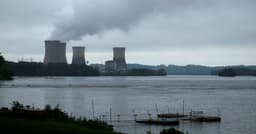
Nuclear Energy Expansion: In contrast to renewable energy, Trump is advocating for a significant increase in U.S. nuclear energy capacity, aiming to quadruple it by 2050, which has positively impacted nuclear energy stocks.
Market Reactions: The Trump administration's actions against renewable energy have led to declines in clean energy ETFs, while stocks related to nuclear energy have seen substantial gains year-to-date.
Trade with 70% Backtested Accuracy
Analyst Views on CEG

About CEG
About the author


White House Considers Cost Burden on Data Centers


- Cost Internalization for Data Centers: White House trade advisor Peter Navarro stated that data center builders must absorb costs related to electricity and water usage, highlighting the government's concern over economic pressures that could impact companies like Meta.
- Rising Electricity Prices: With electricity prices spiking 6.9% year-over-year in 2025, public anxiety about the economy is increasing, as Navarro attempts to blame former President Biden, indicating the current administration's challenges in addressing inflation.
- Policy Response Measures: The Trump administration has signed a pact with several states urging major tech companies to finance $15 billion for new power plants to alleviate the strain data centers place on the grid, demonstrating proactive government intervention in energy policy.
- Election Outlook Impact: As the November 2026 midterms approach, polls show Democrats leading by 5.2 points, reflecting voter concerns over economic issues that could affect Trump's and the Republican Party's electoral prospects.

AI Turbulence Impacts Market Performance


- Increased Market Volatility: Last week, stocks in software, real estate, financial services, and logistics faced selling pressure due to concerns over AI-related disruptions, with the Nasdaq Composite falling 0.2% and a weekly loss of 2.1%, indicating market sensitivity to AI impacts.
- Consumer Spending Data Focus: This week's highlight will be the Personal Consumption Expenditures (PCE) report on Friday, which will provide insights into consumer spending in December and inflation trends, especially following last week's unexpected slowdown in the Consumer Price Index (CPI).
- Corporate Earnings in Spotlight: Walmart (WMT) is set to release its fourth-quarter earnings on Thursday, marking the first report under new CEO John Furner, making it a key indicator of consumer spending that the market is eagerly anticipating.
- Ongoing AI Impact: As AI tools' potential effects intensify across various sectors, software stocks like Salesforce (CRM) and ServiceNow (NOW) have seen significant declines, reflecting the market's heightened vigilance regarding AI disruptions, necessitating close monitoring of future industry developments.
Nasdaq Index Declines for Fifth Consecutive Week


- Top Gainer: Datadog, Inc. (DDOG) surged 12.10% this week, primarily driven by strong earnings results, indicating its sustained growth potential in the cloud monitoring market, which may attract more investor interest.
- Telecom Sector Performance: T-Mobile US, Inc. (TMUS) rose 11.20%, reflecting market optimism regarding its user growth and revenue outlook, further solidifying its position in the competitive telecom landscape.
- Energy Stock Recovery: Constellation Energy Corporation (CEG) increased by 10.33%, benefiting from ongoing market interest in renewable energy investments, showcasing its strategic advantage in the green energy transition.
- Top Loser: Cognizant Technology Solutions Corporation (CTSH) fell 13.66% this week, reflecting market disappointment with its performance, which may lead investors to reassess its future growth prospects.
Constellation Energy Leads AI-Driven Nuclear Contracts Surge
- AI-Driven Nuclear Contracts: Constellation Energy is at the forefront of the AI-driven power boom as Big Tech secures long-term nuclear energy contracts, highlighting its pivotal role in the future energy market.
- Increased Federal Support: Growing federal support for nuclear energy is driving a surge in demand, creating a favorable market environment for Constellation Energy to capitalize on.
- Investment Opportunity Emerges: Despite a recent pullback in stock prices, this may present a compelling long-term entry point for patient investors, particularly against the backdrop of rising nuclear energy demand.
- Market Price Reference: As of February 6, 2026, Constellation Energy's stock price showed a +2.17% increase, reflecting market recognition of its future growth potential.

Emerging Opportunities in Utility Stocks
- Stability and Cash Flow: Constellation Energy, the largest producer of carbon-free electricity in the U.S., reported a net income of $930 million last year, despite a year-over-year decline; however, its adjusted operating earnings improved from $860 million to $952 million, showcasing its steady cash flow and diversified energy portfolio.
- Price Volatility and Growth Potential: Vistra exhibits higher volatility with a beta of 1.44, and although its stock has slightly declined year-to-date, it trades at a reasonable forward P/E ratio of 15.5, indicating market optimism about its growth prospects, particularly due to its long-term nuclear agreement with Meta.
- Positive Signal from Buyback Policy: Vistra has completed $5.6 billion in share repurchases since 2021 and recently authorized an additional $1 billion, which is viewed as a bullish signal for long-term investors, reflecting the company's confidence in future growth.
- Diverse Investment Choices: Investors should choose stocks based on personal goals, with Constellation Energy being ideal for those seeking stability and cash flow, while Vistra may appeal to those willing to endure volatility for additional growth potential.

Constellation Energy and Vistra: A Comparative Analysis
- Market Performance Decline: As of February 9, 2026, Constellation Energy's stock has fallen over 23%, reflecting market concerns about its profitability, although it still offers stable cash flow and a $1.55 annual dividend per share, making it attractive for income investors.
- Profitability Fluctuations: Constellation's adjusted operating earnings improved from $860 million in Q3 2024 to $952 million in 2025, despite a net income of $930 million, which decreased from the previous year, indicating that the company still needs to enhance operational efficiency to improve profitability metrics.
- Vistra's Diversification Advantage: Vistra's flexibility in the electricity market is evident in its diversified asset portfolio, including natural gas, nuclear, and renewable energy, while its long-term nuclear agreement with Meta has garnered investor interest, even though its stock has slightly declined year-to-date.
- Positive Buyback Policy: Vistra has completed $5.6 billion in share repurchases since 2021 and recently authorized another $1 billion, demonstrating confidence in future growth, although its higher volatility, with a beta of 1.44, requires investors to weigh risks against potential rewards.
White House Considers Cost Burden on Data Centers
- Cost Internalization for Data Centers: White House trade advisor Peter Navarro stated that data center builders must absorb costs related to electricity and water usage, highlighting the government's concern over economic pressures that could impact companies like Meta.
- Rising Electricity Prices: With electricity prices spiking 6.9% year-over-year in 2025, public anxiety about the economy is increasing, as Navarro attempts to blame former President Biden, indicating the current administration's challenges in addressing inflation.
- Policy Response Measures: The Trump administration has signed a pact with several states urging major tech companies to finance $15 billion for new power plants to alleviate the strain data centers place on the grid, demonstrating proactive government intervention in energy policy.
- Election Outlook Impact: As the November 2026 midterms approach, polls show Democrats leading by 5.2 points, reflecting voter concerns over economic issues that could affect Trump's and the Republican Party's electoral prospects.
AI Turbulence Impacts Market Performance
- Increased Market Volatility: Last week, stocks in software, real estate, financial services, and logistics faced selling pressure due to concerns over AI-related disruptions, with the Nasdaq Composite falling 0.2% and a weekly loss of 2.1%, indicating market sensitivity to AI impacts.
- Consumer Spending Data Focus: This week's highlight will be the Personal Consumption Expenditures (PCE) report on Friday, which will provide insights into consumer spending in December and inflation trends, especially following last week's unexpected slowdown in the Consumer Price Index (CPI).
- Corporate Earnings in Spotlight: Walmart (WMT) is set to release its fourth-quarter earnings on Thursday, marking the first report under new CEO John Furner, making it a key indicator of consumer spending that the market is eagerly anticipating.
- Ongoing AI Impact: As AI tools' potential effects intensify across various sectors, software stocks like Salesforce (CRM) and ServiceNow (NOW) have seen significant declines, reflecting the market's heightened vigilance regarding AI disruptions, necessitating close monitoring of future industry developments.
Nasdaq Index Declines for Fifth Consecutive Week
- Top Gainer: Datadog, Inc. (DDOG) surged 12.10% this week, primarily driven by strong earnings results, indicating its sustained growth potential in the cloud monitoring market, which may attract more investor interest.
- Telecom Sector Performance: T-Mobile US, Inc. (TMUS) rose 11.20%, reflecting market optimism regarding its user growth and revenue outlook, further solidifying its position in the competitive telecom landscape.
- Energy Stock Recovery: Constellation Energy Corporation (CEG) increased by 10.33%, benefiting from ongoing market interest in renewable energy investments, showcasing its strategic advantage in the green energy transition.
- Top Loser: Cognizant Technology Solutions Corporation (CTSH) fell 13.66% this week, reflecting market disappointment with its performance, which may lead investors to reassess its future growth prospects.
Constellation Energy Leads AI-Driven Nuclear Contracts Surge
- AI-Driven Nuclear Contracts: Constellation Energy is at the forefront of the AI-driven power boom as Big Tech secures long-term nuclear energy contracts, highlighting its pivotal role in the future energy market.
- Increased Federal Support: Growing federal support for nuclear energy is driving a surge in demand, creating a favorable market environment for Constellation Energy to capitalize on.
- Investment Opportunity Emerges: Despite a recent pullback in stock prices, this may present a compelling long-term entry point for patient investors, particularly against the backdrop of rising nuclear energy demand.
- Market Price Reference: As of February 6, 2026, Constellation Energy's stock price showed a +2.17% increase, reflecting market recognition of its future growth potential.
Emerging Opportunities in Utility Stocks
- Stability and Cash Flow: Constellation Energy, the largest producer of carbon-free electricity in the U.S., reported a net income of $930 million last year, despite a year-over-year decline; however, its adjusted operating earnings improved from $860 million to $952 million, showcasing its steady cash flow and diversified energy portfolio.
- Price Volatility and Growth Potential: Vistra exhibits higher volatility with a beta of 1.44, and although its stock has slightly declined year-to-date, it trades at a reasonable forward P/E ratio of 15.5, indicating market optimism about its growth prospects, particularly due to its long-term nuclear agreement with Meta.
- Positive Signal from Buyback Policy: Vistra has completed $5.6 billion in share repurchases since 2021 and recently authorized an additional $1 billion, which is viewed as a bullish signal for long-term investors, reflecting the company's confidence in future growth.
- Diverse Investment Choices: Investors should choose stocks based on personal goals, with Constellation Energy being ideal for those seeking stability and cash flow, while Vistra may appeal to those willing to endure volatility for additional growth potential.
Constellation Energy and Vistra: A Comparative Analysis
- Market Performance Decline: As of February 9, 2026, Constellation Energy's stock has fallen over 23%, reflecting market concerns about its profitability, although it still offers stable cash flow and a $1.55 annual dividend per share, making it attractive for income investors.
- Profitability Fluctuations: Constellation's adjusted operating earnings improved from $860 million in Q3 2024 to $952 million in 2025, despite a net income of $930 million, which decreased from the previous year, indicating that the company still needs to enhance operational efficiency to improve profitability metrics.
- Vistra's Diversification Advantage: Vistra's flexibility in the electricity market is evident in its diversified asset portfolio, including natural gas, nuclear, and renewable energy, while its long-term nuclear agreement with Meta has garnered investor interest, even though its stock has slightly declined year-to-date.
- Positive Buyback Policy: Vistra has completed $5.6 billion in share repurchases since 2021 and recently authorized another $1 billion, demonstrating confidence in future growth, although its higher volatility, with a beta of 1.44, requires investors to weigh risks against potential rewards.